Cleanroom Cost Estimation Basics
Cleanroom Basics
What Is a Cleanroom?
A cleanroom is an environment designed to have extremely low levels of pollutants. Think of things like dust, airborne microbes, aerosol particles, and chemical vapors. The air inside a cleanroom is constantly filtered to remove these contaminants, and the internal surfaces are built to be smooth and easy to clean.
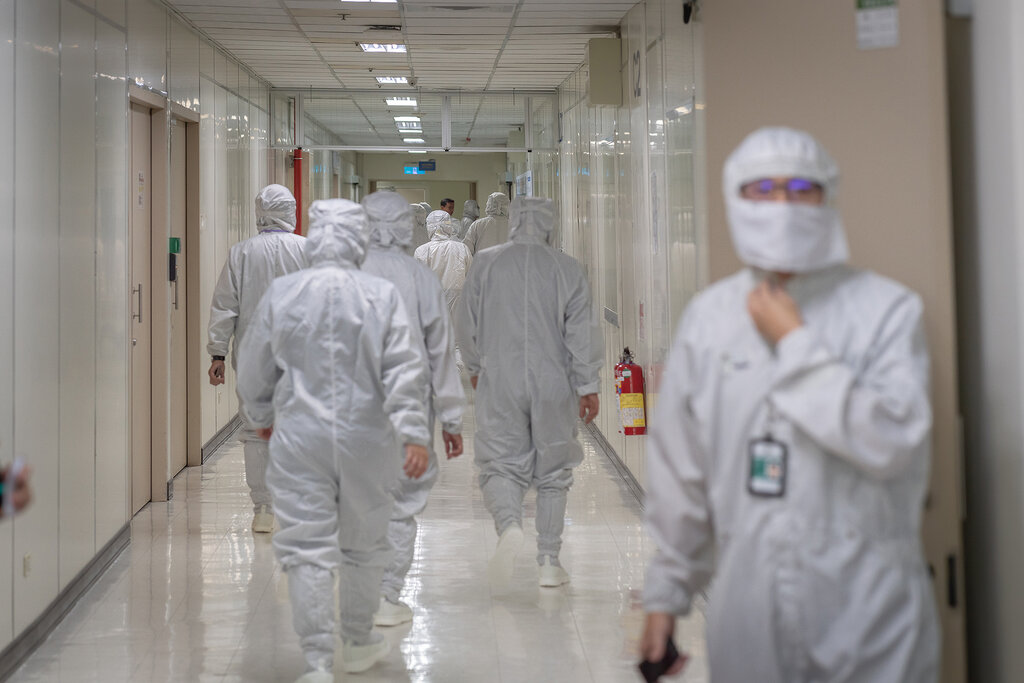
The entire point is to control the environment. Everything from the air pressure and temperature to the humidity is carefully regulated. People working inside must wear special clothing, like gowns, masks, and gloves, to avoid bringing in contaminants from the outside world.
The Enemy Is Contamination
In this context, contamination is any unwanted substance that can negatively affect a process or product. It’s not just visible dirt. A single skin cell, a fiber from your shirt, or a microscopic bacteria can be disastrous.
The number one source of contamination in a cleanroom is the people working inside it. Our bodies are constantly shedding particles. That’s why the procedures and specialized garments are so strict. The goal is to isolate the product from the person.
Even a single speck of dust, far too small for the human eye to see, can destroy a delicate microchip or compromise a batch of life-saving medicine.
Who Uses Cleanrooms?
Cleanrooms are critical for any industry where tiny particles can cause big problems. They are the hidden backbone of modern technology and medicine.
| Industry | Why a Cleanroom is Needed | Example Product |
|---|---|---|
| Electronics | To prevent defects in microscopic circuits | Microprocessors, memory chips |
| Pharmaceuticals | To ensure sterility and patient safety | Vaccines, injectable drugs |
| Aerospace | To protect sensitive components from failure | Satellites, space telescopes |
| Biotechnology | To prevent contamination of cell cultures | Gene therapy products, lab-grown tissues |
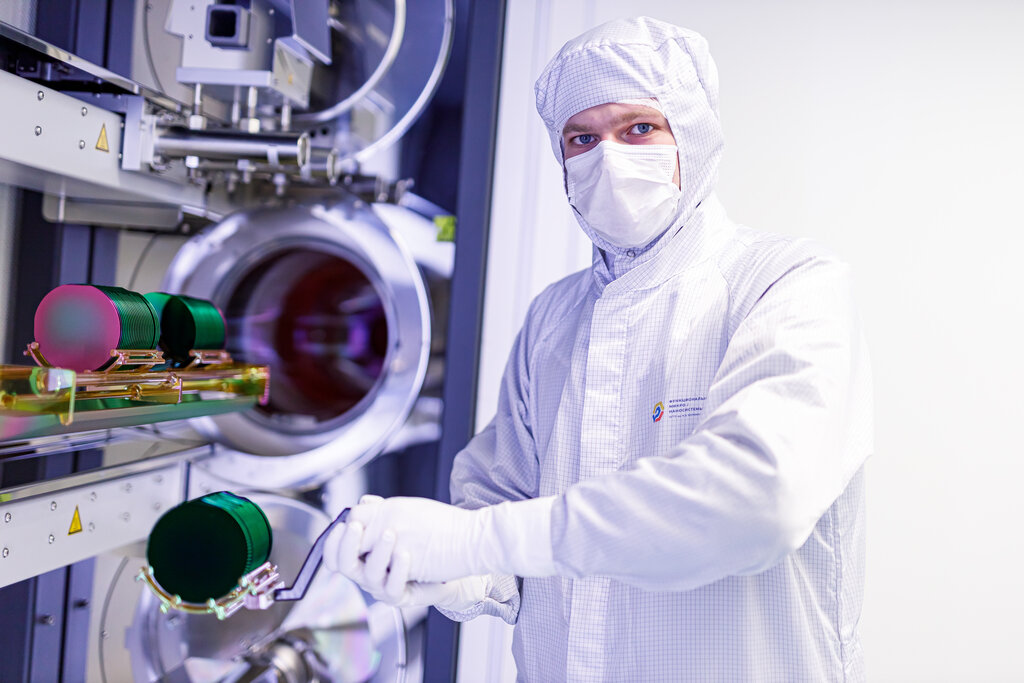
In electronics manufacturing, the circuits on a silicon wafer are incredibly small. A single dust particle can land on the wafer and block the circuit path, rendering the entire chip useless.
For pharmaceuticals and biotechnology, the stakes are even higher. A stray bacterium or fungus could contaminate a batch of vaccines, making it ineffective or even dangerous. All injectable drugs and medical implants must be manufactured in sterile conditions to protect patient health.
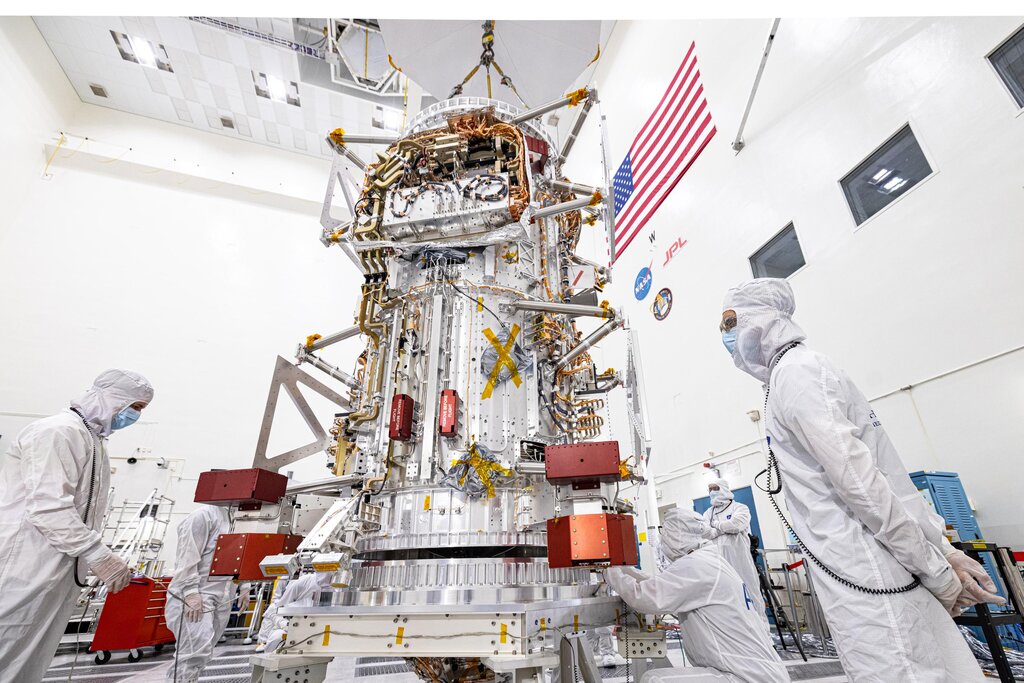
Even in aerospace, sensitive optical equipment for satellites or telescopes can be ruined by a single particle on a lens or mirror. By building and assembling these components in a cleanroom, engineers ensure they will function correctly once they reach space.
Now that you understand the what and why, we can start to explore how these essential environments are designed and operated.
Let's check your understanding of these core concepts.
What is the primary purpose of a cleanroom?
According to the text, what is the number one source of contamination in a cleanroom?
Understanding these fundamentals is the first step toward appreciating the complex design and meticulous procedures that keep these environments pristine.