Clay Sculpting Essentials
Clay Types
Choosing Your Clay
Clay isn't just mud. It's a versatile material with a long history, but not all clays are created equal. The type you choose will define what you can make, how you work, and what your finished piece will look like. Broadly, clays fall into two camps: earth clays that are dug from the ground and hardened permanently in a hot kiln, and modeling clays that are manufactured and either don't harden or bake at low temperatures.
Earth Clays
These are the traditional clays used in ceramics for millennia. They are essentially special kinds of dirt, rich in minerals, that become plastic when wet. Once shaped and dried, they are fired in a kiln, a process that transforms them into a hard, permanent material.
Plasticity
noun
The quality of clay that allows it to be deformed and molded without cracking, and to retain its new shape.
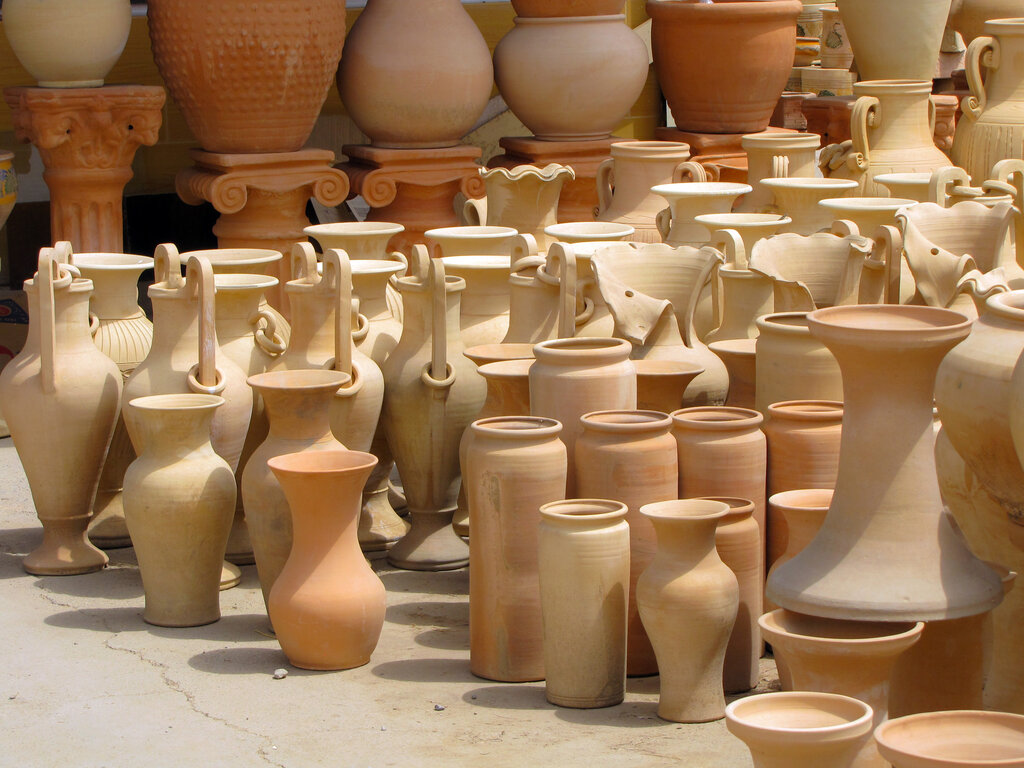
Earthenware is one of the earliest clays used by humans. It's typically porous and fires at a relatively low temperature, between 1700-2100°F (925-1150°C). Because it doesn't fully vitrify, or become glass-like, it will absorb water unless glazed. You'll recognize it by its common reddish-brown color, which comes from iron impurities. It’s relatively easy to work with, making it a popular choice for pottery, decorative tiles, and simple sculptures.
Stoneware is a tougher, more durable clay. It’s fired at higher temperatures, from 2100-2370°F (1150-1300°C), making it dense, non-porous, and strong enough to stand up to daily use. Think of your favorite coffee mug or dinner plate—it’s likely made from stoneware. It's less prone to chipping than earthenware and comes in a variety of colors, from light gray to dark brown. Its strength makes it ideal for functional items like bakeware and kitchenware.
Stoneware is the workhorse of the clay world, valued for its durability and versatility.
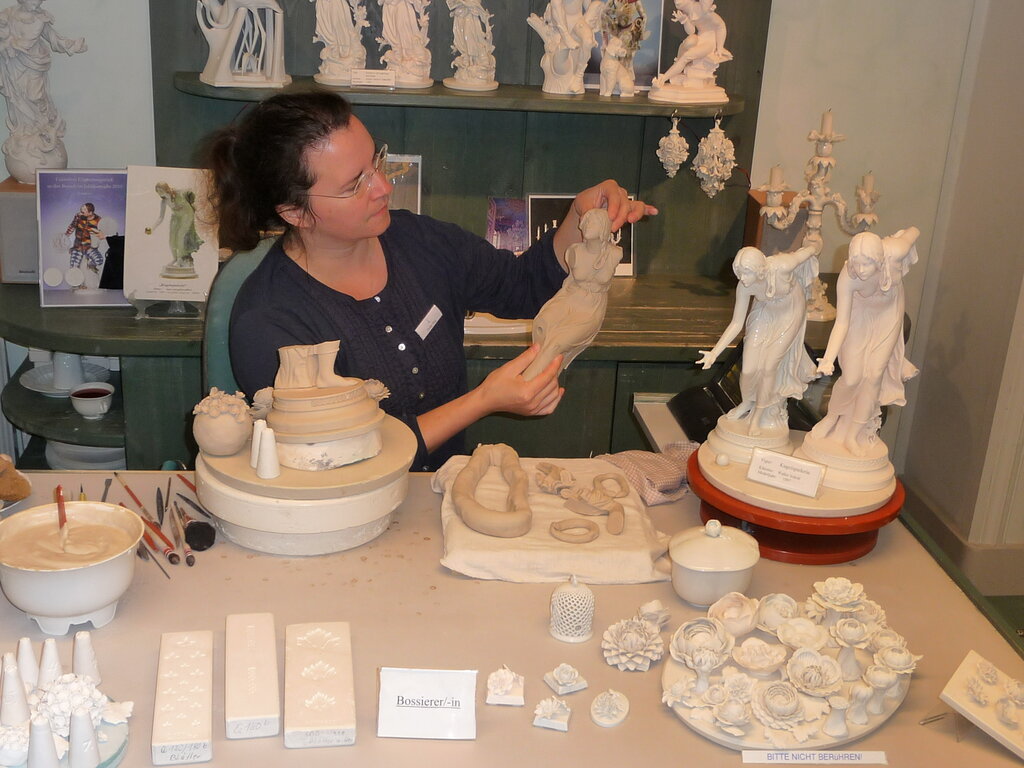
Porcelain is the most refined of the earth clays. Fired at the highest temperatures—up to 2550°F (1400°C)—it becomes extremely hard, dense, and often translucent. It has a very fine, smooth texture, which allows for incredible detail. However, this refinement comes at a price. Porcelain is less plastic than other clays, making it more challenging to work with. It's prone to cracking as it dries and can warp in the kiln. For artists who master it, the results are worth the effort, producing delicate, glass-like pieces.
Modeling Clays
For sculptors who don't have access to a kiln, modeling clays offer a great alternative. These materials are manufactured and don't require high-temperature firing.
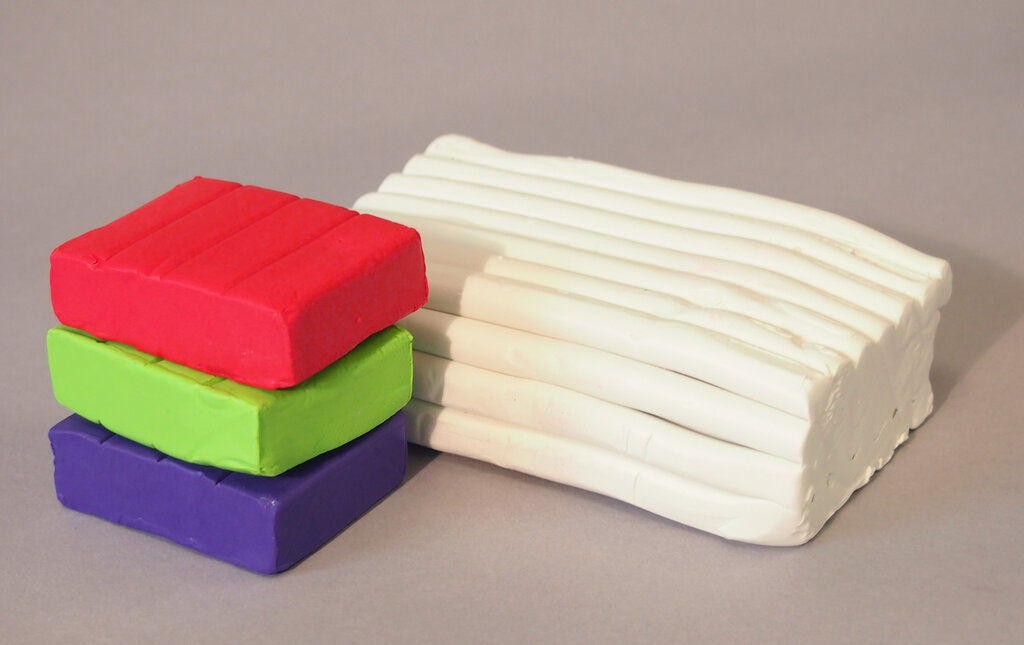
Polymer clay is a sculptable material used by artists, hobbyists and children that can be baked and hardened permanently.
Polymer clay is a PVC-based medium that stays soft and workable until it's baked in a standard home oven at a low temperature, usually around 275°F (130°C). It comes in a huge range of colors and can be mixed to create even more. Once baked, it's hard and durable. Its accessibility and ease of use make it extremely popular for crafting jewelry, small figurines, and detailed decorations.
Oil-based clays never dry out. They are made from a mixture of oils, waxes, and clay minerals. This means you can leave a sculpture unfinished for days or weeks and come back to find it just as soft as you left it. This property makes it the go-to material for animators (in claymation), sculptors creating prototypes, and artists who want to work on a piece over a long period. Since it never hardens, it can't be used for permanent pieces unless a mold is made from the sculpture and it is cast in another material.
The key benefit of oil-based clay is its reusability. It never hardens, so you can work and rework your sculpture indefinitely.
| Clay Type | Firing/Curing | Key Property | Common Uses |
|---|---|---|---|
| Earthenware | Low-Fire (Kiln) | Porous, easy to work | Pottery, tiles |
| Stoneware | High-Fire (Kiln) | Durable, non-porous | Dinnerware, bakeware |
| Porcelain | Very High-Fire (Kiln) | Translucent, strong | Fine china, delicate art |
| Polymer Clay | Low-Bake (Oven) | Colorful, accessible | Jewelry, crafts, figurines |
| Oil-Based Clay | Does not harden | Reusable, never dries | Prototyping, animation |
Let's check your understanding of these different clay types.
An artist is creating a detailed model for a movie's special effects and needs a clay that will remain pliable for several weeks. Which type of clay should they choose?
What is the primary reason an artist might choose stoneware over porcelain for a set of everyday dinner plates?