Claude AI and Database Interaction
Introduction to Claude
What Are Large Language Models?
A large language model, or LLM, is a type of artificial intelligence trained on a massive amount of text and code. Think of it as a complex pattern-recognition machine for language. It learns the relationships between words, sentences, and ideas, allowing it to understand and generate human-like text.
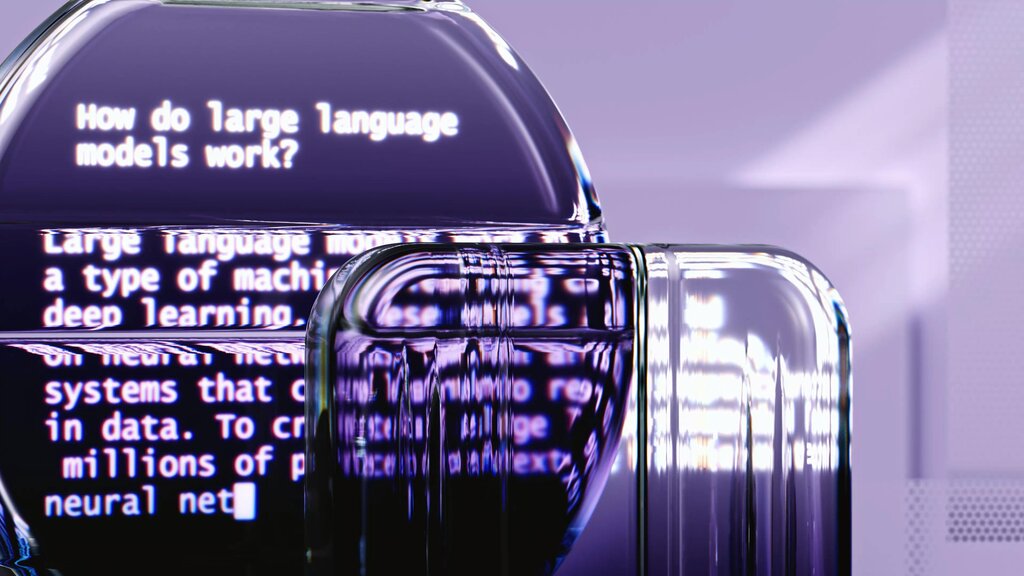
Unlike a simple search engine that finds existing information, an LLM creates new content. It can summarize articles, write emails, translate languages, and even generate computer code. This ability comes from its underlying architecture, often a neural network with billions of parameters, which are like knobs the model tunes during training to capture the nuances of language.
parameter
noun
In machine learning, a parameter is a variable that the model uses to make predictions. During training, the model adjusts its parameters to improve its performance.
This training process is what allows an LLM to go beyond simple text prediction and engage in complex reasoning, creative writing, and problem-solving.
Meet Claude
Claude is a family of LLMs created by the AI research company Anthropic. While it shares many capabilities with other LLMs, Anthropic's design philosophy sets it apart. The primary goal for Claude is to be helpful, harmless, and honest.
Claude is built with Constitutional AI principles, ensuring ethical guidelines are embedded directly into the AI’s design.
This emphasis on safety is a core part of Claude's architecture. It's not just about what the model can do, but also about what it shouldn't do. This is achieved through a unique training method called Constitutional AI.
How Claude Learns
Claude learns through a multi-stage process. First, like other LLMs, it undergoes pre-training on a vast dataset of public text and code. This teaches it grammar, facts, reasoning abilities, and coding skills.
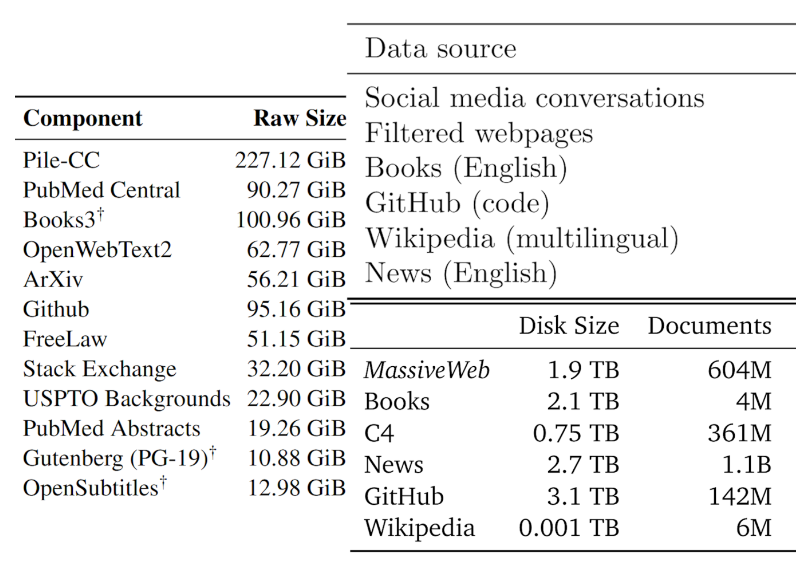
After this initial phase, Anthropic applies its Constitutional AI approach. Instead of relying solely on human feedback to steer the model away from harmful responses, the model is given a
The core idea is to train the AI to follow a set of principles, much like a country's constitution. This 'constitution' includes rules that promote helpfulness and discourage harmful or unethical outputs. The AI learns to critique and revise its own responses based on these principles.
This process is supplemented with Reinforcement Learning from Human Feedback (RLHF), where human reviewers rate the AI's responses. This combined approach helps fine-tune Claude's ability to be a safe and useful assistant.
Claude in Action
Claude's unique training makes it useful for a wide range of tasks. It excels at nuanced conversation, detailed content creation, and complex reasoning. Because of its large context window—the amount of information it can consider at once—it's particularly good at working with long documents.
| Capability | Description | Example Use Case |
|---|---|---|
| Summarization | Condenses long documents, articles, or conversations into key points. | Getting the highlights of a lengthy business report. |
| Question Answering | Provides detailed answers based on the context you provide. | Asking specific questions about a legal contract you've uploaded. |
| Content Creation | Writes emails, reports, articles, and creative pieces. | Drafting a marketing email for a new product launch. |
| Code Generation | Writes, explains, and debugs code in various programming languages. | Creating a Python script to automate a repetitive task. |
These capabilities make Claude a versatile tool for professionals, students, and developers. It can act as a brainstorming partner, a writing assistant, or a programming guide, always guided by its underlying principles of safety and helpfulness.
What is the primary design philosophy behind Anthropic's Claude models?
How does a large language model (LLM) fundamentally differ from a traditional search engine?
Claude represents a step forward in creating AI that is not only powerful but also responsible.