Claude Agents SDK for AI Development
Introduction to AI Agents
What Are AI Agents?
You've probably used chatbots or asked a voice assistant for the weather. AI agents are the next step. Think of an AI agent not as something you just talk to, but as something that does things for you.
An AI agent is a program that can sense its environment, make decisions, and take actions to achieve a specific goal on its own.
Imagine you hire a personal assistant. You wouldn't just ask them questions; you'd give them tasks. "Please book a flight to San Francisco for next Tuesday, find a hotel near the conference center, and add it all to my calendar." The assistant would then go and perform those actions. That's what an AI agent does in the digital world.
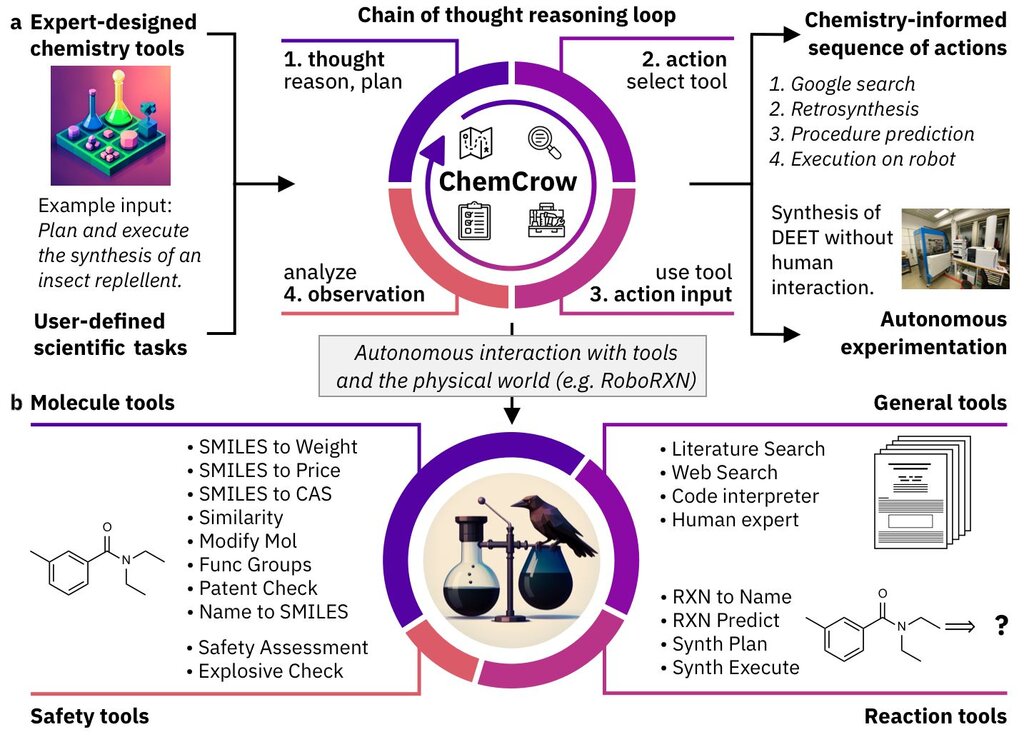
This ability to act autonomously is what sets them apart. They operate on a continuous loop: they perceive new information, decide what to do next, and then act on that decision.
Agents in Action
This might sound futuristic, but AI agents are already being used in many different industries. They're working behind the scenes to make processes smoother and more intelligent. Their ability to handle multi-step tasks makes them incredibly versatile.
| Industry | Application of AI Agent |
|---|---|
| Customer Support | An agent that doesn't just answer a question, but processes a product return, issues a refund, and orders a replacement item in one seamless interaction. |
| E-commerce | A shopping agent that tracks your packages, automatically files a claim if one is lost, and finds coupons for items in your cart. |
| Travel | An agent that books an entire vacation based on your preferences, including flights, hotels, and dinner reservations, then adjusts the itinerary if a flight is delayed. |
| Healthcare | A scheduling agent that coordinates appointments between patients and multiple specialists, taking into account insurance coverage and doctor availability. |
In each case, the agent isn't just a passive tool. It's an active participant, taking initiative and completing tasks from start to finish.
The Benefits of Automation
The primary goal of using AI agents is to automate complex processes and make better decisions. By handing off tasks to an autonomous agent, businesses and individuals can see several key benefits.
First is efficiency. Agents can execute repetitive, multi-step tasks far faster than a human could, and they can work 24/7 without getting tired. This frees people up to focus on more creative, strategic, and uniquely human work.
Agents don't just perform tasks; they orchestrate them. They can analyze data, make a judgment, and then act on it, creating a more intelligent and responsive system.
They also enable powerful personalization. An AI agent can learn your preferences over time to provide tailored recommendations, custom-plan a trip, or act as a shopping assistant that truly understands your style. This leads to better experiences and more effective outcomes.
Finally, agents are proactive. A traditional program waits for a command. An agent can anticipate needs. For example, an agent monitoring a company's supply chain could notice a potential delay from a supplier and automatically find an alternative before a problem even occurs. This shift from reactive to proactive work is one of the most powerful aspects of AI agents.
What is the primary characteristic that distinguishes an AI agent from a simpler program like a standard chatbot?
An AI agent operates on a continuous loop. What are the three core stages of this loop?
By understanding these core concepts, you're ready to explore how these powerful tools are built and deployed to create smarter applications.