Classical Mythology Essentials
Introduction to Classical Mythology
More Than Just Old Stories
What is a myth? The word often brings to mind epic battles, strange creatures, and powerful gods. But mythology is more than a collection of ancient tales. For the Greeks and Romans, myths were a fundamental way of understanding the world. They were a combination of science, religion, and history, all woven together into stories.
These narratives explained everything from the rising of the sun to the changing of the seasons. They provided answers to the big questions: Where did we come from? Why are we here? How should we live? Myths served as a guide for morality, a record of cultural values, and a way to create a shared identity.
Think of mythology as the operating system for a society. It's the underlying code that shapes how people see their world and their place in it.
Greek Roots, Roman Branches
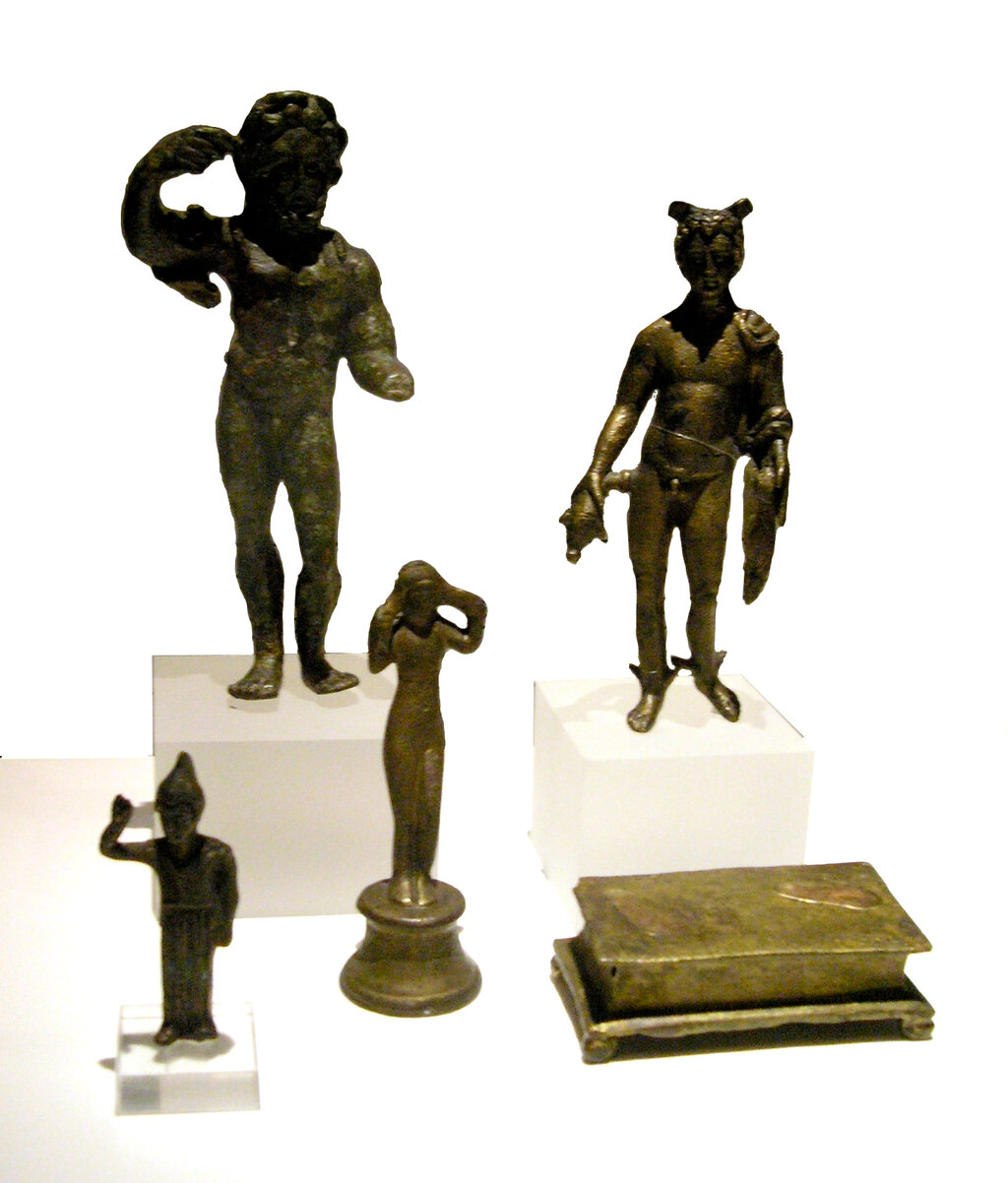
When we talk about Classical Mythology, we're generally referring to the stories of two interconnected cultures: ancient Greece and ancient Rome. The Romans were deeply influenced by Greek culture, and that included their myths. They adopted most of the Greek gods, heroes, and legends, but often gave them Roman names and slightly different characteristics.
Zeus, the Greek king of the gods, became Jupiter in Rome. The Greek goddess of love, Aphrodite, was known to the Romans as Venus. This pattern continues for most of the major figures. Understanding this connection is key to navigating the world of classical myths, as you'll often see both names used interchangeably.
| Greek Name | Roman Name | Domain |
|---|---|---|
| Zeus | Jupiter | King of the Gods, Sky |
| Hera | Juno | Queen of the Gods, Marriage |
| Poseidon | Neptune | God of the Sea |
| Hades | Pluto | God of the Underworld |
| Ares | Mars | God of War |
| Aphrodite | Venus | Goddess of Love |
| Apollo | Apollo | God of Music, Arts, Sun |
| Artemis | Diana | Goddess of the Hunt, Moon |
| Athena | Minerva | Goddess of Wisdom, Warfare |
| Hermes | Mercury | Messenger of the Gods |
How We Know These Tales
These stories have survived for thousands of years because they were written down by poets and historians. They weren't just campfire tales; they were high art. The most important sources give us a window into how the ancients thought about their gods and heroes.
Homer, an epic poet from ancient Greece, gave us the Iliad and the Odyssey. These poems tell the story of the Trojan War and the long journey home for one of its heroes, Odysseus. They show the gods as active, often meddling, participants in human affairs.
Another early poet, Hesiod, wrote the Theogony, which is essentially a family tree of the gods. It explains their origins, relationships, and rise to power. Much later, the Roman poet Ovid wrote the Metamorphoses, a massive collection of myths, all tied together by the common theme of transformation.
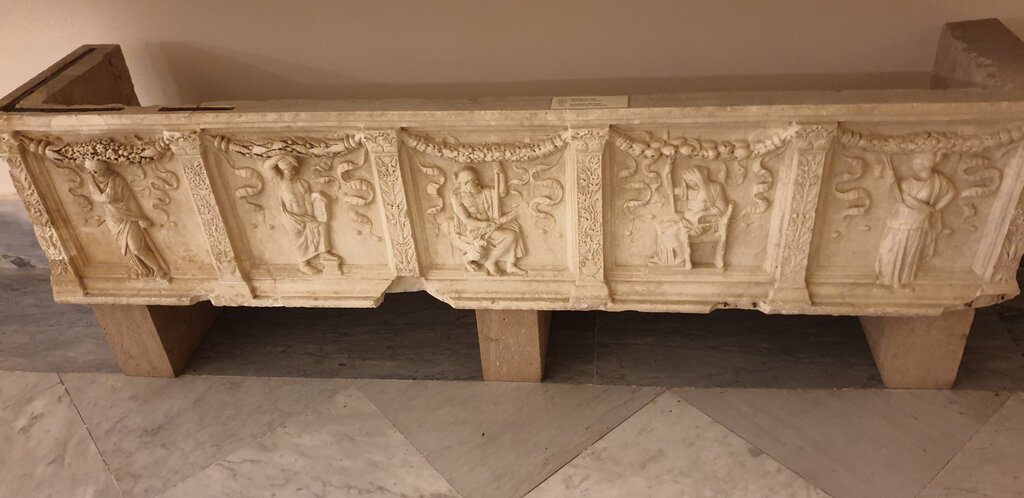
Beyond these epic poems, myths were also preserved in plays by authors like Aeschylus, Sophocles, and Euripides. These playwrights used myths to explore complex human emotions and moral dilemmas, making them relatable to their audiences.
The Purpose of Myth
Myths were not just for entertainment. They served critical functions in society.
First, they were an early form of science. A story about the sun god Apollo driving his chariot across the sky was a way to explain the sun's daily journey. The myth of Demeter and Persephone explained the existence of seasons. These stories gave order and meaning to natural phenomena that were otherwise mysterious and frightening.
Second, myths were a moral compass. The stories of heroes and villains taught valuable lessons. They warned against arrogance and celebrated virtues like courage, cleverness, and piety. A central theme was the danger of hubris, or excessive pride, which often led to a character's downfall at the hands of the gods.
hubris
noun
Excessive pride or self-confidence, often leading to a defiance of the gods and resulting in punishment.
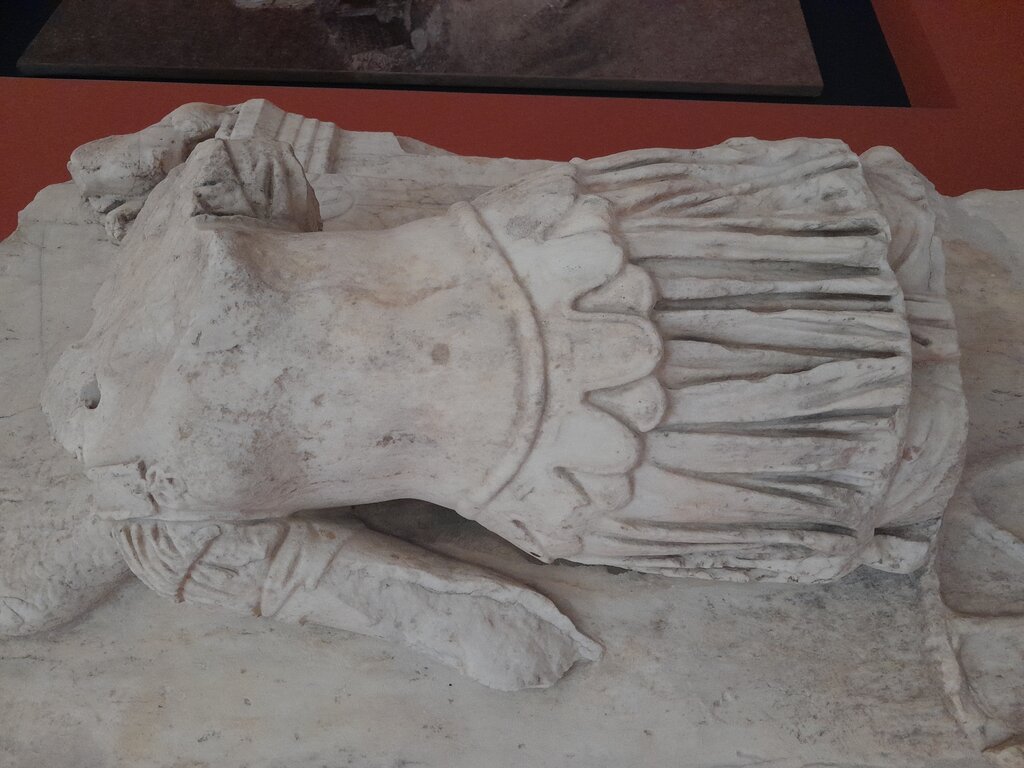
Finally, myths helped forge a collective identity. Stories about the founding of cities, like Romulus and Remus founding Rome, gave people a shared history and sense of purpose. They connected the people to their ancestors, their gods, and their land, reinforcing social structures and justifying political power.
Now, let's test your understanding of these foundational concepts.
For ancient Greeks and Romans, what was the primary function of myths?
The Romans adopted many Greek gods and myths, but often gave them Roman names. The Greek king of the gods, Zeus, was known to the Romans as __________.
These core ideas—the definition of myth, the Greek and Roman connection, the ancient sources, and the functions of these stories—provide the foundation for exploring the rich and fascinating world of Classical Mythology.