Class 8 Science Final Review
Agricultural Systems
Cropping Patterns: Timing is Everything
Choosing the right crop isn't just about what you want to grow; it's about when you can grow it. In India, agricultural seasons are dictated by the monsoons, dividing the year into two main cropping patterns: Kharif and Rabi.
Kharif crops are sown at the beginning of the rainy season, typically from June to July, and harvested in September-October. These are water-loving plants that thrive in the wet, humid conditions of the monsoon. Think of paddy (rice), maize, soybean, and cotton. They need significant amounts of water to grow, which the monsoon provides naturally.
Rabi crops, on the other hand, are the winter crops. Sown around October-November after the monsoon has retreated, they grow through the cooler, drier months and are harvested in the spring (March-April). Wheat, gram, peas, mustard, and barley are classic Rabi crops. They require less water than their Kharif counterparts and can thrive in the lower temperatures of winter.
| Feature | Kharif Crops | Rabi Crops |
|---|---|---|
| Sowing Season | June-July (Start of Monsoon) | October-November (Winter) |
| Harvest Season | September-October | March-April (Spring) |
| Water Needs | High | Moderate to Low |
| Climate | Hot and Wet | Cool and Dry |
| Examples | Rice, Maize, Cotton | Wheat, Peas, Mustard |
Feeding the Soil: Manure vs. Fertilizers
Once a crop is chosen, the soil must be prepared to nourish it. While both manure and fertilizers add nutrients, they work very differently and have distinct long-term consequences for soil health.
Fertilizers are synthetic, factory-made chemicals designed to deliver specific nutrients. They are rich in nitrogen (N), phosphorus (P), and potassium (K), which are essential for plant growth. Because they are concentrated and water-soluble, they provide a quick boost to plants. However, their overuse can be damaging. It can make the soil less fertile over time by killing beneficial microorganisms and altering its pH. Excess fertilizer can also run off into nearby water bodies, causing —a process that depletes oxygen and harms aquatic life.
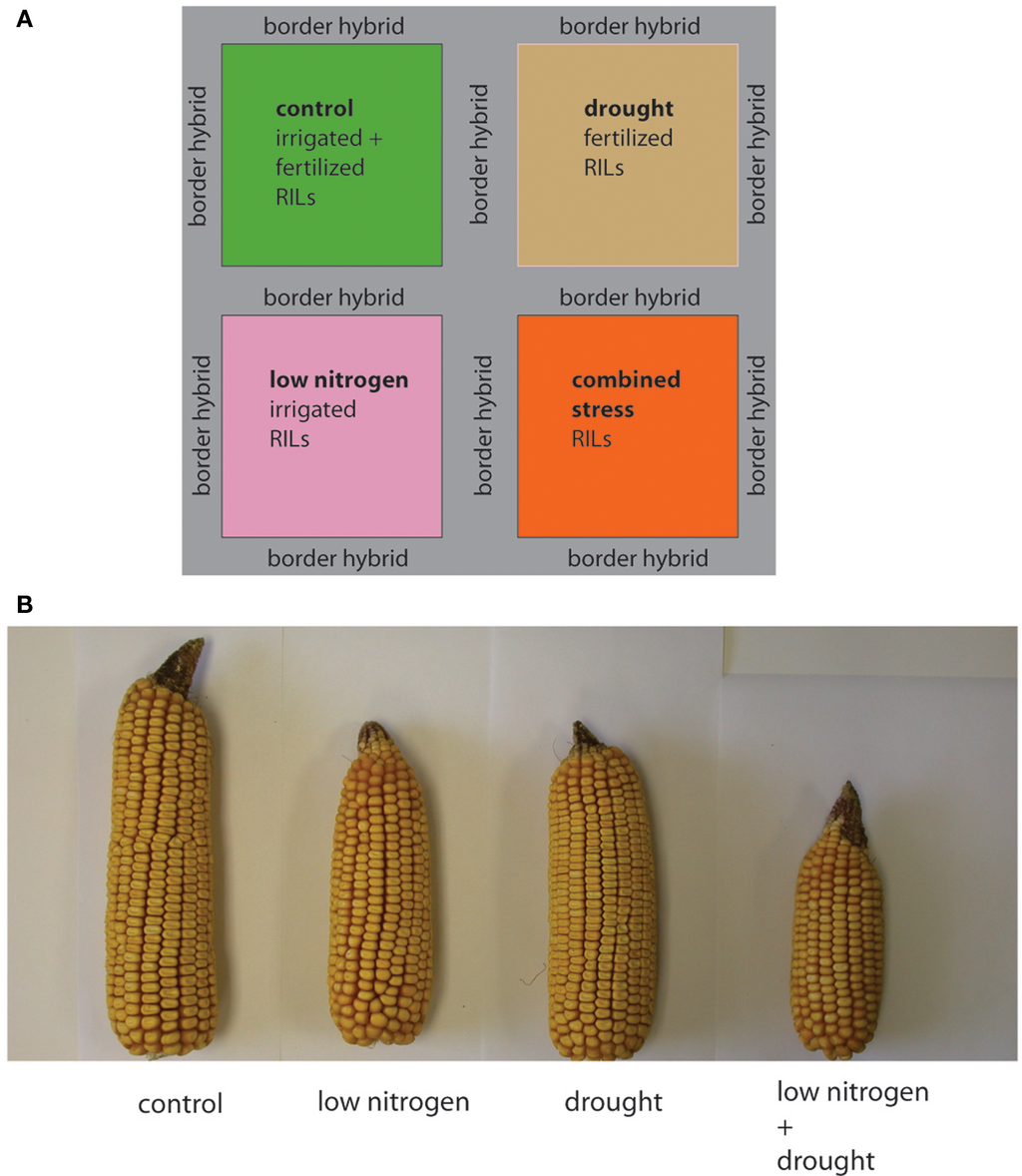
Manure, in contrast, is organic matter made from decomposed animal waste and plant residue. It releases nutrients slowly and adds valuable humus to the soil. Humus improves soil structure, increases its ability to hold water, and provides food for earthworms and microbes. While not as nutrient-dense as fertilizers, manure builds healthy, resilient soil for the long term. The main trade-offs are that it's bulkier to transport and its nutrient composition is less precise.
Smart Watering Techniques
Water is a precious resource, and traditional irrigation methods like flooding fields can be wasteful. Modern techniques focus on delivering water exactly where it's needed, drastically improving efficiency.
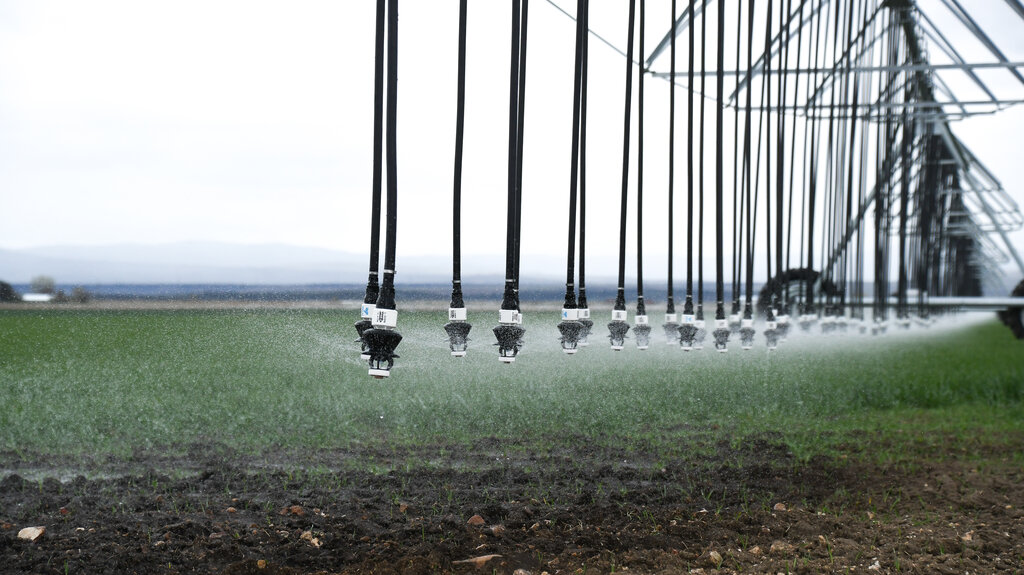
Sprinkler System: This method is like artificial rain. Water is pumped through pipes and sprayed into the air from rotating nozzles. It's useful for sandy soil and uneven land where level irrigation isn't possible. While more efficient than flooding, some water is lost to evaporation before it even hits the ground.
Drip System: This is the most efficient method. A network of pipes with small holes called emitters delivers water slowly, drop by drop, directly to the base of each plant. This minimizes evaporation and ensures water goes straight to the roots. It's a game-changer in regions with severe water scarcity.
The Nitrogen Cycle and Crop Rotation
Nitrogen is a critical nutrient for plants, but most of the nitrogen on Earth exists as gas () in the atmosphere, which plants cannot use. The nitrogen cycle is the process that converts this atmospheric nitrogen into a usable form.
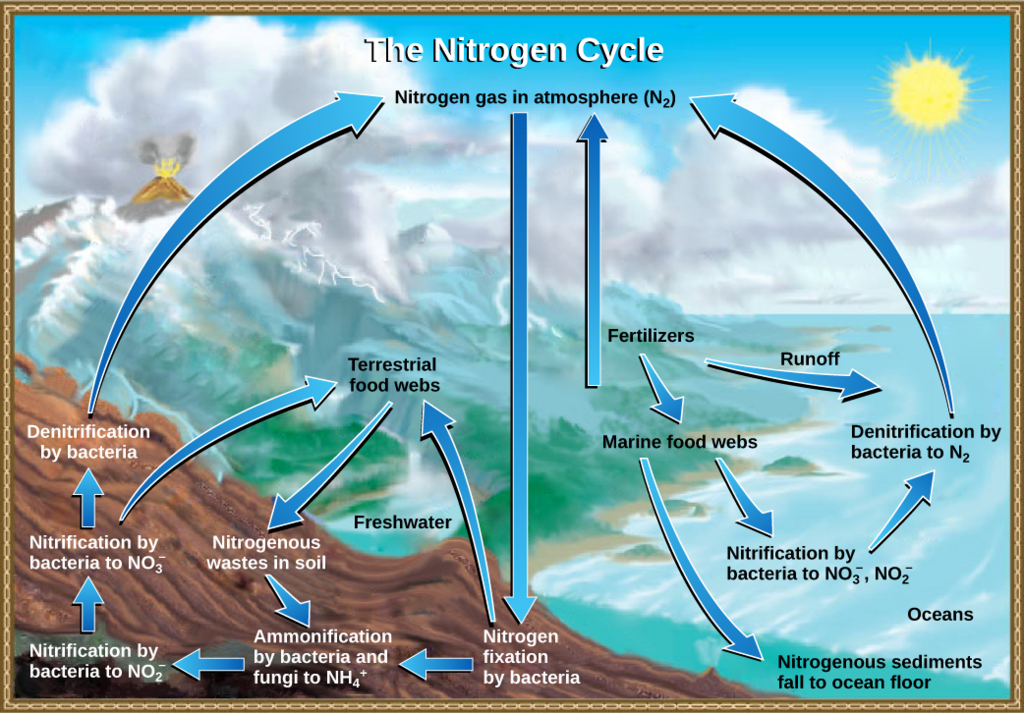
A key part of this cycle is biological nitrogen fixation. Certain bacteria, most notably , have a remarkable ability to convert gas into ammonia (), a form of nitrogen that plants can absorb. These bacteria live in a symbiotic relationship in the root nodules of leguminous plants like peas, beans, and lentils.
Farmers cleverly exploit this process through crop rotation. Instead of growing the same crop year after year, which depletes specific nutrients, they alternate crops. For example, a farmer might plant wheat (a heavy nitrogen user) one year, and then plant peas (a legume) the next. The peas, with their Rhizobium partners, replenish the soil's nitrogen content naturally, reducing the need for chemical fertilizers and improving soil health for the next crop cycle.
Which of the following crops is sown after the monsoon has retreated and harvested in the spring, making it a classic Rabi crop?
A farmer in a region with severe water scarcity and uneven land wants to use the most efficient irrigation method possible. Which system should they choose?