Class 11 History Essentials
Early Human Societies
The Long Stone Age
For most of human history, our ancestors lived as hunter-gatherers. This vast stretch of time is called the Paleolithic, or Old Stone Age. It began over 2.5 million years ago and ended only around 10,000 BCE. Life was nomadic. Small bands of people, likely extended families, moved from place to place, following animal herds and the cycle of plant growth. Their survival depended entirely on what the environment provided.
These early humans were resourceful. They developed sophisticated stone tools for hunting, butchering meat, and processing plants. Social structures were likely simple and relatively egalitarian. Everyone had a role to play in the group's survival, whether it was hunting large game, gathering edible plants, or caring for children. Cooperation was not just a nice idea—it was essential.
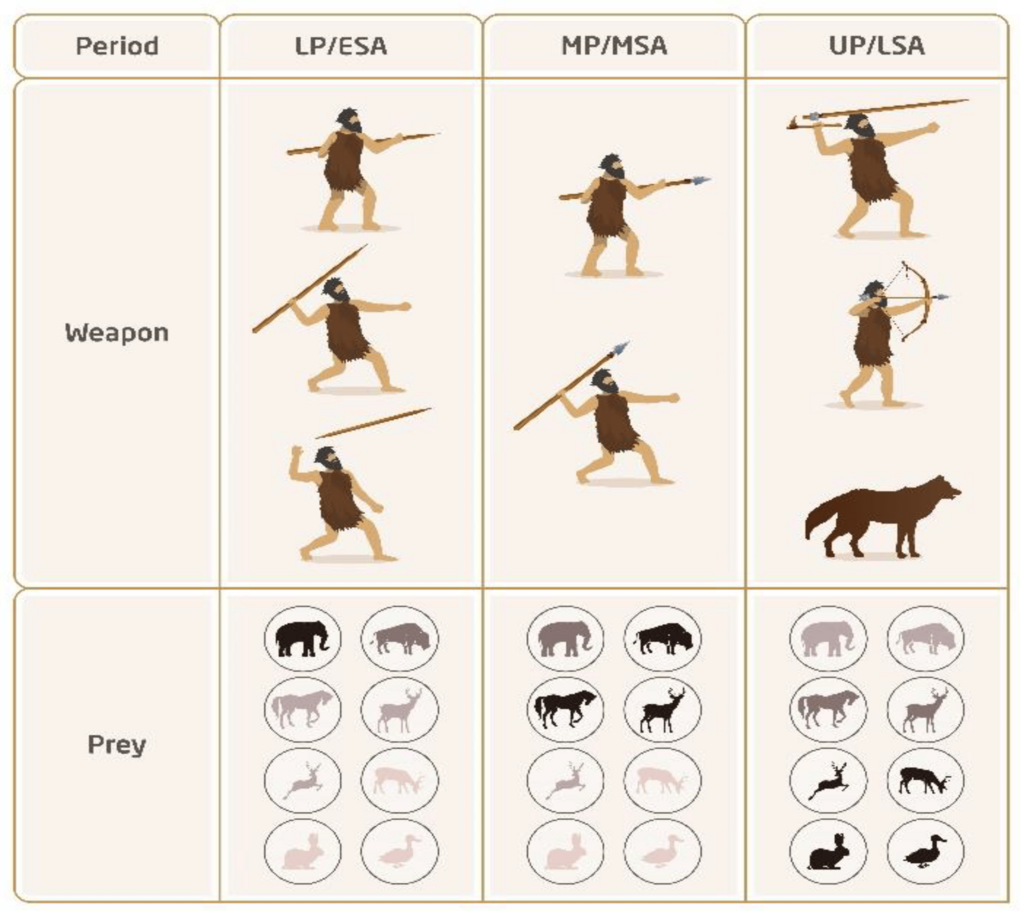
Their world was one of constant movement, dictated by the seasons and the availability of food. They didn't build permanent homes, instead using caves or temporary shelters made from branches and animal hides. This way of life persisted for millennia, shaping human biology and social behavior in profound ways.
A Revolutionary Shift
Around 10,000 BCE, something began to change. In different parts of the world, independently of one another, people started to manipulate their environment in a new way. This shift marked the beginning of the Neolithic period, or New Stone Age. It wasn't a sudden event, but a slow, gradual process known as the Agricultural Revolution.
Beginning about 10,000 years ago, the Neolithic Revolution led to the development of new and more complex economic and social systems.
Instead of just gathering wild grains, people learned to save seeds and plant them intentionally. They discovered that certain animals could be tamed and bred. This process is called domestication. Wheat and barley were among the first crops cultivated in the Fertile Crescent, while rice was domesticated in Asia and corn in the Americas. At the same time, animals like goats, sheep, pigs, and cattle were brought under human control.
Domestication created a more reliable and abundant food source. For the first time, humans could produce more food than they needed to eat immediately, creating a surplus. This was a game-changer.
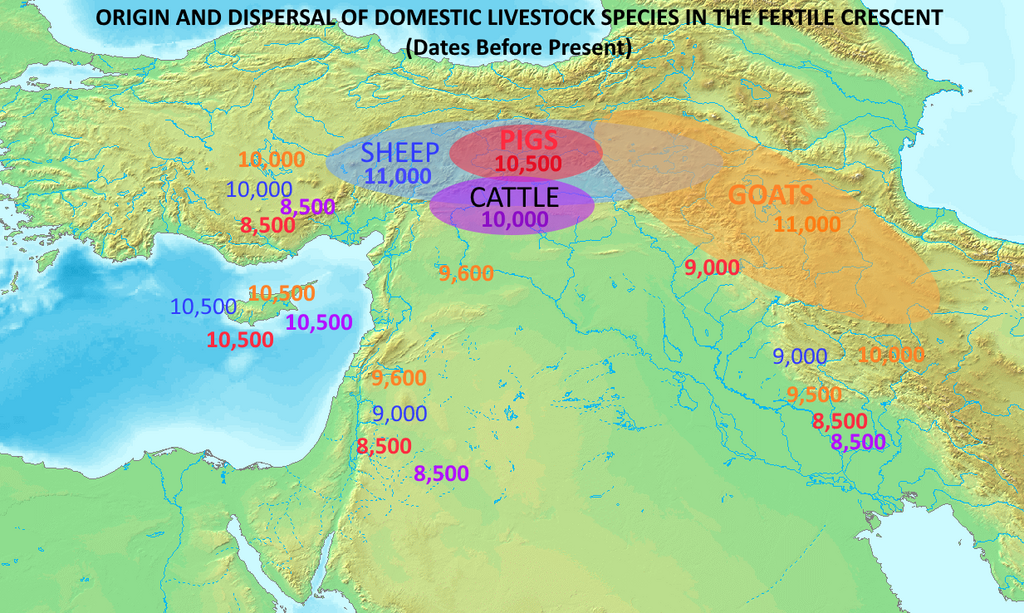
Putting Down Roots
Farming requires staying in one place. You can't plant a field of wheat and then wander off for a year. This need led to one of the most significant changes in human history: the establishment of permanent settlements.
Villages and then towns began to appear. People built more durable homes from mud brick, stone, and wood. Living in one place allowed for the accumulation of possessions in a way that was impossible for nomadic hunter-gatherers. It also led to a population boom. A stable food supply could support more people, and families grew larger.
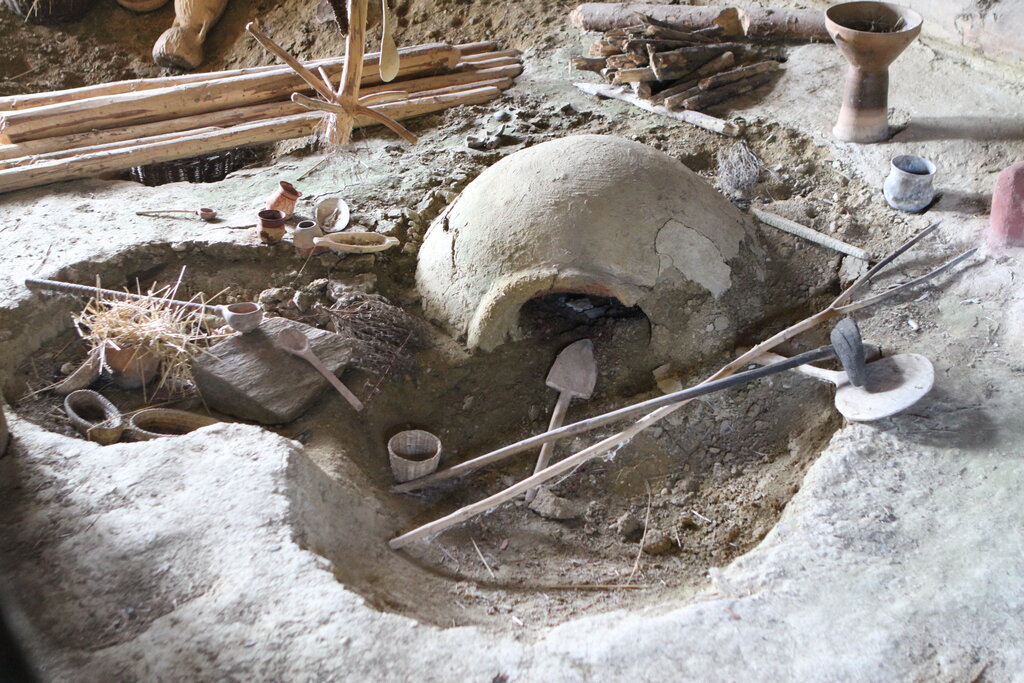
This new, settled lifestyle created a different set of social dynamics. People had neighbors. They had to manage resources like land and water, and disputes inevitably arose. New rules and ways of organizing community life were needed to keep things running smoothly.
The Dawn of Civilization
With a surplus of food, not everyone had to be a farmer. This opened the door for specialization. Some people could become potters, weavers, toolmakers, or builders. Others might take on roles as priests or leaders. This division of labor was the beginning of complex social structures.
A social hierarchy started to form. Unlike the relatively equal hunter-gatherer bands, settled societies began to see differences in wealth and status. Some individuals or families might control more land, store more grain, or hold positions of authority. This stratification organized society but also created inequality.
These increasingly organized and populous settlements were the seeds of the world's first civilizations. The ability to produce surplus food, the establishment of permanent villages, and the development of complex social hierarchies laid the groundwork for the rise of cities, writing, and large-scale governments that would emerge in places like Mesopotamia and Egypt.
Ready to test your knowledge?
What is the primary characteristic that defines the Paleolithic era?
The development of agriculture directly led to the establishment of permanent settlements.
The long journey from small, nomadic bands of hunter-gatherers to large, complex agricultural societies was one of the most important transformations in history. It fundamentally changed how humans lived, worked, and interacted with one another, setting the stage for the world we know today.