Civil Procedure Code of India 1908 Explained
Introduction to Civil Procedure Code
The Rulebook for Civil Justice
When two people have a dispute over property, a contract, or a personal right, they don't just show up in court and start arguing. There's a formal process to follow, a roadmap that guides every step from filing a case to enforcing a judge's decision. In India, this roadmap is the Code of Civil Procedure, 1908, often called the CPC.
The CPC is the machinery that makes the wheels of civil justice turn. It's not about what your rights are, but how you enforce them.
Think of it like the rules of a complex board game. Without a clear set of instructions, the game would be chaotic. Players wouldn't know when it's their turn, how to move their pieces, or how to win. The CPC provides these rules for civil litigation, ensuring that every case is handled in a fair, orderly, and predictable manner. It standardizes the procedure for all civil courts across the country.
litigation
noun
The process of taking legal action in a court of law.
Why We Need a Code
Before the CPC was consolidated in 1908, the legal landscape was fragmented. Different regions followed different procedures, leading to confusion and inconsistency. Imagine filing a case in one city and finding the rules completely change in a neighboring one. This lack of uniformity was a major hurdle to delivering fair justice.
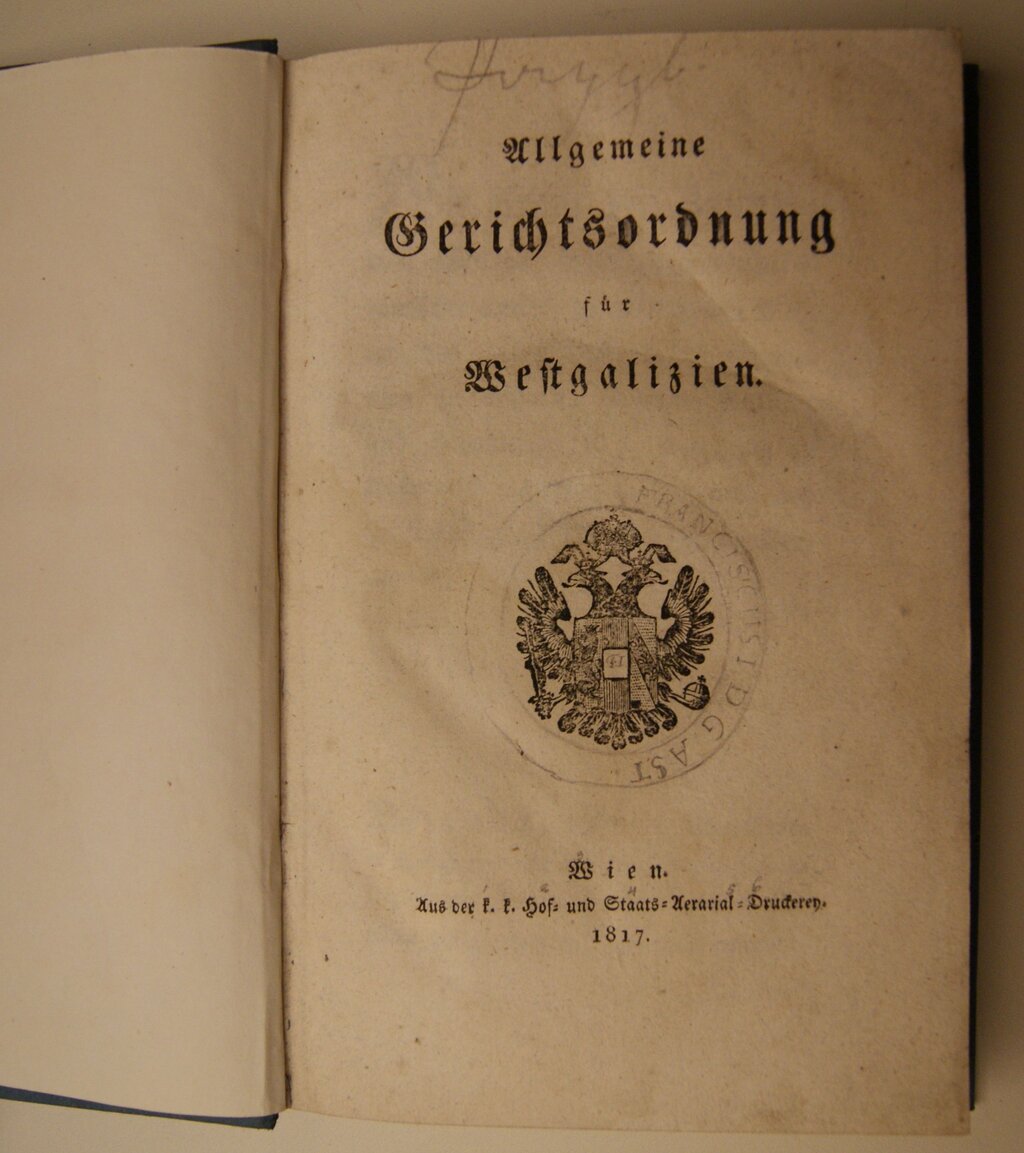
The British administration in India made several attempts to create a uniform code, with the first significant version appearing in 1859. However, it was the Code of 1908 that finally provided a comprehensive and widely accepted framework. It was designed to consolidate and amend the laws relating to the procedure of the Courts of Civil Judicature.
The Goals of the CPC
The primary objective of the CPC is not to create rights but to provide the means to enforce them. It ensures that no one is deprived of their rights without a fair and just process. The code is built on the principle of Ubi jus ibi remedium, a Latin maxim meaning "where there is a right, there is a remedy."
The CPC aims to achieve several key goals:
| Objective | Description |
|---|---|
| Uniformity | To apply the same set of procedural rules to all civil courts across India. |
| Efficiency | To ensure that legal disputes are resolved as quickly and inexpensively as possible. |
| Fairness | To provide both parties with a fair opportunity to present their case and be heard. |
| Justice | To ensure that the final outcome is just and the court's decision is properly enforced. |
Ultimately, the code is a tool to facilitate justice and not to obstruct it. While its rules are important, courts often interpret them in a way that serves the ultimate goal of a fair resolution, rather than getting caught in technicalities. The focus is always on substantive justice over procedural hurdles.
Time to check your understanding of these foundational ideas.
What is the primary objective of the Code of Civil Procedure, 1908?
The Code of Civil Procedure's emphasis is on substantive justice over procedural hurdles.
This framework ensures that the path to justice in civil matters is clearly laid out, making the legal system more accessible and reliable for everyone.