Citizen Data Science for Industrial Applications
Citizen Data Science Principles
The Rise of the Citizen Data Scientist
You don't need a Ph.D. in statistics to find powerful insights in data. The world is full of professionals who are experts in their fields, from engineering to marketing. When these experts learn to use data analysis tools, they become citizen data scientists.
A citizen data scientist is someone who creates models and extracts insights from data, but whose primary job is outside the field of statistics or analytics.
Think of them as translators. They bridge the gap between complex datasets and real-world business decisions. They aren't trying to build the next revolutionary algorithm. Instead, they apply data science techniques to solve practical, everyday problems within their own departments.
Your Superpower Is Your Expertise
For a citizen data scientist, technical skill is only part of the equation. The most critical ingredient is domain expertise, which is a deep understanding of a specific field or industry. A formal data scientist might see patterns in numbers, but a power utility professional sees the signs of a failing transformer or an opportunity to optimize the grid.
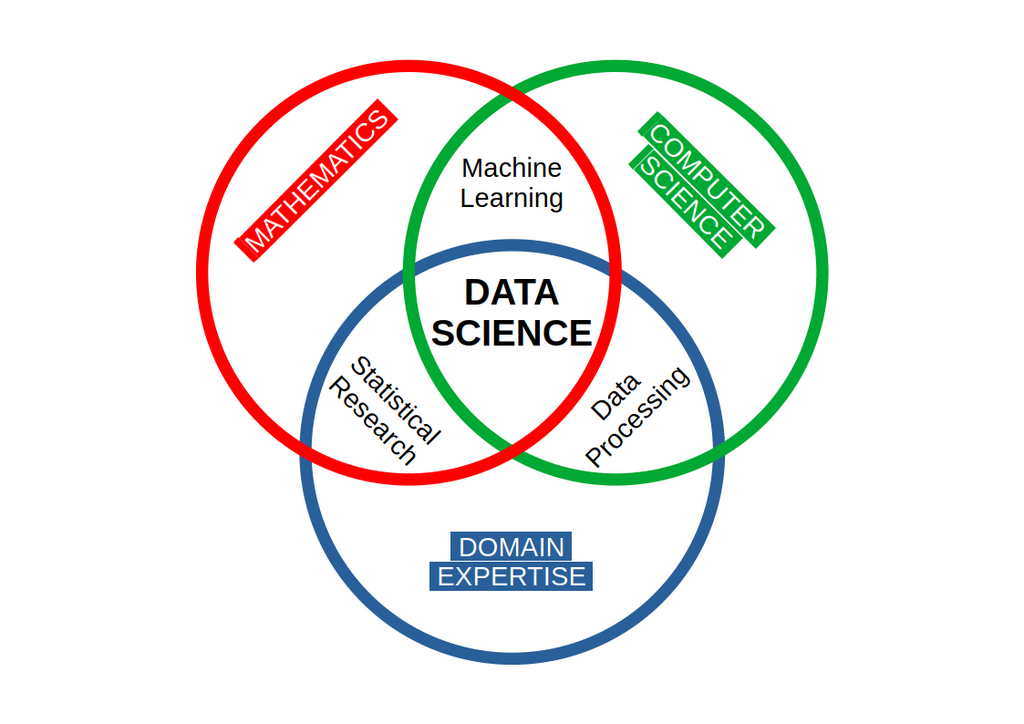
Imagine a dataset shows a slight, recurring voltage dip at a substation every weekday afternoon. A pure data analyst might flag it as a statistical anomaly. But a utility engineer, the citizen data scientist in this case, recognizes that pattern. They know it coincides with a nearby factory's shift change and can investigate whether the equipment is handling the load correctly. This context, provided by domain expertise, turns raw data into actionable intelligence.
Data Science is an interdisciplinary field that uses various techniques from statistics, mathematics, computer science, and domain-specific knowledge to extract insights from vast amounts of data.
Data in the Real World
In the power industry, data is flowing from more sources than ever before. This is largely due to the convergence of Information Technology (IT) and Operational Technology (OT).
- IT systems manage business data like billing, customer records, and work orders.
- OT systems manage the physical equipment of the grid, like sensors, meters, and control systems.
Historically, these two worlds were separate. IT data lived in databases in an office, while OT data stayed within the operational network that controlled the grid. IT/OT convergence means these systems are now connected, allowing operational data to be analyzed alongside business data. This unlocks new possibilities, like predicting equipment failure by correlating sensor readings (OT) with maintenance history (IT).
Bringing all this data together often involves data migration, the process of moving data from one system to another. This can be challenging. Old systems may have poorly documented data formats, and ensuring data quality during the transfer is critical. A single corrupted sensor reading could lead to a flawed analysis.
However, the opportunity is immense. A successful data migration can break down information silos, creating a single, reliable source of data. This empowers citizen data scientists to see the bigger picture and make more informed, data-driven decisions that can improve efficiency, reliability, and safety across the utility.
What is the most critical ingredient for a successful citizen data scientist?
In the context of a power utility, customer billing records and work orders are typically managed by which type of system?
Now that you have a grasp of the fundamentals, you're ready to explore how these principles are put into practice.