CISSP Certification Essentials
Security and Risk Management
The Cornerstones of Security
Information security isn't just about firewalls and antivirus software. At its core, it's about protecting information in three specific ways. These three principles are known as the CIA triad, and they form the foundation of any strong security program.
Confidentiality, integrity, and availability—the CIA triad—are the three pillars of information security.
Think of it like a secure mailbox. You want your mail to be confidential, meaning only you can open it. You want its integrity maintained, so no one can alter your letters. And you need it to be available, so you can access your mail whenever you need it. Let's break down each part.
Confidentiality
noun
The principle of ensuring that information is not disclosed to unauthorized individuals, entities, or processes.
Confidentiality is about secrecy and privacy. It's the promise that sensitive data is only seen by those with the proper permission. When you enter your password on a website, you expect that password to be kept confidential.
Integrity
noun
The principle of maintaining the consistency, accuracy, and trustworthiness of data over its entire lifecycle.
Integrity ensures that information is authentic and hasn't been tampered with. Imagine a bank transfer. You need to be certain that the $100 you send arrives as $100, not $10 or $1,000. Data integrity guarantees that information remains unaltered from its original state.
Availability
noun
The principle that information should be accessible and usable upon demand by an authorized party.
Information is useless if you can't get to it when you need it. Availability means that systems, networks, and data are up and running for legitimate users. If a website crashes due to overwhelming traffic, its availability has been compromised.
Setting the Rules
The CIA triad provides the goals, but how does an organization achieve them? That's where security governance comes in. Governance is the set of rules, policies, and processes that guide an organization's security efforts. It’s the framework that ensures security decisions align with the company's overall objectives.
Good governance isn't just a technical matter. It involves everyone, from top leadership who sets the strategy to each employee who follows security protocols. It establishes who is responsible for protecting different types of information and defines the consequences for failing to do so.
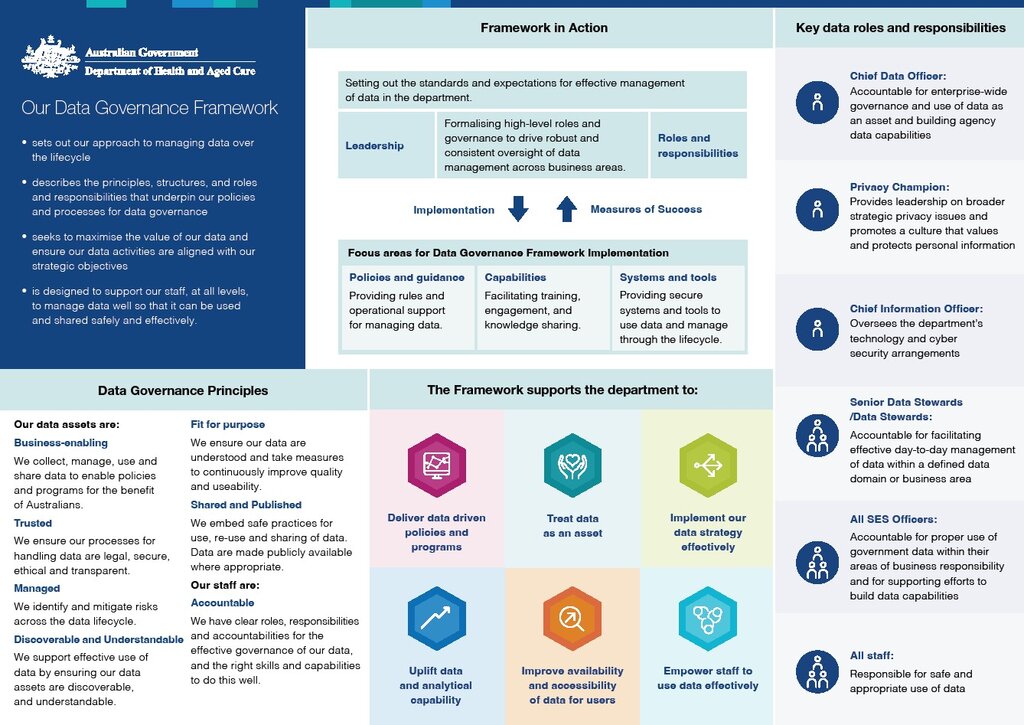
A key part of governance is compliance. Many industries are subject to specific laws and regulations about how they must handle data. For example, healthcare organizations must comply with HIPAA to protect patient privacy, while companies handling customer data in Europe must follow GDPR.
Compliance isn't optional. Failing to meet these legal requirements can lead to heavy fines, legal action, and a significant loss of customer trust. Security governance provides the structure to ensure these rules are followed consistently across the organization.
Ethics and Risk
Beyond laws and regulations, information security is also guided by professional ethics. Security professionals often have access to sensitive systems and private information. Ethical conduct requires them to act with integrity, protect confidentiality, and use their skills responsibly.
This means respecting privacy, being honest about security risks, and never using their knowledge for personal gain or to harm others. A strong ethical foundation is what separates a security professional from a malicious hacker.
Ethical behavior is the bedrock of trust in the security field. Without it, the entire system of digital trust falls apart.
Finally, no organization can eliminate every possible threat. That’s why risk management is a core part of security governance. It's a proactive process for dealing with potential threats before they cause damage.
The process generally follows a few key steps:
- Identify Risks: What could go wrong? This could be anything from a server failure to a phishing attack.
- Assess Risks: How likely is each risk to happen, and how bad would the damage be?
- Mitigate Risks: Based on the assessment, decide how to handle each risk. You might accept a low-level risk, transfer it (like with insurance), or implement controls to reduce its likelihood or impact.
- Monitor: Security is an ongoing process. New threats emerge, so risks must be continuously monitored and reassessed.
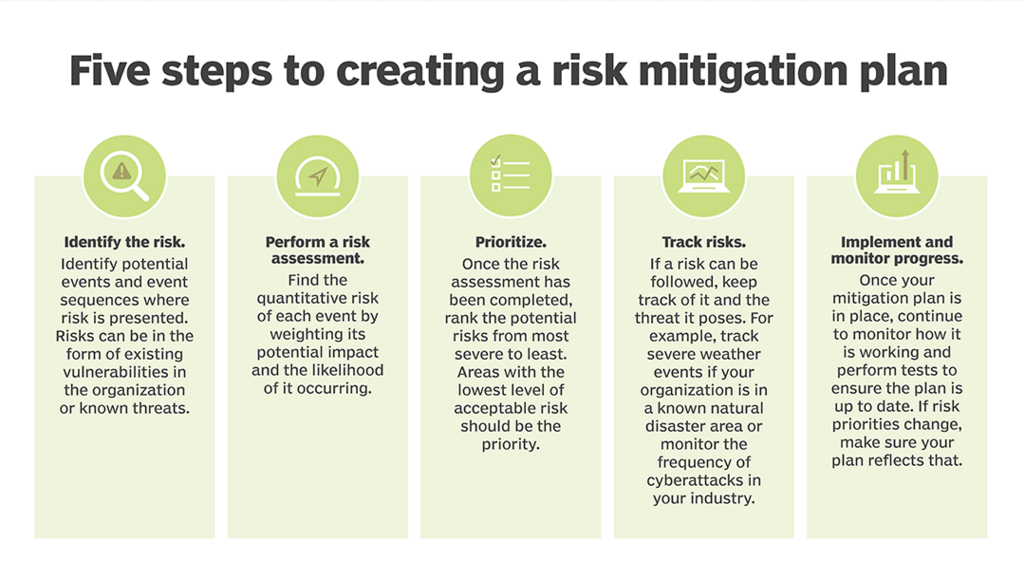
By combining the principles of the CIA triad with a solid framework of governance, compliance, ethics, and risk management, organizations can build a resilient security posture that protects their most valuable asset: information.
Let's check your understanding of these foundational concepts.
In the context of the CIA triad, what does 'Integrity' refer to?
A bank's website crashes due to a Distributed Denial-of-Service (DDoS) attack, preventing customers from accessing their accounts. Which principle of the CIA triad has been primarily compromised?