Circular Design Thinking
Introduction to Circular Economy
Beyond Take, Make, Waste
For a long time, our economy has followed a simple, straight line. We take resources from the earth, make them into products, and then throw them away when we're done. This is called a linear economy. Think of a plastic water bottle: it's made from oil, used once, and then tossed in a landfill. This process creates a massive amount of waste and puts a strain on our planet's finite resources.
The circular economy offers a different path. It's a system designed to eliminate waste and keep resources in use for as long as possible. Instead of a straight line ending in a landfill, it imagines a circle where materials are constantly reused, repaired, and recycled back into new products.
This model is inspired by nature, where nothing is wasted. A fallen leaf, for example, decomposes and provides nutrients for new plants to grow. The circular economy applies this same thinking to our industries and daily lives.
The Three Core Principles
The circular economy is built on three simple but powerful ideas.
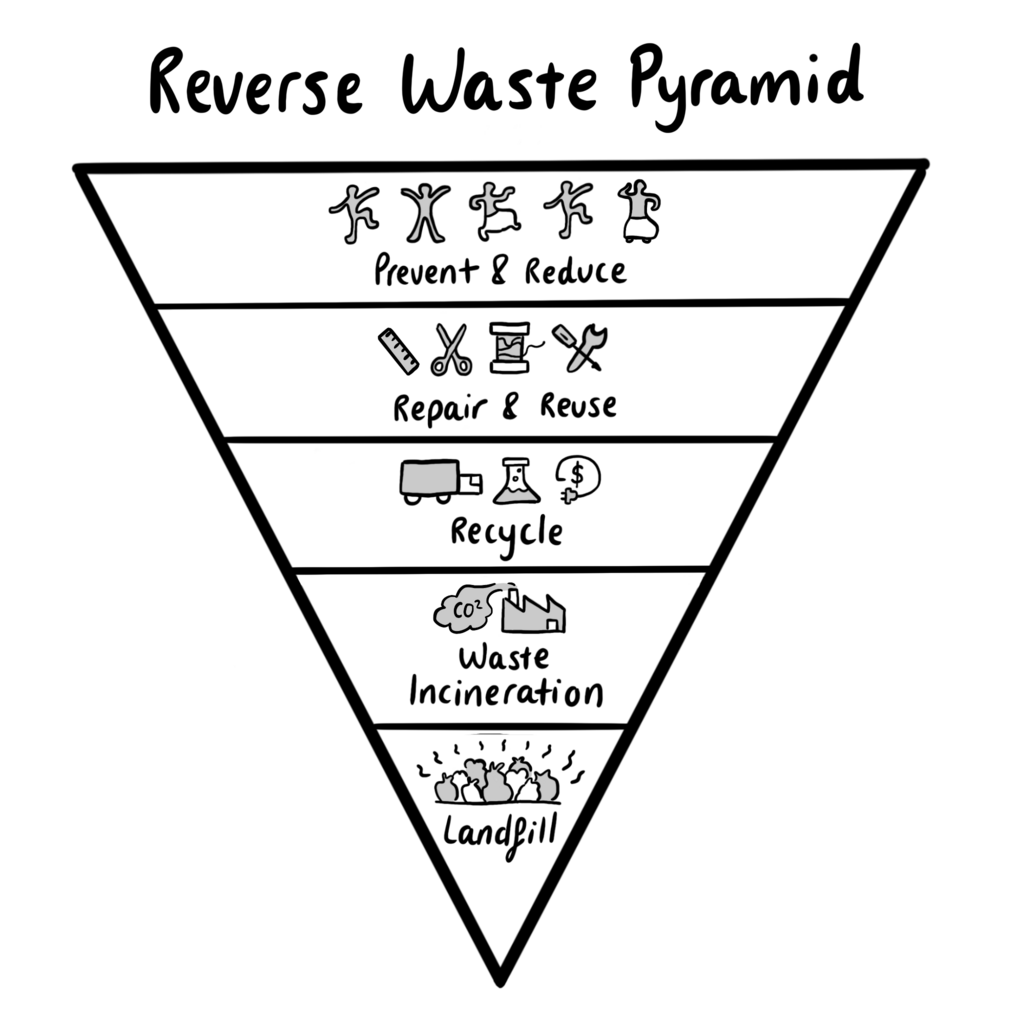
1. Design out waste and pollution. From the very beginning, products should be designed to prevent waste. This could mean choosing materials that are easily recyclable or creating packaging that is compostable. The goal is to tackle the problem at the source, rather than figuring out what to do with waste after it's already been created.
2. Keep products and materials in use. This means extending the life of things we make. Instead of throwing a product away, we can repair it, reuse it, or remanufacture it into something new. Recycling is part of this, but it's often the last resort. The priority is to maintain the value of products and materials for as long as possible.
3. Regenerate natural systems. A circular economy doesn't just aim to do less harm—it aims to do good. By returning biological materials to the earth through processes like composting, we can help rebuild soil, support biodiversity, and improve the health of our ecosystems.
Why It Matters
Shifting from a linear to a circular economy is crucial for addressing some of the world's biggest challenges. Our current model contributes heavily to climate change, resource depletion, and pollution. A circular approach helps reduce greenhouse gas emissions, conserves valuable materials, and minimizes the amount of waste that ends up in our oceans and landfills.
There are also significant economic benefits. By keeping resources in circulation, businesses can reduce their reliance on expensive raw materials. This shift also drives innovation, creating new jobs and business models focused on repair, remanufacturing, and recycling.
By transitioning to the circular economy, companies can help unlock $4.5 trillion of GDP growth worldwide by 2030.
Of course, this transition isn't easy. It requires big changes in how we design products, manage supply chains, and even think about ownership. Consumers, businesses, and governments all have a role to play. It involves rethinking policies, investing in new technologies, and changing everyday habits. While the path has its challenges, the potential rewards for our planet and our economy are immense.
Which of the following best describes a "linear economy"?
The circular economy is inspired by natural systems, where waste from one process becomes food for another.
The circular economy represents a fundamental shift in perspective, moving away from a disposable culture toward one that values sustainability and regeneration.