Circular Clothing Store Startup
Understanding Circular Fashion
Beyond Take, Make, Waste
Most of the clothing industry operates on a straight line. Resources are taken from the earth, made into garments, worn for a while, and then thrown away. This is the linear model: take, make, waste. It's simple, but it creates a huge amount of trash and puts a massive strain on the planet's resources.
Circular fashion offers a different path. Instead of a straight line ending in a landfill, it imagines a circle. In this system, clothes are designed from the very beginning to be used longer, repaired, reused, and eventually recycled back into new garments. The goal is to eliminate waste entirely and create a self-sustaining loop.
The linear model is defined by its end point: the trash can. Resources are extracted, turned into products, and then discarded. The circular model, on the other hand, is designed to be restorative and regenerative. It's a fundamental shift in how we think about the lifecycle of our clothes.
The Principles of the Circle
Circular fashion isn't just about recycling. It's a complete rethinking of the entire system, built on a few core ideas.
Design out waste and pollution. This starts on the designer's drawing board. It means choosing materials that are durable, safe, and recyclable. For example, a shirt made from 100% organic cotton is much easier to recycle than one made from a blend of cotton, polyester, and elastane. It also means designing clothes that can be easily taken apart at the end of their life.
Think of it like building with LEGO bricks. If you use standard, single-material bricks, you can easily disassemble your creation and build something new. But if you glue different types of bricks together, they become much harder to separate and reuse.
Keep products and materials in use. The most sustainable garment is the one you already own. Circular fashion aims to extend the life of clothing for as long as possible. This includes creating higher-quality items that don't fall apart after a few washes, as well as making it easier for consumers to repair, tailor, and pass on their clothes.
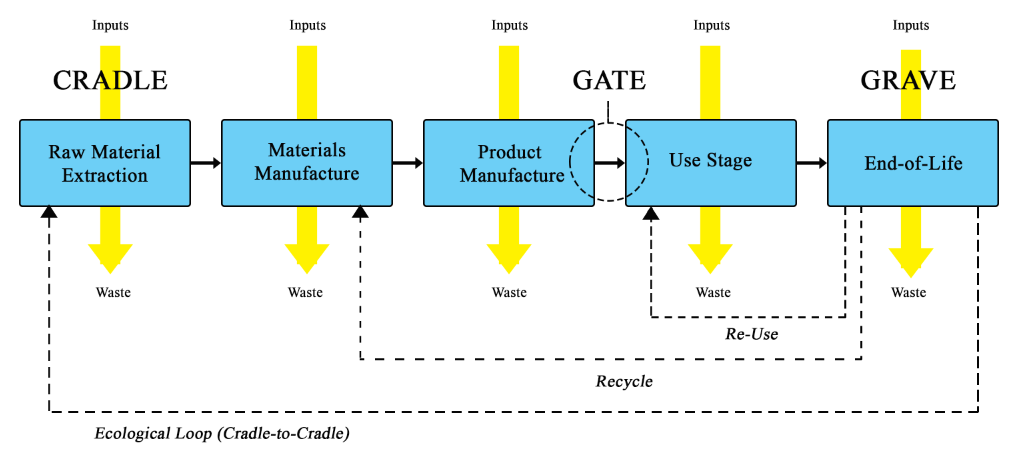
This principle challenges the idea of clothes as disposable items and encourages us to see them as durable goods worth caring for.
Regenerate natural systems. A truly circular system doesn't just do less harm; it actively does good. This means using materials and processes that replenish the environment. This could involve farming practices that improve soil health, like regenerative agriculture for cotton, or using materials that can safely biodegrade and return nutrients to the earth at the end of their life.
The Environmental Payoff
Adopting a circular model has significant benefits for the planet. By keeping textiles out of landfills, we reduce the release of methane, a potent greenhouse gas. Every garment that is reused or recycled means one less new garment that needs to be produced, saving huge amounts of water, energy, and raw materials.
For example, producing a single cotton t-shirt can require over 2,700 liters of water. When we extend the life of that shirt or recycle its fibers into a new one, we avoid that environmental cost. Circular fashion also reduces pollution from dyes, chemicals, and microplastic shedding associated with producing and washing new clothes.
It's a move away from a system of constant consumption and disposal toward one that values resources, respects the environment, and recognizes that nothing should be treated as waste.
A circular economy is designed to use resources for as long as possible, after which they’re recovered and regenerated so that waste is nearly eliminated.
This approach offers a hopeful vision for an industry that can be both creative and conscientious.
Which phrase best describes the linear model of the clothing industry?
What is the primary goal of the circular fashion model?
Ultimately, circular fashion is about making smarter choices at every stage of a garment's life, creating a system that works for both people and the planet.