CIPP/E Evaluation Models Explained
Introduction to Program Evaluation
What is Program Evaluation?
Program evaluation is a systematic way to judge the value and effectiveness of a program. Think of it like a report card, but not just for a student. This report card is for the entire educational program, whether it's a new math curriculum, a teacher training workshop, or an after-school tutoring service.
The main goal isn't just to give a grade. It's to gather information to make smart decisions. The evaluation looks at what the program sets out to do, what it actually does, and what results it achieves. It answers the core question: "Is this program working as intended?"
Essentially, program evaluation is the process of collecting, analyzing, and using information to make informed decisions about educational programs.
Why It Matters in Education
In education, resources like time, money, and effort are always limited. Evaluation helps ensure these resources are used effectively. It provides evidence, not just opinions, to guide improvements.
For example, imagine a school district rolls out a new reading program. Without evaluation, they wouldn't know if it's actually helping students read better than the old program. An evaluation could track student reading scores, survey teachers about the new materials, and observe classroom implementation. This data helps administrators decide whether to continue the program, modify it, or try something else entirely. It helps everyone involved understand a program's strengths and weaknesses.
This process is crucial for accountability. It shows stakeholders—like parents, school boards, and funding agencies—that a program is having a positive impact and is a worthwhile investment. Most importantly, it helps create better learning experiences for students.
Models for Evaluation
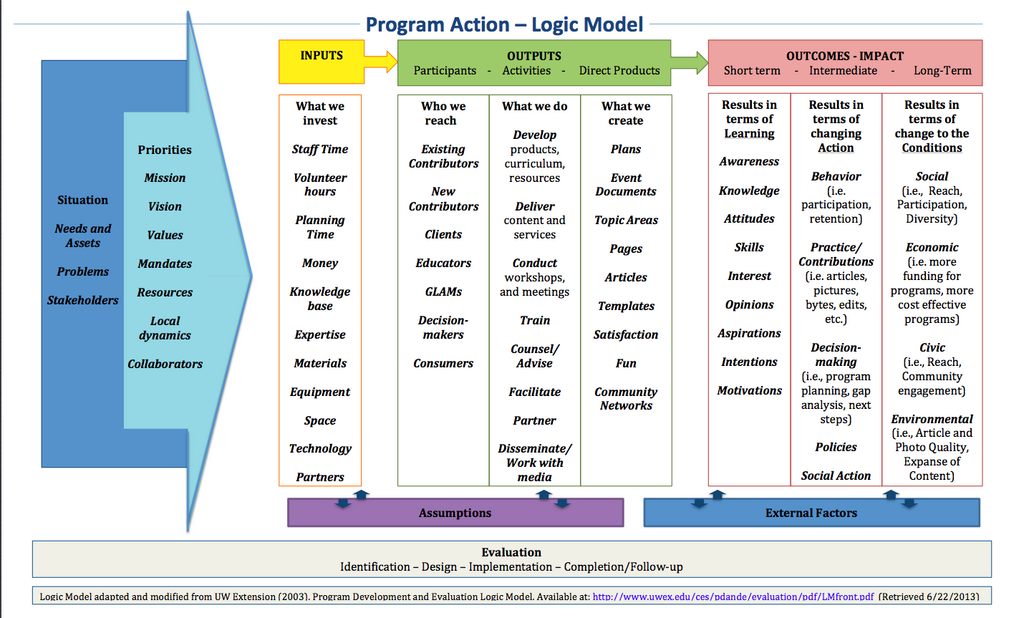
There isn't just one way to evaluate a program. Different situations call for different approaches. To provide structure, experts have developed various evaluation models. These models act as frameworks or blueprints, guiding the evaluation process from start to finish.
Some models focus on achieving set goals, while others emphasize the decision-making process. For instance, a Logic Model helps visualize how a program's components are supposed to work together to produce results. Another common approach is the Kirkpatrick Model, often used for training programs, which assesses learning on four different levels.
One of the most comprehensive frameworks used in education is the CIPP model. This acronym stands for Context, Input, Process, and Product. It's designed to provide a holistic view by evaluating a program at four key stages. We'll explore this model in more detail later on, but for now, the key takeaway is that different models provide different lenses through which to view and assess a program's value.
Evaluations can be used to improve programmes as they roll out and/or can try to estimate whether and how particular aims were achieved and whether this was better and more cost effective than other courses of action.
Let's check your understanding of these foundational concepts.
What is the primary purpose of program evaluation in an educational setting?
True or False: The text suggests that there is only one correct way to conduct a program evaluation.
Understanding what program evaluation is and why it's important provides the foundation for learning how to conduct one effectively.