Cinema Verité Camera Techniques
Introduction to Cinéma Vérité
The Truth on Film
For a long time, documentaries felt like lectures. A narrator, often called the “voice of God,” would explain everything you saw on screen. The subjects were just that—subjects, observed from a distance. But in the 1960s, a new movement challenged this entire approach. What if a film could capture reality as it unfolded, messy and unpredictable?
This was the central idea behind Cinéma Vérité, a French term that literally means “cinema truth.” The goal wasn’t just to show events, but to provoke a moment of truth, a raw glimpse into human behavior.
Instead of carefully planned scripts and staged interviews, filmmakers embraced spontaneity. They would often interact with their subjects, ask probing questions, and even make their own presence known. The idea was that the camera wasn’t a fly on the wall, but a catalyst. Its presence could make people act in ways that revealed a deeper, more personal truth.
Pioneers and Influences
The movement was spearheaded by figures like French anthropologist and filmmaker Jean Rouch and sociologist Edgar Morin. They believed that objective truth was impossible to capture on film. Instead, they aimed for a shared truth, one created in the interaction between the filmmaker and the subject. They weren't just observing life; they were participating in it.
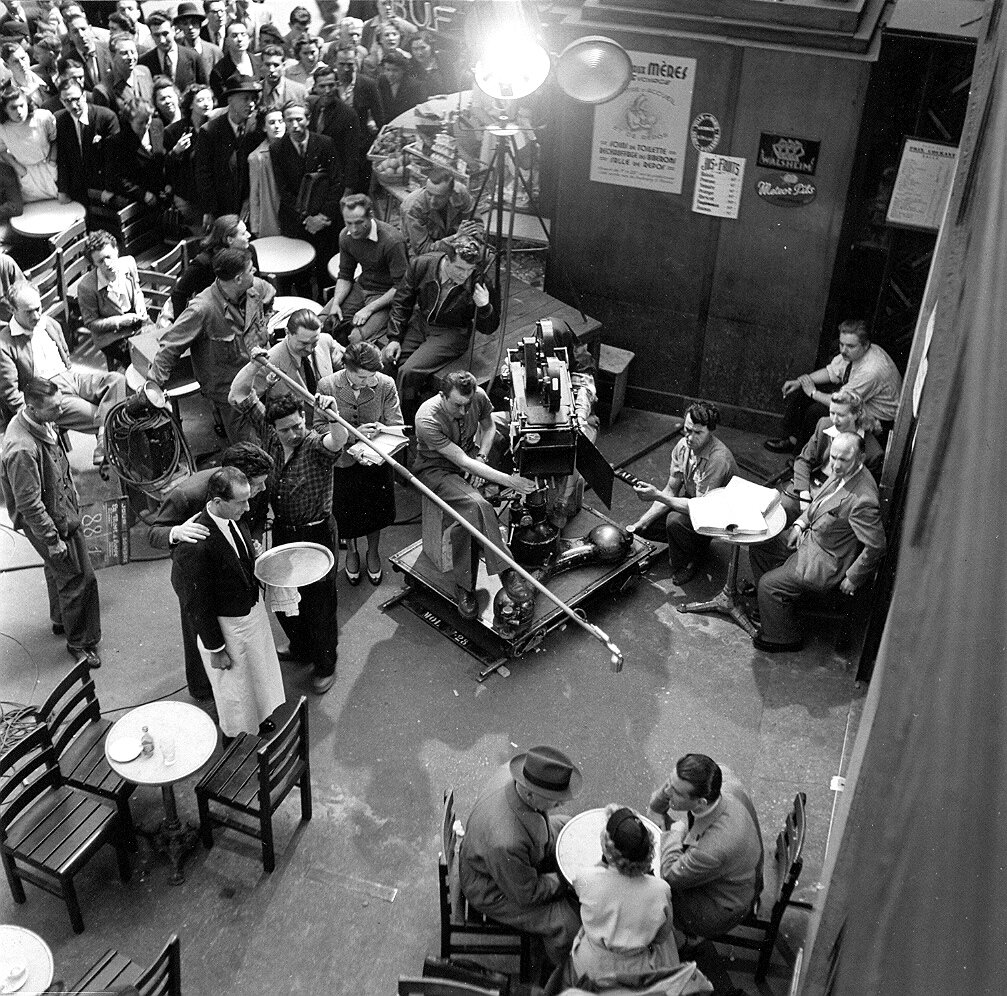
Cinéma Vérité didn’t appear out of nowhere. It drew heavily from earlier movements that also sought a more authentic style. One major influence was Italian Neorealism, which emerged after World War II. Neorealist directors used non-professional actors and filmed on the streets of war-torn Italy, capturing the raw struggles of everyday people.
Another key inspiration was the British Free Cinema movement of the 1950s. These filmmakers focused on working-class life, creating short, personal documentaries that celebrated the ordinary and rejected the polished, mainstream films of the time.
Both movements shared a common thread: a deep desire to break away from artificial studio productions and tell stories that reflected the unvarnished reality of the world.
A New Kind of Documentary
So how did Cinéma Vérité differ from a traditional documentary? Think of it this way:
A traditional documentary often presents itself as an objective authority. It has a clear argument, uses a formal narrator, and edits footage to support its point, hiding the filmmaking process.
Cinéma Vérité throws that playbook out. It acknowledges the filmmaker's presence, embraces ambiguity, and often feels more like a conversation than a statement. The goal isn’t to give you all the answers, but to make you part of the questioning.
| Feature | Traditional Documentary | Cinéma Vérité |
|---|---|---|
| Filmmaker's Role | Invisible observer | Active participant |
| Narration | Authoritative "voice of God" | Minimal or no narration |
| Subject Interaction | Distant, observational | Direct, often confrontational |
| Goal | Present objective facts | Provoke subjective truth |
This approach created films that were immediate, personal, and sometimes uncomfortable. It was a radical shift that treated filmmaking not just as a way to record the world, but as a way to engage with it directly.
What is the primary goal of the Cinéma Vérité approach to filmmaking?
The presence of the filmmaker and their camera is seen as a catalyst for revealing truth, not a neutral observer.