CI/CD Templating Mastery
Introduction to CI/CD
The Heartbeat of Modern Software
Imagine a team of chefs preparing a large, complex meal. In a traditional kitchen, each chef might work on their part of the dish in isolation for hours. They only combine their ingredients at the very end. If someone used salt instead of sugar, the entire dish is ruined, and it's a huge task to figure out who made the mistake and when. This is how software used to be built: long periods of isolated work followed by a stressful, chaotic integration phase.
Continuous Integration and Continuous Deployment, or CI/CD, offer a better way. It's like each chef adding their ingredient to the main pot as soon as it's ready. The head chef tastes it immediately. If something is off, it's caught right away and easily fixed. This constant process of adding, testing, and verifying is the core idea of CI/CD.
Continuous Integration
noun
The practice of frequently merging all developers' code changes into a central repository, after which automated builds and tests are run.
Continuous Integration (CI) is the first half of the equation. It's an automated process where developers merge their code changes into a shared repository several times a day. Every time they do, an automated build and test sequence is triggered. This ensures that new code doesn't break anything.
Continuous Deployment
noun
An extension of continuous integration that automatically deploys all code changes that pass the automated testing stages to a production environment.
Continuous Deployment (CD) takes it a step further. After the code successfully passes all the automated tests in the CI stage, it is automatically released to users. There's no manual gate. If the code is good, it goes live. This approach transforms software delivery from a high-stakes, infrequent event into a routine, low-risk activity.
The Benefits of Automation
Adopting CI/CD isn't just about using new tools; it's a cultural shift that brings significant advantages. Teams that embrace this model work faster, smarter, and with less stress.
Small, frequent changes are less risky than large, infrequent ones.
One of the biggest benefits is accelerated delivery. Instead of releasing software updates every few months, teams can deploy changes multiple times a day. This gets new features and bug fixes to customers much faster.
Code quality also sees a dramatic improvement. With automated tests running on every single change, bugs are caught almost immediately. It's much easier to fix a bug you introduced five minutes ago than one that's been hiding in the codebase for five weeks. This continuous feedback loop helps developers maintain a high standard of quality.
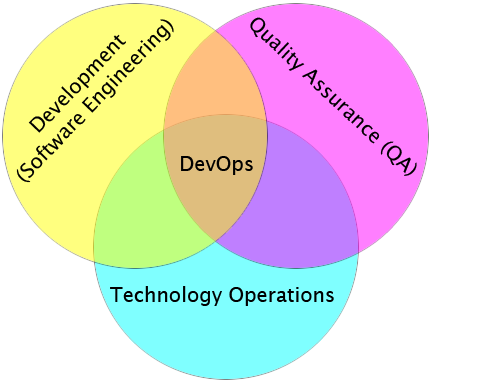
Finally, CI/CD enhances team collaboration. It forces developers to integrate their work continuously, which reduces the chances of conflicting code. The automated pipeline becomes the single source of truth about the health of the application, making it easy for everyone on the team to see the status of a build and quickly address any issues.
Anatomy of a Pipeline
The automated process that makes CI/CD possible is called a pipeline. Think of it as a factory assembly line for software. It takes raw code from a developer and transforms it into a finished product ready for users, with quality checks at every step.
Here's a look at the typical stages:
-
Commit: The pipeline kicks off when a developer commits code to the team's central repository. This is the trigger that starts the whole process.
-
Build: The CI server takes the latest version of the code from the repository and compiles it into an executable program. If the code can't be compiled, it means there's a fundamental error. The pipeline fails, and the developer is notified immediately.
-
Test: This is arguably the most critical stage. The built application is subjected to a suite of automated tests. These can range from simple unit tests that check individual functions to more complex integration tests that verify different parts of the software work together correctly. If any test fails, the pipeline stops.
-
Deploy: If the application passes every single test, the CD part of the pipeline takes over. It automatically deploys the new version of the code to the production environment, making it available to end-users.
CI/CD pipelines automate the process of building, testing, and deploying code changes.
Each step in the pipeline provides a feedback loop. If something goes wrong, the team knows instantly, allowing them to fix the problem while the context is still fresh in their minds. This systematic, automated approach is what allows teams to release high-quality software with speed and confidence.
What is the primary purpose of Continuous Integration (CI)?
In the cooking analogy from the text, what does the 'head chef tasting the dish immediately' represent?
By automating the path from code to customer, CI/CD removes manual toil and reduces the risk of human error, freeing up developers to focus on what they do best: building great software.