Church Growth and Evangelism in Africa
Introduction to African Church History
Ancient Roots
When many people think of Christianity in Africa, they picture European missionaries from the last few centuries. But the story begins much, much earlier. Christianity has been in Africa for almost as long as Christianity has existed. The continent's first Christians were in North Africa, in places like Egypt, Ethiopia, and modern-day Tunisia. Theologians like Augustine of Hippo, a key figure in Western Christianity, were from what is now Algeria.
By the 4th century, the Kingdom of Aksum in Ethiopia had adopted Christianity as its state religion. This created one of the oldest Christian traditions in the world, which developed its own unique customs and theology, largely separate from European churches. These early communities show that Christianity's African roots are deep, predating any European colonial involvement by over a thousand years.
Missions and Colonialism
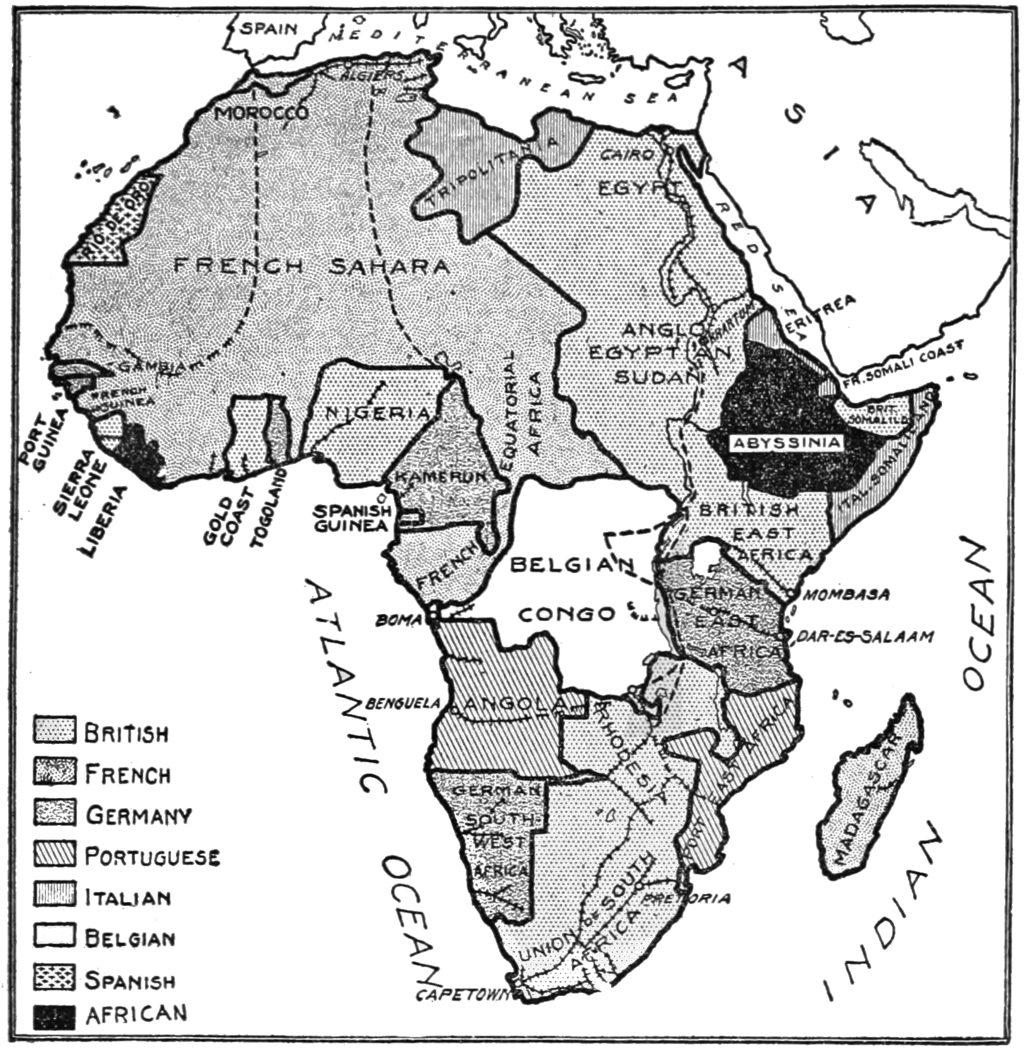
The second major wave of Christianity arrived in the 15th century with Portuguese explorers, but the most significant expansion began in the 19th century. This period coincided with the “Scramble for Africa,” when European powers colonized most of the continent. Missionaries often arrived alongside colonial administrators, traders, and soldiers.
This relationship was complex. On one hand, colonial governments often protected missionaries and provided infrastructure that made it easier for them to travel and establish schools and hospitals. These services were attractive to many Africans and became centers for conversion. On the other hand, the link between the church and colonial power created deep problems. For some Africans, accepting Christianity felt like accepting foreign rule. Missionaries sometimes dismissed local cultures and traditions, viewing them as inferior to European ways.
The connection was so strong that in some areas, the local word for “Christian” became the same as the word for “white person.”
Despite these tensions, the missionary movement led to the translation of the Bible into many African languages and the establishment of educational systems that trained a new generation of African leaders. These leaders would later play key roles in both the church and independence movements.
The Rise of African Churches
By the early 20th century, a major shift began. African Christians started to form their own churches, independent of missionary control. These are often called African Initiated Churches (AICs). This movement was driven by a desire to integrate Christian faith with African cultural practices, languages, and worldviews.
These new churches grew for several reasons. Some leaders felt that missionary churches were too slow to give Africans positions of authority. Others wanted to incorporate elements of traditional African spirituality, like healing and prophecy, into their worship in ways that missionaries often forbade. The result was a vibrant and diverse expression of Christianity that felt more authentic and relevant to the local context.
Instead of a foreign import, Christianity began to feel like a truly African faith.
Explosive Growth
The 20th century saw one of the most dramatic demographic shifts in religious history. In 1900, there were an estimated 9 million Christians in Africa. By 2000, that number had exploded to over 380 million. Today, there are more than 600 million Christians on the continent, making up nearly half of its population.
This growth was driven by the work of the AICs, the continued efforts of mission-founded churches now led by Africans, and the appeal of Pentecostal and Charismatic movements that emphasized personal experience and spiritual power. The center of gravity for global Christianity has shifted. A century ago, it was a predominantly European religion. Today, its future is being shaped in Africa.
Where were some of the earliest Christian communities in Africa located?
True or False: The major expansion of Christian missionary work in the 19th century was completely separate from European colonial activities.