Chronicles of Human Progress
Rise of Statehood
From Fields to Thrones
The first cities didn't spring up by chance. They rose from the mud of riverbanks in Mesopotamia, Egypt, and the Indus Valley. The key was water. Rivers like the Tigris, Euphrates, and Nile provided life, but they were unpredictable—flooding one season, running low the next. To survive and thrive, communities had to cooperate on a massive scale to build and maintain irrigation canals, dams, and reservoirs.
This need for large-scale water management gave rise to a new kind of power. Organizing thousands of laborers and distributing water fairly required a central authority. This idea is sometimes called the hydraulic hypothesis—the theory that state control emerged from the need to manage complex water systems. A leader, or a group of leaders, had to make decisions for the entire community, transforming loose collections of farmers into centrally managed societies.
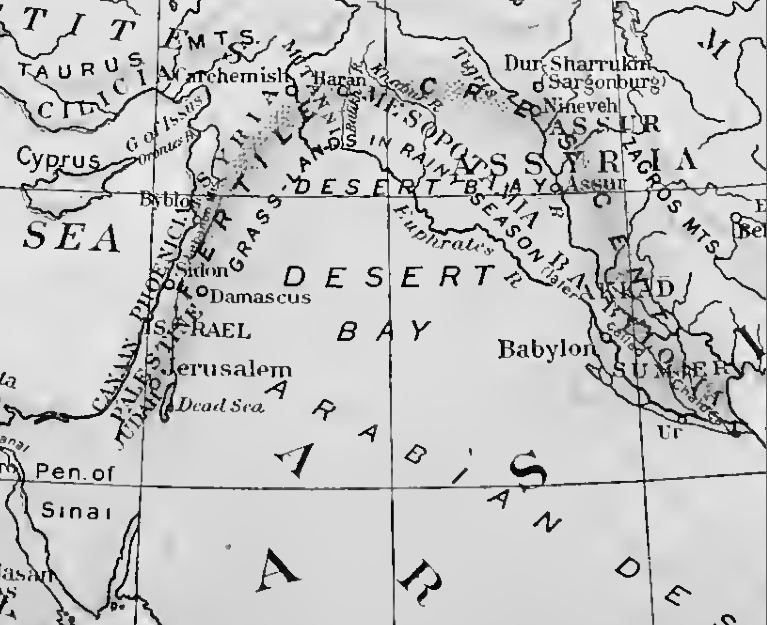
This shift marked the transition from chiefdoms to states. A chief's authority was often personal, based on kinship, charisma, or proven skill. But the leaders of these new hydraulic societies wielded a more formal, impersonal power. They weren't just the most respected farmer; they were administrators overseeing a complex economic machine.
Agricultural surplus was the fuel for this engine. For the first time, societies could produce more food than they needed for immediate survival. This surplus could support a class of people who didn't farm: rulers, priests, soldiers, and bureaucrats. Power was no longer just about leading a hunt; it was about controlling the granary.
The New Social Ladder
With a reliable food supply, not everyone had to be a farmer. This opened the door for economic specialization. Potters, weavers, metalworkers, and merchants emerged, trading their skills and goods for food. This division of labor created a more complex and interdependent society.
It also created a rigid social hierarchy. At the top was a ruler, often a king or pharaoh, who was frequently seen as a god or a god's representative on Earth. Below them were priests and nobles who helped administer the state and manage its religious life. Further down were the artisans and merchants, followed by the vast majority of the population: the farmers whose labor supported everyone else. At the very bottom were slaves, often captured in war. Social mobility was limited; you were typically born into your station in life.
This structure was remarkably stable. Each class depended on the others, and the state's power, backed by religion and military force, ensured that the order was maintained.
Writing and Building for Power
How do you manage an economy for thousands of people? You write things down. The earliest writing systems, like Mesopotamian cuneiform and Egyptian hieroglyphs, weren't invented to write poetry. They were developed as administrative tools.
Scribes, a new and powerful class of literate professionals, kept detailed records of grain harvests, tax payments, labor assignments, and temple offerings. This bureaucratic record-keeping was the software that ran the hardware of the state. It allowed rulers to plan for the future, manage resources efficiently, and maintain control over a large and dispersed population. Writing was an instrument of power.
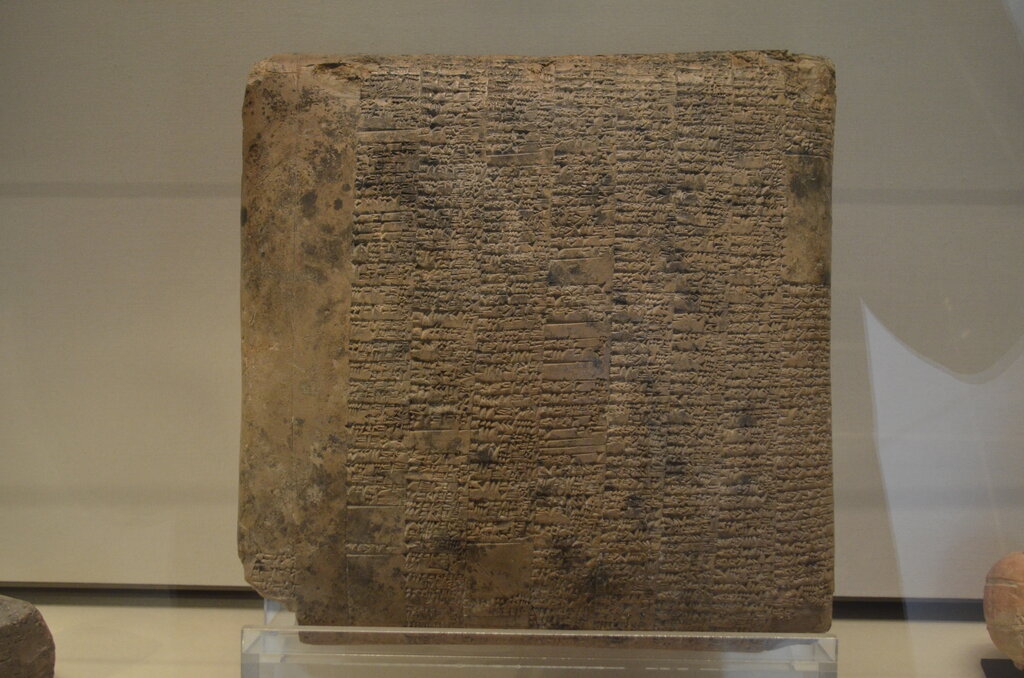
Alongside writing, early states asserted their power through monumental architecture. The pyramids of Egypt, the ziggurats of Mesopotamia, and the great baths of the Indus Valley were more than just impressive buildings. They were powerful symbols of the state's legitimacy and authority.
Constructing these massive structures required the state to command immense resources and organize huge teams of laborers. They served as religious centers, reinforcing the connection between the rulers and the gods. They were also a constant, visible reminder to the populace of the state's power and permanence. These early foundations—centralized authority born from resource management, social stratification, bureaucratic control, and symbolic power—created the template for empires to come.
Control the water and the food, and you control the people. This was the fundamental political equation of the first states.
Now, let's test your understanding of how these early states took shape.
According to the "hydraulic hypothesis," what was the primary driver for the development of centralized state power in early civilizations?
What was the most significant direct consequence of agricultural surplus in early states?