Christian Wolff and the Roots of Psychology
Introduction to Christian Wolff
The Man Who Organized Philosophy
Christian Wolff (1679-1754) was a key figure in the German Enlightenment, a period when thinkers championed reason as the primary source of authority and knowledge. Born in Breslau, Silesia (now Wrocław, Poland), Wolff was a polymath who studied theology, mathematics, and philosophy. His life's work was to create a complete and logical system of human knowledge, grounded in rational proof.
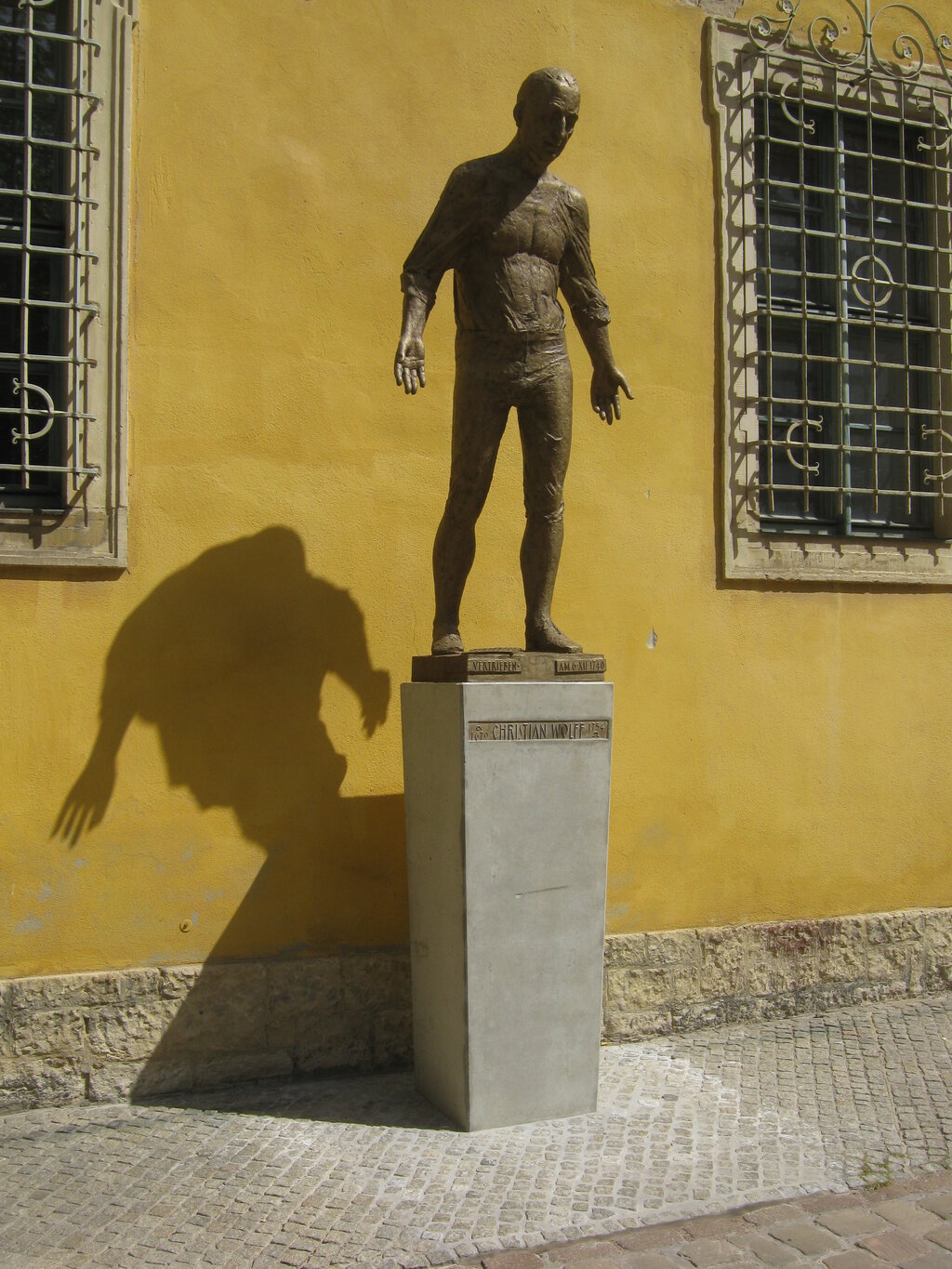
Wolff believed that philosophy could be as rigorous and certain as mathematics. He developed a precise, step-by-step method to analyze everything from metaphysics to ethics. This approach made complex ideas more accessible and helped establish German as a legitimate language for scholarly work, which had previously been dominated by Latin. Though his systematic style can seem dry today, it was revolutionary at the time, bringing clarity and order to philosophical debate.
Building on Giants
Wolff didn't create his system in a vacuum. He was heavily influenced by the great rationalist philosophers who came before him, most notably Gottfried Wilhelm Leibniz and René Descartes. From Leibniz, Wolff inherited the idea of a rational, ordered universe governed by principles like the principle of sufficient reason, which states that nothing happens without a reason.
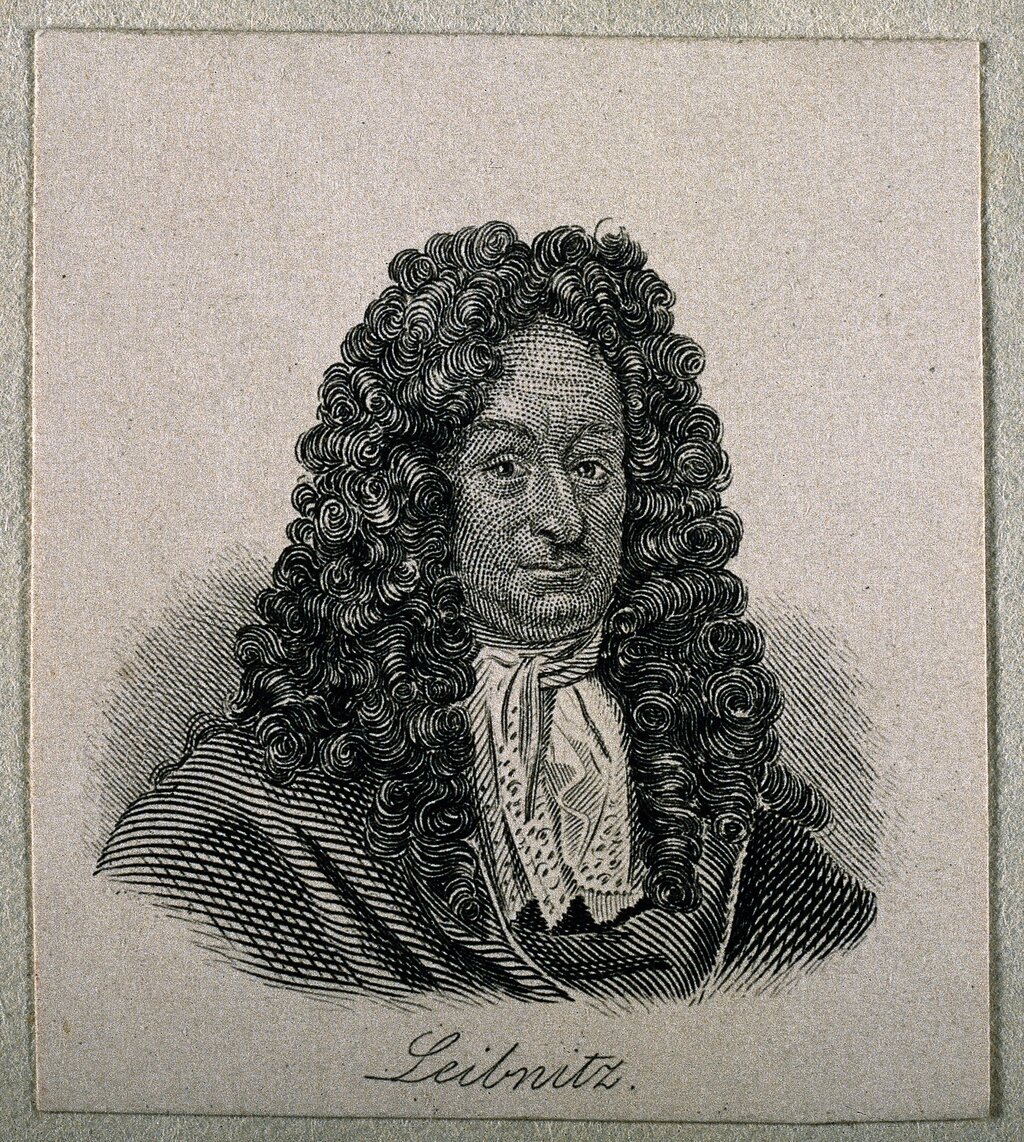
From Descartes, he took the emphasis on clarity, certainty, and the power of deductive reasoning. Wolff sought to build a philosophical system starting from self-evident truths and deriving further knowledge through logical steps, much like a geometric proof. He synthesized these influences into a uniquely comprehensive system that aimed to cover every field of human inquiry.
A System for Everything
Wolff was a prolific writer, but his most significant contributions are found in his series of German-language textbooks, collectively known by their leading title.
Rational Thoughts
This series included volumes on God, the world, the human soul, and ethics. Each book laid out its subject in a clear, methodical way. For example, his Rational Thoughts on God, the World and the Soul of Man, Also All Things in General (1720) was a foundational text for German metaphysics. He also wrote extensively in Latin for an international audience, with major works like Philosophia rationalis sive Logica (1728).
Wolff's goal was to make philosophy as clear and certain as a math proof. Every piece of knowledge was meant to fit neatly into one logical system.
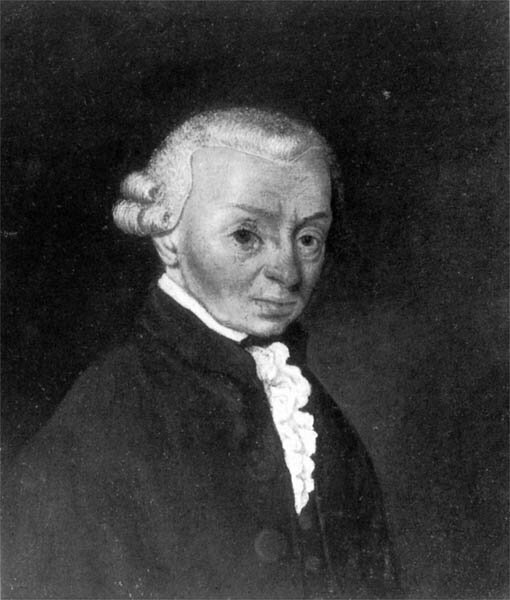
His work defined philosophical terms and concepts for generations of German students and thinkers. By popularizing Enlightenment ideas and establishing a systematic framework for philosophy, Wolff prepared the ground for one of history's most important philosophers: Immanuel Kant. Kant himself was educated in the Wolffian tradition, and while he would later critique it, Wolff’s system was the essential starting point for his own philosophical revolution.
What was the primary goal of Christian Wolff's philosophical project?
Wolff's philosophical method was heavily inspired by the certainty and rigor of which discipline?