Christian Leadership Essentials
Biblical Foundations
Biblical Blueprints for Leadership
Christian leadership isn't based on modern business theories or popular self-help guides. Its roots run much deeper, drawing wisdom directly from the Bible. Scripture provides the essential blueprint, defining what it means to lead in a way that honors God and serves others.
Throughout the Old and New Testaments, we see a consistent picture of leadership that is divinely appointed and purpose-driven. It’s not about personal ambition or power, but about stewardship and responsibility. Leaders are called to guide, protect, and nurture the people entrusted to them, reflecting God's own character.
Biblical principles form the bedrock of moral guidance for people seeking ethical clarity in an ever-changing world.
Key passages lay out the qualifications and duties of leaders. For example, in the New Testament, books like 1 Timothy and Titus describe the character traits required for overseeing a church community. These aren't lists of skills, but qualities of the heart: being self-controlled, hospitable, gentle, and having a good reputation. This emphasis on character over charisma is a hallmark of biblical leadership.
Portraits of Leadership
The Bible is filled with stories of imperfect people called to lead. These narratives offer powerful, real-world examples of leadership principles in action, complete with successes and failures.

Moses, for instance, began as a reluctant leader, full of self-doubt. Yet, he guided a nation out of slavery, mediated God's law, and managed endless disputes. His story teaches about reliance on God's strength, the weight of responsibility, and the importance of interceding for others.
King David, described as a man after God's own heart, shows a different side of leadership. He was a courageous warrior, a unifier of a nation, and a passionate worshiper. His life demonstrates the power of a humble heart and a deep, personal relationship with God. But his failures also provide crucial lessons about temptation, accountability, and the long-lasting consequences of a leader's moral lapses.
In the New Testament, the Apostle Paul's leadership was one of tireless perseverance and mentorship. He planted churches across the Roman Empire, often in the face of intense opposition. Paul's letters show him coaching, correcting, and encouraging new believers and leaders. He models a style of leadership focused on building up others and entrusting them with responsibility.
| Leader | Key Trait | Core Lesson |
|---|---|---|
| Moses | Faithfulness | God equips the leaders He calls. |
| David | Humility | Leadership starts with the heart. |
| Paul | Perseverance | Effective leaders invest in others. |
The Ultimate Model
While Moses, David, and Paul offer valuable insights, Jesus Christ stands as the ultimate example of leadership. He completely redefined the concept of power and authority.
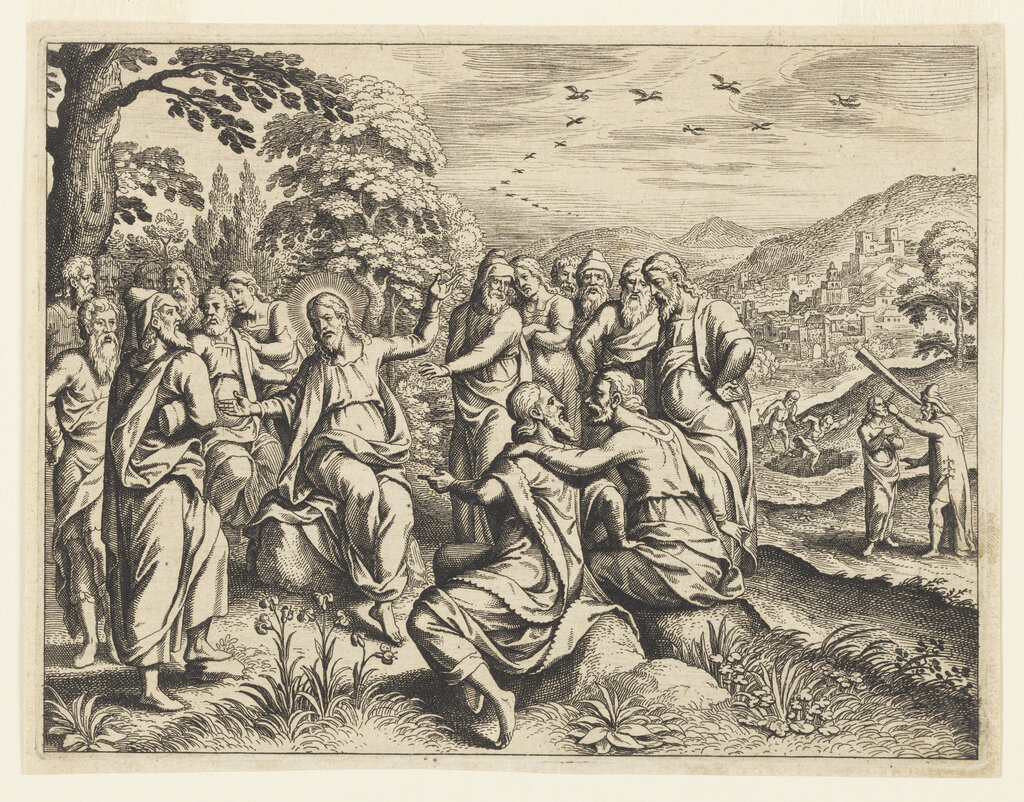
In a world that associated leadership with dominance and status, Jesus introduced a radical, upside-down approach. He told his followers, "Whoever wants to become great among you must be your servant... just as the Son of Man did not come to be served, but to serve" (Matthew 20:26-28). This is the core of servant leadership.
The most powerful act of Jesus's leadership wasn't commanding an army, but washing his disciples' feet—an act of profound humility and service.
Jesus led by teaching, by showing compassion, and by sacrificing himself for the good of others. His authority didn't come from a title or position, but from his character, his love, and his perfect obedience to the Father. He modeled a leadership that empowers, restores, and gives life.
For Christians, this is the standard. Leadership is not about being in charge, but about taking on the role of a servant. It means putting the needs of others first and using whatever influence you have to build them up.
Let's check your understanding of these foundational concepts.
According to the provided text, what is the essential blueprint for Christian leadership?
The leadership model of Jesus Christ, as described in Matthew 20:26-28, is best defined as:
Understanding these biblical examples is the first step in developing a leadership style that is both effective and faithful.