Choreographing the Ordinary
Understanding Everyday Movements
The Art of the Everyday
Performance isn't always about dramatic leaps or elaborate pirouettes. Sometimes, the most powerful movements are the ones we do every day without a second thought. The simple act of tying your shoes, sipping coffee, or walking up a flight of stairs holds its own kind of choreography.
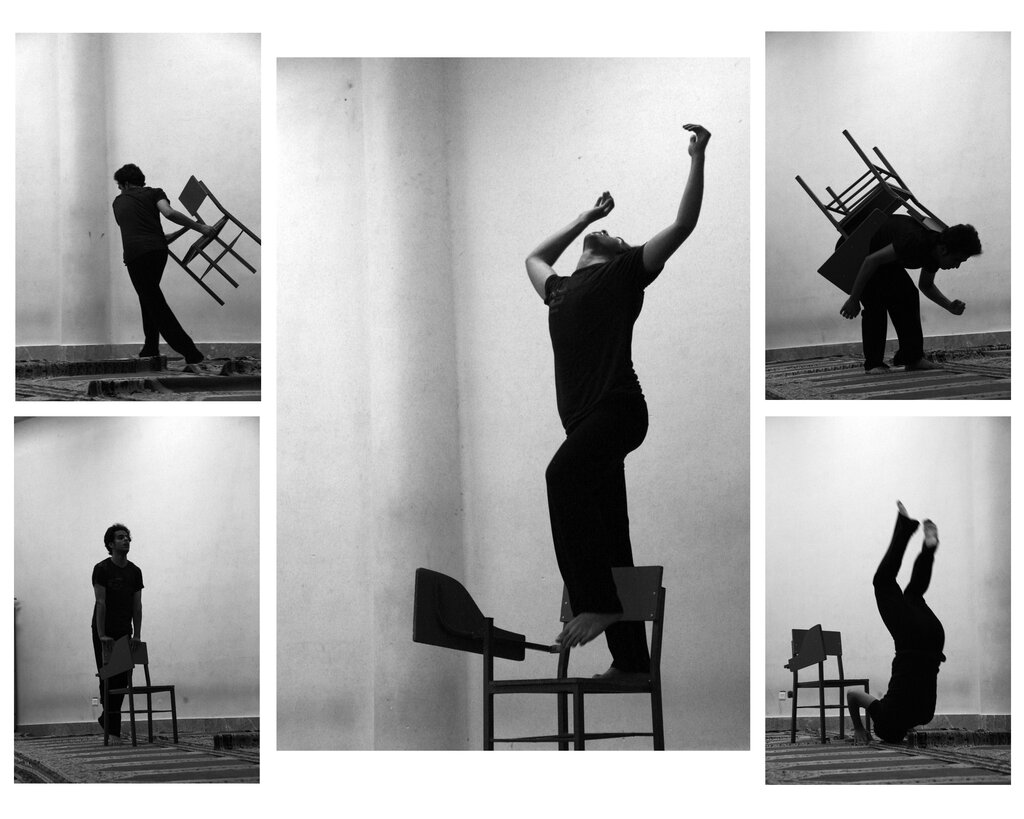
Artists and choreographers often look to these ordinary actions as a source of inspiration. By taking a mundane movement and placing it on a stage, they ask us to see it in a new light. The familiar becomes unfamiliar, and the routine becomes remarkable. This approach transforms everyday life into a performance, revealing the hidden beauty and meaning in our daily routines.
Finding Choreography in Routine
Everyday movements are the small, often unconscious physical actions that make up our daily lives. Think about your morning routine: the way you brush your teeth, the specific path you take through your kitchen, the gesture you use to open a door. These are all learned, repeated movements.
gesture
noun
A movement of part of the body, especially a hand or the head, to express an idea or meaning.
In performance, these gestures are treated as raw material. A choreographer might take the act of folding laundry and explore it through repetition, exaggeration, or by changing its speed. Suddenly, a simple chore can express ideas about domestic labor, care, or the passage of time. The context is what gives the movement its new meaning.
By isolating a daily gesture, you can analyze its rhythm, shape, and emotional weight. This is the first step in turning the mundane into a performance.
A Deeper Meaning
Using mundane actions in performance is more than just an artistic exercise. It can be a powerful social or political statement. When movements associated with specific types of labor, like typing on a keyboard or washing dishes, are performed on stage, it draws attention to the work itself. It can highlight invisible labor, question gender roles, or comment on the repetitive nature of modern life.
These performances challenge the idea of what “dance” or “theater” can be. They suggest that art is not separate from life but is embedded within it. The cultural significance of a handshake, the politics of taking up space on a crowded bus—all of these can be explored through performance.
Learn to choreograph accessible performance or documentation pieces by exploring the politics of everyday gestures, labor, care, and domestic movement through task-based scores, repetition, and mundane rituals, even with no prior dance experience.
How to Observe Movement
To use everyday movements, you first have to learn to see them. This requires a shift in perspective. Instead of just doing an action, you begin to analyze it. A great way to start is by keeping a movement journal.
For one day, pay close attention to a single, recurring action you perform. It could be opening doors, checking your phone, or sitting down in a chair. In your journal, describe the movement in detail. What parts of your body are involved? What is the speed and rhythm? What is the quality of the movement—is it sharp, soft, heavy, light? This practice of active observation is the foundation for creating performance from daily life.
Now that you've learned about the power of everyday movements, test your understanding.
What is the primary effect of placing a mundane, everyday movement on a stage for a performance?
A choreographer who takes the simple act of folding laundry and explores it through repetition, exaggeration, or by changing its speed is using the movement as what?
By looking closely at the world around you, you can find endless inspiration for creative expression, all hidden within the simple actions you perform every day.