Chopstick Mastery
Introduction to Chopsticks
More Than Just Utensils
Chopsticks are one of the world's oldest eating utensils, with a history stretching back at least 5,000 years in China. Initially, they weren't used for eating at all. Early chopsticks were simple twigs used to retrieve food from cooking pots, protecting fingers from heat and boiling water. Legend even credits their invention to Yu the Great, a mythical emperor who supposedly snapped twigs off a tree to pick hot food from a pot.
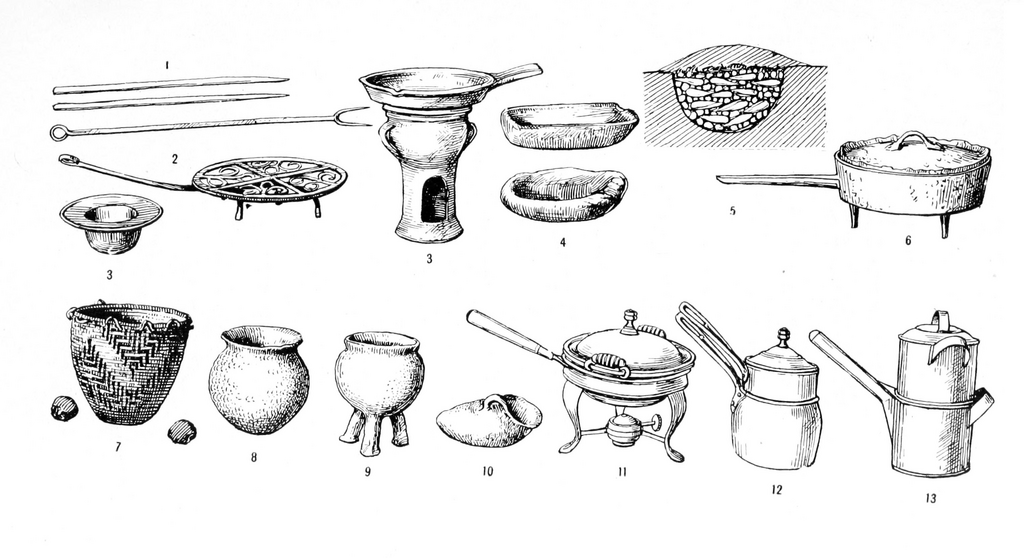
It took a few thousand years for chopsticks to move from the kitchen to the dinner table. Around 400 CE, a population boom across China meant resources were scarce. Cooks started chopping food into smaller, bite-sized pieces to conserve cooking fuel. This new way of eating made knives at the table obsolete and chopsticks the perfect tool for the job. Their use quickly spread throughout East Asia, with each culture adapting them to its own cuisine and customs.
A Tale of Three Countries
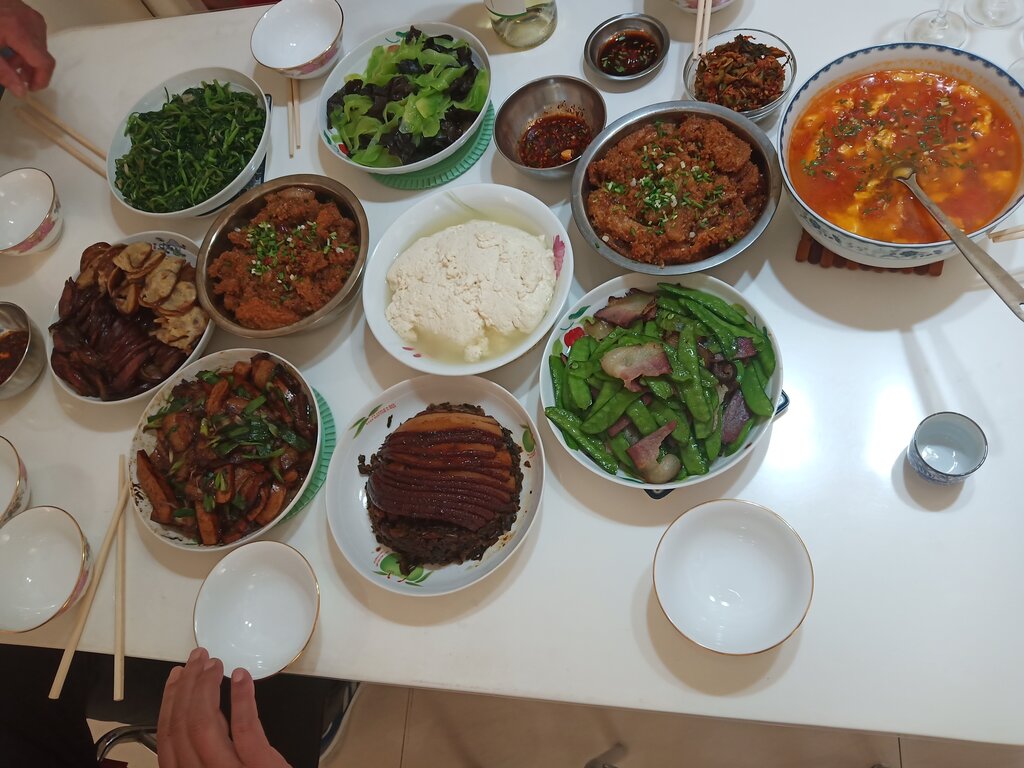
While the basic concept is the same, chopsticks vary significantly from country to country. In China, chopsticks are typically long, thick, and have blunt, squared-off ends. The length is a nod to the country's communal dining style, allowing diners to easily reach shared dishes in the center of the table. They are most commonly made from wood or bamboo.
chopsticks
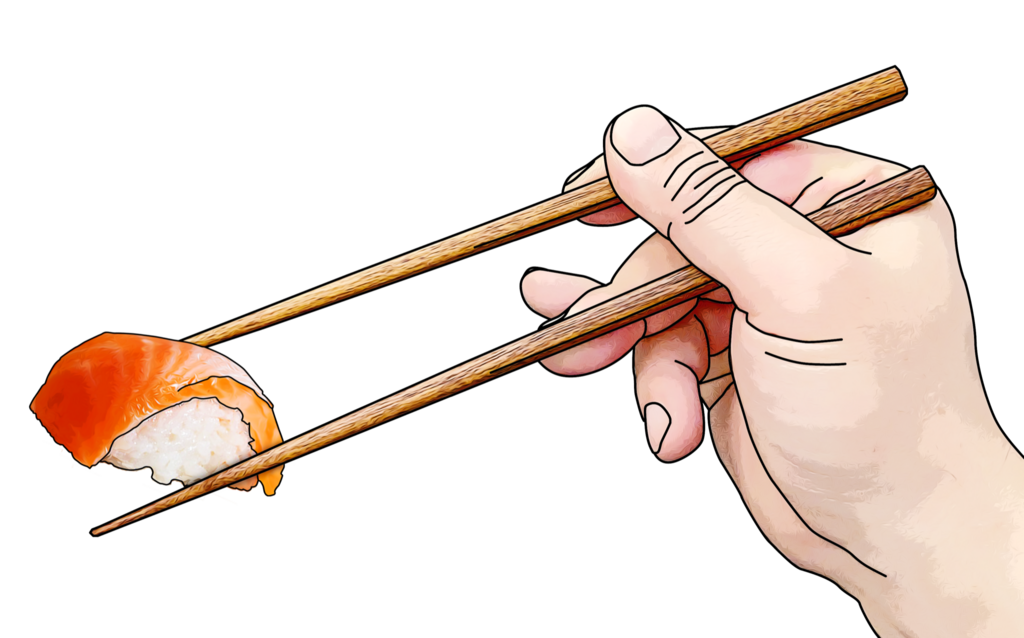
Travel to Japan, and you'll find chopsticks that are shorter and taper to a fine, pointed tip. Japanese cuisine often features whole fish, and the pointed ends are perfect for delicately removing bones. Japanese chopsticks are often works of art, made from lacquered wood and personalized for individual use. They are not meant to be shared.
chopsticks
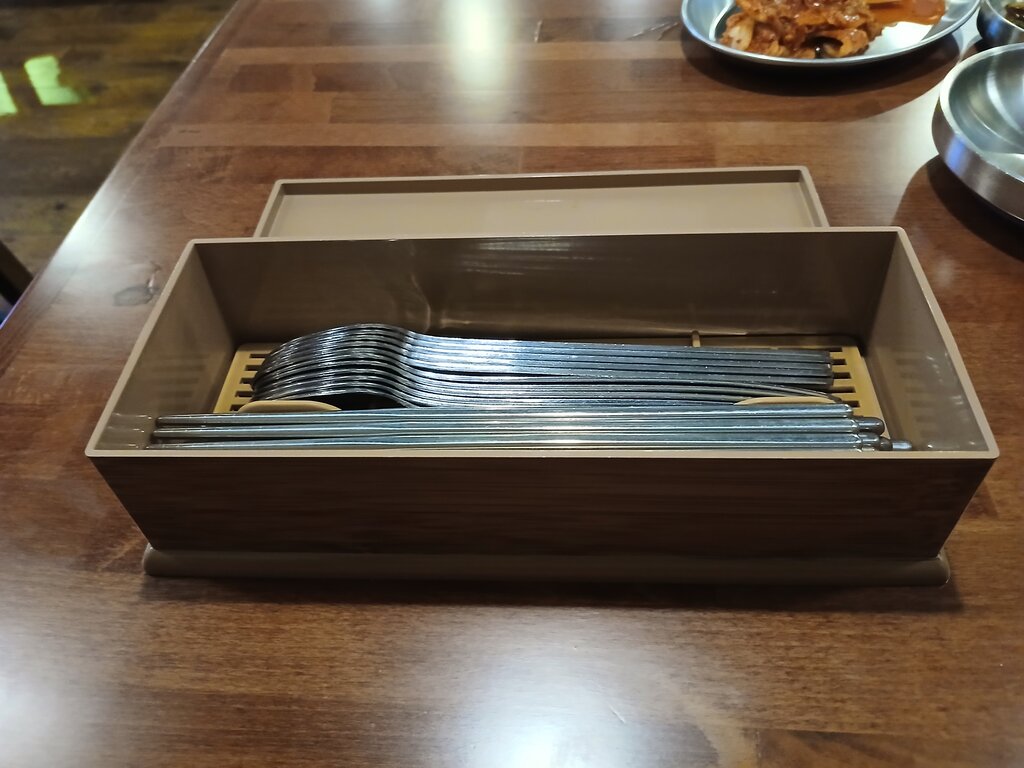
In Korea, chopsticks have their own unique identity. They are typically of medium length and are flat and rectangular, not round or square. Most distinctively, they are often made of metal, like stainless steel. This tradition dates back to the days of Korean royalty, who used silver chopsticks because they were believed to tarnish if they came into contact with poison. Korean meals also uniquely feature a long-handled spoon used for rice and soup, with chopsticks reserved for side dishes.
chopsticks
| Country | Length | Shape | Common Material |
|---|---|---|---|
| China | Long | Rectangular with blunt ends | Wood, Bamboo |
| Japan | Short to Medium | Round, tapering to a point | Lacquered Wood |
| Korea | Medium | Flat and rectangular | Metal |
Crafted for Every Occasion
Beyond regional styles, chopsticks come in a wide array of materials. Bamboo and wood are the most common for everyday use. They're inexpensive, lightweight, and provide a good grip on food. Plastic chopsticks are also popular for their durability and ease of cleaning.
For more formal occasions or as decorative items, chopsticks can be made from precious materials like jade, ivory, silver, or gold. These are often intricately carved or inlaid with mother-of-pearl, transforming a simple utensil into a piece of art.
Regardless of the material or style, the purpose remains the same: to be a simple, elegant extension of the hand for enjoying a meal.
Now that you know a bit about the history and variety of chopsticks, you're ready to start learning how to handle them.