Choosing Your Investment Broker
Understanding Investment Applications
Your Gateway to Investing
To buy or sell investments like stocks, bonds, or mutual funds, you need a special kind of account called a brokerage account. Think of it like a bank account, but instead of just holding cash, it holds your investments. It's the platform that connects you to the financial markets, allowing you to build your portfolio.

These accounts are offered by brokerage firms, or "brokers." In the past, you had to call a person on the phone to place a trade. Today, most investors use online platforms or mobile apps. But not all brokers are the same. They offer different levels of service at different costs, and choosing the right one depends entirely on your needs.
Types of Brokers
Brokers generally fall into three categories: full-service brokers, discount brokers, and robo-advisors. Each one caters to a different type of investor.
| Feature | Full-Service Broker | Discount Broker | Robo-Advisor |
|---|---|---|---|
| Best For | Investors seeking comprehensive financial advice and management. | DIY investors who want control over their trades. | Hands-off investors who prefer automated management. |
| Cost | Highest | Lowest | Low to moderate |
| Human Advice | Dedicated financial advisor | Limited or none | Limited or none |
| Services | Personalized portfolio management, financial planning, tax advice. | Trading platform, research tools, educational resources. | Automated portfolio management based on algorithms. |
Let's look at each type more closely.
Full-Service Brokers are the traditional model. They provide a dedicated financial advisor who offers personalized advice on everything from retirement planning to estate management. This high-touch service comes with higher fees, often a percentage of the assets you have with them. It's a good fit if you have a complex financial situation or want a professional to manage your strategy.
Full-service brokers offer a complete financial partnership, guiding you through major life and investment decisions.
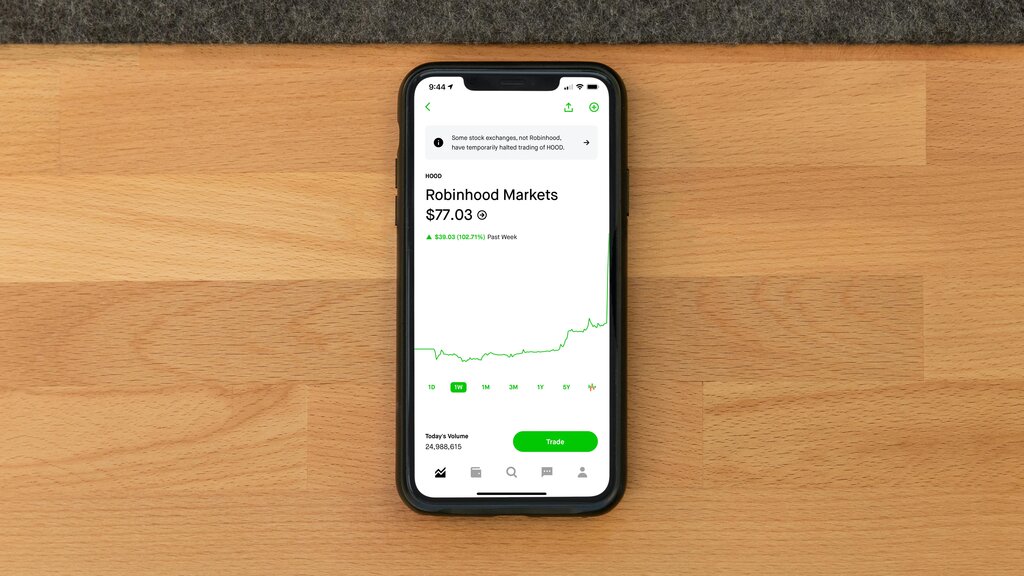
Discount Brokers are the most common choice today, especially with the rise of investment apps. They provide the tools for you to buy and sell investments on your own. You are in the driver's seat. While they don't offer personalized advice, they typically provide extensive research tools, data, and educational content to help you make informed decisions. Their low-cost, do-it-yourself model is ideal for investors who are comfortable managing their own portfolio.
Robo-Advisors are a newer, technology-driven option. They use computer algorithms to build and manage a diversified investment portfolio for you. You typically start by answering a questionnaire about your financial goals, timeline, and risk tolerance. Based on your answers, the robo-advisor automatically invests your money and adjusts the portfolio over time. This approach offers a simple, low-cost, and hands-off way to invest, making it great for beginners or anyone who wants to "set it and forget it."
Finding the Right Fit
Choosing a broker is a personal decision. There's no single "best" option, only the one that's best for you. Your choice should align with your investment style, goals, and how much guidance you want.
The right brokerage for you will depend on several factors, including your investment type and the important features.
Ask yourself a few questions:
- How involved do I want to be? If you enjoy research and want full control, a discount broker is a great choice. If you'd rather delegate the decision-making, a robo-advisor or full-service broker might be better.
- How much help do I need? If you're new to investing or have a complicated financial life, the guidance from a full-service broker could be invaluable. If you're confident in your knowledge, a discount broker's tools may be all you need.
- What is my budget for fees? Fees can impact your long-term returns. Be mindful of the costs associated with each type of broker.
The goal is to find a platform that empowers you to invest confidently. Whether you need a dedicated guide, a powerful set of DIY tools, or an automated system, there's a brokerage account out there that fits your needs.
What is the primary function of a brokerage account?
An investor who is new to the market and wants a low-cost, automated, "set it and forget it" portfolio management solution would likely be best served by a ______.