Choosing Your Investment App
Investment Basics
What is Investing?
Think of investing as putting your money to work. Instead of just sitting in a bank account, your money buys things that have the potential to grow in value over time. The goal is simple: end up with more money than you started with.
Investing is the process of using money to buy an asset you believe will generate a return.
This return can come in two main forms. The asset might increase in price, allowing you to sell it for a profit later. Or, it might pay you an income over time, like a company sharing its profits with you. Either way, your wealth is growing.
The Building Blocks
Investments come in different flavors called asset classes. Each has its own characteristics and level of risk. Let's look at three common ones.
Stock
noun
A type of security that signifies ownership in a corporation and represents a claim on part of the corporation's assets and earnings.
When you buy a stock, you're buying a small piece of a company. If that company does well, the value of your piece can go up. Some companies also share their profits with stockholders through payments called dividends.
Bond
noun
A fixed-income instrument that represents a loan made by an investor to a borrower (typically corporate or governmental).
Buying a bond is like giving a loan. A company or government borrows your money for a set period. In return, they pay you interest. At the end of the period, you get your original money back. Bonds are generally considered less risky than stocks.
A mutual fund is essentially a basket holding many different investments, like stocks and bonds, all picked by a professional.
Instead of buying individual stocks or bonds yourself, you can buy into a mutual fund. This instantly diversifies your money across many assets, which helps spread out your risk. If one investment in the fund does poorly, others might do well and balance it out.
| Asset Class | What it is | How you can make money |
|---|---|---|
| Stocks | A piece of ownership in a company | Price of the stock goes up, or from dividend payments. |
| Bonds | A loan to a company or government | Regular interest payments and return of the original loan. |
| Mutual Funds | A basket of many investments | The overall value of the fund's assets increases. |
The Classic Trade-Off
Every investment involves a trade-off between risk and return. This is one of the most important concepts in finance.
All investments carry risk.
Risk is the chance that you could lose money on your investment. Some investments are very safe, while others are much riskier.
Return is the money you make on an investment. Higher returns are obviously better, but they don't come for free.
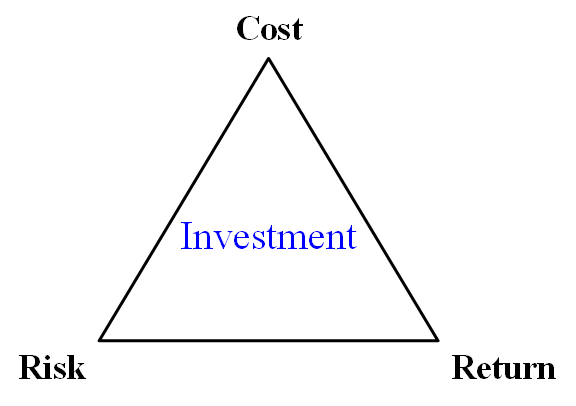
Generally, investments with the potential for higher returns also come with higher risk. A brand-new tech company could make you a fortune if it succeeds, but there's also a high chance it could fail and your investment would become worthless. On the other hand, a government bond offers much lower returns, but the risk of losing your money is extremely small.
Understanding your own comfort level with this trade-off is a key part of becoming an investor. It helps you choose the right mix of asset classes for your personal financial goals.
Now that you've got the basics down, let's see what you've learned.
What is the primary goal of investing?
Which of these best describes buying a stock?
Knowing these fundamental concepts is the first step toward making informed decisions about your money and how to make it grow.