Choosing Your Investment App
Understanding Investment Apps
What Are Investment Apps?
An investment app is a software application for your phone or computer that lets you buy, sell, and manage investments. Think of it as a financial toolkit in your pocket. Instead of calling a stockbroker or visiting a bank, you can trade stocks, invest in funds, and track your portfolio's performance with just a few taps.
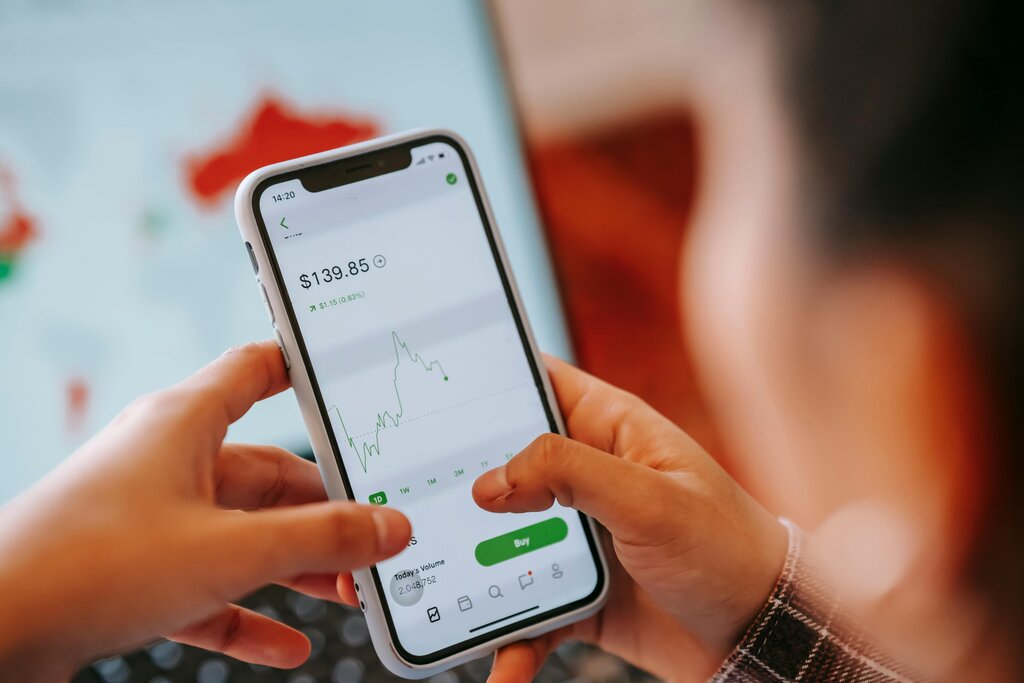
The main goal of these apps is to make investing more accessible. For a long time, the world of investing felt closed off, reserved for the wealthy or financially savvy. Apps changed that by lowering the barrier to entry. Many allow you to start with small amounts of money, and they present financial information in a way that's easier for beginners to understand.
From Trading Floors to Your Fingertips
Not too long ago, investing involved a lot of paperwork and phone calls. You'd have a personal broker who would place trades on your behalf, often for a hefty commission. The rise of the internet in the 1990s brought about the first online brokerage platforms, which moved the process from the phone to the desktop computer. This was a big step, but you were still tied to your desk.
The smartphone revolution took it a step further. As mobile apps became a central part of daily life, financial companies developed platforms that put the power of a trading desk into the palm of your hand. This shift dramatically opened up the market, allowing almost anyone with a smartphone and a bank account to start investing, a process often called the "democratization" of finance.
Two Flavors of Investing Apps
While there are countless investment apps, they generally fall into two main categories: self-directed platforms and robo-advisors. Your choice depends on how hands-on you want to be.
Self-directed platforms give you full control. You pick the specific stocks, ETFs, or other assets you want to buy and sell. These apps are great for people who enjoy doing their own research and want to be actively involved in managing their investments.
Robo-advisors, on the other hand, do the heavy lifting for you. These platforms use algorithms to build and manage a diversified portfolio based on your financial goals and risk tolerance. You answer a few questions, and the app's technology handles the rest. This is a popular choice for those who prefer a more hands-off, automated approach.
| Feature | Self-Directed Platforms | Robo-Advisors |
|---|---|---|
| Control | You make all investment decisions. | The app manages your portfolio automatically. |
| Best For | Hands-on investors who enjoy research. | Hands-off investors who want automation. |
| How it Works | You execute individual trades. | It builds a portfolio based on your goals. |
Benefits and Drawbacks
Investment apps offer some clear advantages. Their biggest benefit is accessibility. You can invest from anywhere at any time, and many apps have very low or no minimum investment requirements. They are also cost-effective, with many offering commission-free trades, which is a significant saving compared to traditional brokerage fees.
With low or zero minimums, intuitive design, educational content and low fees, these apps can help new investors enter the market with more confidence and ease.
However, there are potential downsides to consider. The ease of trading can sometimes lead to emotional decisions. Watching your investments fluctuate in real-time can be stressful, and the temptation to buy or sell impulsively during market swings is a real risk.
Another point of caution is oversimplification. While a user-friendly interface is a plus, it can sometimes make complex financial products seem deceptively simple, masking the underlying risks. It’s important to understand what you're investing in beyond the sleek charts and graphics.
Finally, security is paramount. Since these apps handle sensitive personal and financial information, using a strong, unique password and enabling two-factor authentication is crucial to protect your account.
Ready to check your understanding?
What is the primary goal of modern investment apps?
An investor who wants a hands-off, automated approach to managing their portfolio would likely choose a ____.
Investment apps have fundamentally changed how people interact with financial markets, offering powerful tools that fit in your pocket.