Choosing Your First CRM
Introduction to CRM Systems
What Is a CRM?
At its heart, a Customer Relationship Management (CRM) system is a tool that helps businesses organize and manage their interactions with customers. Think of it like a super-powered address book. It doesn't just store names and numbers; it keeps a detailed record of every conversation, purchase, and support ticket for every single customer.
Customer Relationship Management (CRM) is a technology-driven approach that enables businesses to manage their interactions and relationships with customers.
The main goal is to put all customer information in one central place. This way, anyone in the company, from sales to support, can quickly get up to speed on a customer's history. This shared knowledge helps build stronger, more consistent relationships.
Core Features
While CRMs can vary, most share a few fundamental features that make them powerful tools for any business.
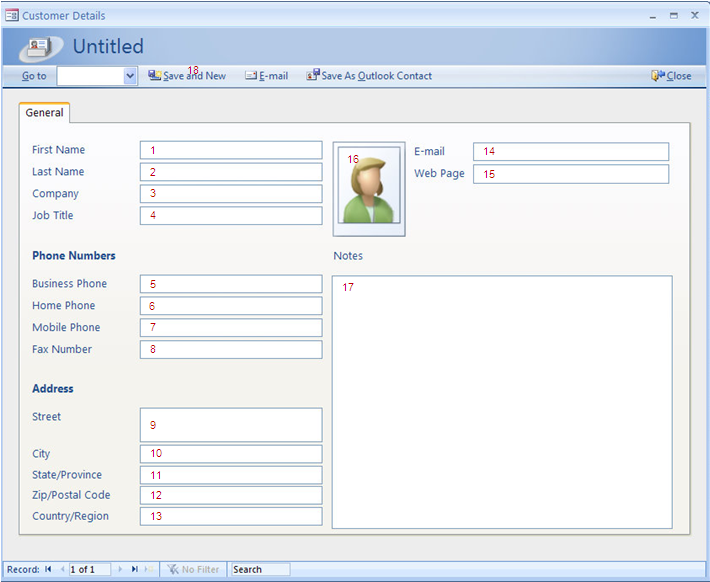
Contact Management This is the foundation. A CRM stores comprehensive details about every customer, including their contact information, company, job title, and a complete history of all interactions. Every email, phone call, and meeting can be logged, creating a single source of truth.
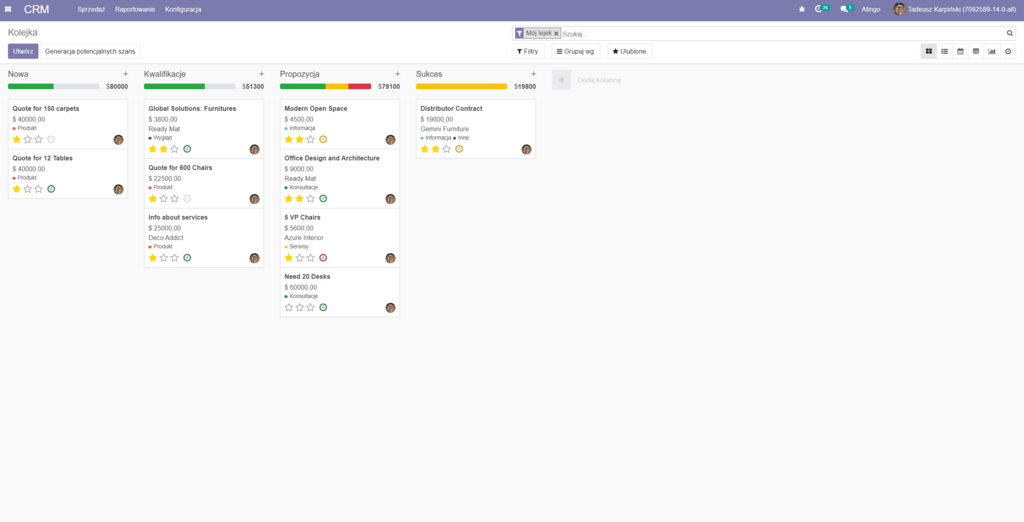
Sales Tracking CRMs help businesses manage their sales pipeline, which is the journey a potential customer takes from initial contact to a final purchase. It tracks leads and opportunities through different stages, such as "New," "Qualified," and "Proposal Sent." This gives companies a clear view of their sales health and helps them forecast future revenue.
Lead
noun
A person or organization that has expressed interest in your product or service.
Communication Tools Many CRMs integrate directly with email and calendar applications. This allows teams to send emails, schedule meetings, and set follow-up reminders without ever leaving the CRM. All this activity is automatically logged on the customer's contact record, ensuring no detail is lost.
Why Bother with a CRM?
Using a CRM isn't just about keeping organized. It fundamentally changes how a business operates, leading to significant benefits.
Better Collaboration When all customer data lives in one shared system, teamwork improves dramatically. A support agent can see if a customer has an open deal with a salesperson, and a salesperson can see if a customer recently had a problem solved. This prevents miscommunication and creates a seamless customer experience.
Enhanced Customer Relationships With a full history at their fingertips, employees can have more meaningful and personalized conversations with customers. Remembering past purchases or previous issues makes customers feel valued and understood, which builds loyalty over time.
A well-implemented CRM empowers you to understand your customers on a deeper level and deliver experiences that make each individual feel like a VIP.
Data-Driven Decisions CRMs are treasure troves of data. They generate reports on everything from sales performance to customer service response times. This information helps leaders identify what’s working and what isn't, allowing them to make strategic decisions based on hard data instead of guesswork.
Ready to test your knowledge?
What is the primary goal of a Customer Relationship Management (CRM) system?
How does a CRM primarily support making data-driven decisions?
In short, a CRM helps businesses of all sizes manage their most important asset: their customer relationships.