Choosing the Right VPN
Introduction to VPNs
Your Private Tunnel on the Internet
Think of the internet as a busy public highway. When you visit a website, your device sends out a request, like a car driving to a destination. Anyone watching the highway, like your Internet Service Provider (ISP), can see where your car is coming from and where it's going.
A Virtual Private Network, or VPN, creates a private, encrypted tunnel for your car to travel through. Instead of driving on the public highway for everyone to see, your traffic is shielded from view. This makes your online activity much more secure and private.
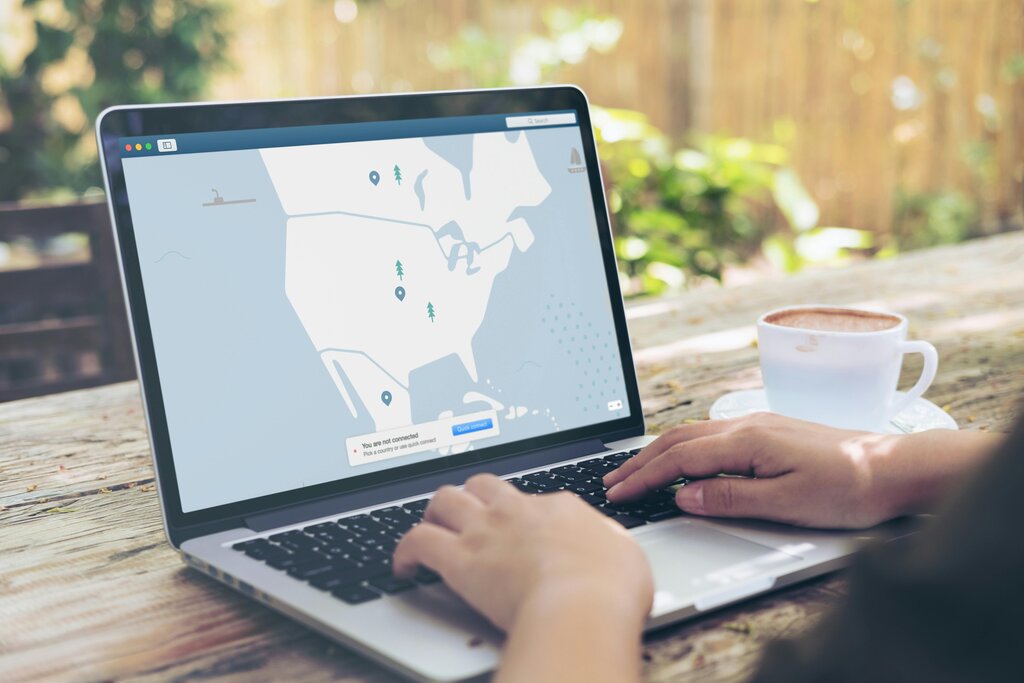
When you connect to a VPN, your device first establishes a secure link to a server operated by the VPN provider. All your internet traffic is routed through this server. This process does two key things:
- It encrypts your data. Encryption scrambles your data, making it unreadable to anyone who might intercept it. If someone tried to peek at your traffic, they would just see gibberish.
- It hides your IP address. Your IP address is a unique identifier for your device on the internet, much like a home address. The VPN replaces your IP address with its own. Websites you visit will see the VPN server's IP address, not yours, which helps protect your location and identity.
This diagram shows the difference. Without a VPN, your ISP can monitor your browsing. With a VPN, your traffic is hidden inside an encrypted tunnel, protecting it from prying eyes.
Why Use a VPN?
People use VPNs for several reasons, but most boil down to privacy and security. Here are some of the most common situations where a VPN is helpful.
Securing Public Wi-Fi: When you use Wi-Fi at a coffee shop, airport, or hotel, you're on a public network. These networks are often unsecured, making it easier for hackers to snoop on your activity. A VPN encrypts your connection, keeping your data safe even on risky networks.
Connecting to public Wi-Fi without protection is like having a conversation in a crowded room. Anyone can potentially overhear what you're saying. A VPN is like stepping into a private room to have that same conversation.
Protecting Your Privacy: Your ISP can see every website you visit. In some countries, they are even allowed to sell this browsing data to advertisers. A VPN prevents your ISP from seeing your online activity, giving you a greater degree of privacy.
While a VPN hides your activity from your ISP, it's important to remember that the VPN provider can see your traffic. This is why choosing a reputable VPN service with a strict no-logs policy is crucial. A no-logs policy means the provider doesn't store any records of your online activity.
Accessing Content: Sometimes, content like streaming shows or websites is only available in certain countries. This is known as geo-restriction. Because a VPN can make it appear as though you are browsing from a different location, you can use it to access content that would otherwise be unavailable in your region.
VPNs are powerful tools for enhancing your online safety. By creating a secure, private tunnel for your internet traffic, they protect your data and give you more control over your digital footprint.
What is the primary function of a Virtual Private Network (VPN)?
When you use a VPN, which IP address do the websites you visit see?