Choosing the Right Investment App
Investment App Basics
Investing in Your Pocket
Investment apps are software on your phone or tablet that let you buy, sell, and manage investments. Think of them as a gateway to the financial markets, shrunk to fit in your hand. Their main purpose is to make investing accessible to everyone, not just seasoned professionals on a trading floor.

Before these apps, you'd likely need to call a stockbroker or use a complicated desktop platform to invest. Now, you can build a portfolio while waiting for your coffee. This shift has opened up wealth-building opportunities for a much wider audience.
Common Features
While every app has its own look and feel, most share a core set of features designed to make investing straightforward. At the most basic level, they allow you to deposit money and use it to buy and sell assets with just a few taps.
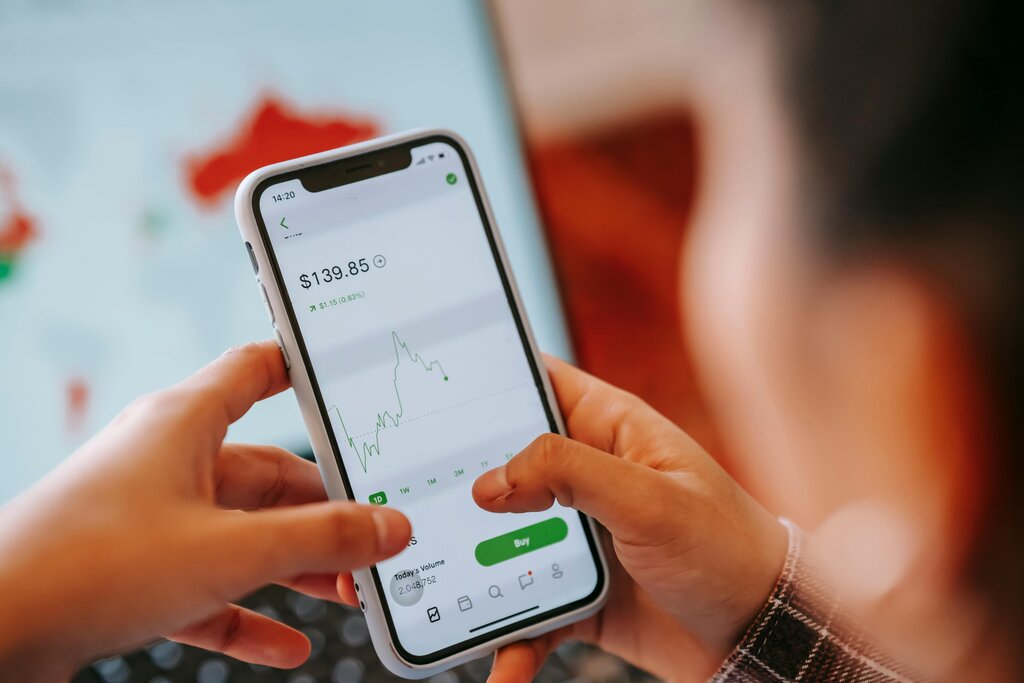
You can also track the performance of your investments in real time. Most apps provide charts and simple dashboards showing whether your portfolio's value is going up or down. Many also offer educational articles and tutorials to help you learn as you go.
One popular feature is automated investing. You can set up recurring deposits, like $50 every Monday, to invest automatically. This helps build your portfolio over time without you having to think about it constantly.
The types of investments available vary by app, but they often include stocks (shares of a company), ETFs (bundles of different stocks or other assets), and sometimes cryptocurrencies.
The Good and The Bad
Like any tool, investment apps come with their own set of pros and cons.
With low or zero minimums, intuitive design, educational content and low fees, these apps can help new investors enter the market with more confidence and ease.
On the plus side, their biggest advantage is accessibility. You don't need a lot of money to start; some apps let you begin with just a few dollars. They're also designed to be incredibly user-friendly, removing much of the jargon and complexity that once made investing feel intimidating. The convenience of managing your money from anywhere is another huge benefit.
However, there are potential drawbacks. Some apps have a limited selection of investments. If you're looking for something specific, like certain mutual funds or bonds, you might find the options on a simpler app are too narrow. Another thing to watch for is the fee structure. While many apps advertise commission-free trading, they might charge other fees, like for withdrawals, account maintenance, or through the "spread" on trades. It's important to understand how the app makes money.
Finally, the same simplicity that makes apps easy to use can also encourage impulsive decisions. The gamified design of some platforms might lead users to trade more frequently than is wise, without doing enough research.
Time to check what you've learned.
What is the primary goal of most modern investment apps?
A feature that allows you to set up a regular, automatic transfer of money into your investments, like $50 every week, is known as...
Understanding these fundamentals is the first step. By knowing what investment apps offer and where their limitations lie, you're better equipped to find a tool that fits your personal financial goals.