Choosing the Right AI
Introduction to AI
What Is Artificial Intelligence?
Artificial intelligence, or AI, is about making machines smart. The goal is to create computer systems that can perform tasks that typically require human intelligence. This includes things like learning from experience, solving problems, understanding language, and recognizing objects in images.
Artificial Intelligence
noun
The theory and development of computer systems able to perform tasks that normally require human intelligence, such as visual perception, speech recognition, decision-making, and translation between languages.
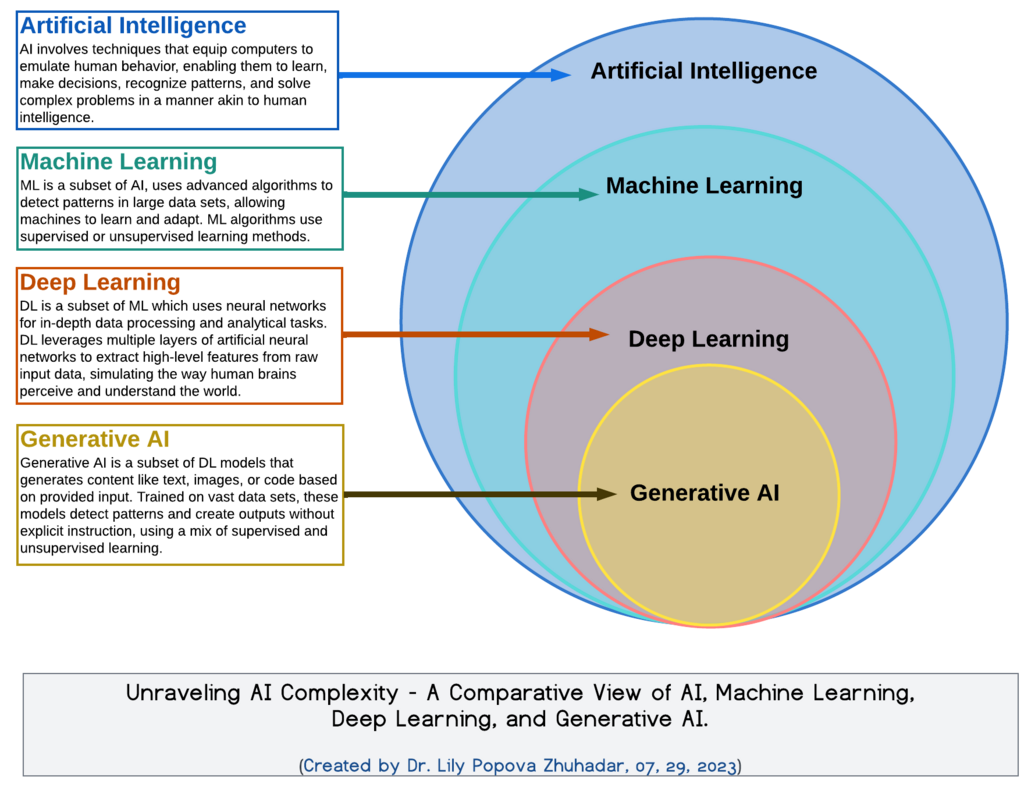
Think of it as a broad field of computer science. Inside this field, there are several key areas that make AI possible. You'll often hear terms like machine learning and deep learning mentioned alongside AI. They are all related, but not quite the same thing.
A Quick History
The idea of intelligent machines has been around for centuries, but the modern field of AI began in the 1950s. The term "artificial intelligence" was officially coined at a workshop at Dartmouth College in 1956. Early researchers were very optimistic, believing that a machine as intelligent as a human being would exist in just a few decades.
Progress wasn't always a straight line. The field went through periods of high funding and excitement, followed by "AI winters" when progress stalled and funding dried up. But in recent years, two things have changed the game: the availability of massive amounts of data and huge increases in computing power. This combination has fueled the rapid advancements we see today.

Narrow vs. General AI
Not all AI is created equal. Today, we can categorize AI into two main types: narrow and general.
Artificial Narrow Intelligence (ANI), sometimes called Weak AI, is what we have right now. This type of AI is designed and trained for one specific task. Your smart assistant, a chess-playing computer, or the AI that recommends movies to you are all examples of ANI. They can be incredibly good at what they do, often surpassing human ability, but they can't operate outside of their specific domain.
For instance, an AI that's an expert at playing Go can't suddenly decide to write a poem or diagnose a disease.
Artificial General Intelligence (AGI), or Strong AI, is different. This is the type of AI you often see in science fiction. AGI would have the ability to understand, learn, and apply knowledge across a wide range of tasks at a human level. It could solve complex problems, think abstractly, and be creative. We are still a long way from achieving true AGI.
| Feature | Artificial Narrow Intelligence (ANI) | Artificial General Intelligence (AGI) |
|---|---|---|
| Scope | Performs a single, specific task. | Can perform any intellectual task a human can. |
| Current Status | Widely used today. | Theoretical and in early research. |
| Example | Facial recognition, language translation. | A robot that can learn and reason like a human. |
The Engine Behind AI
So how do we get machines to learn? The most common approach today is through machine learning (ML), which is a subfield of AI. Instead of programming a computer with explicit rules for a task, machine learning allows the computer to learn from data.
Imagine trying to teach a computer to recognize a cat. Instead of writing code to define "pointy ears," "whiskers," and a "tail," you would show it thousands of pictures of cats. The ML model learns the patterns from the data and eventually can identify a cat in a new picture it has never seen before.
Machine learning is about recognizing patterns in data.
A powerful type of machine learning is deep learning. Deep learning uses structures called neural networks, which are inspired by the human brain. A neural network is made up of layers of interconnected nodes, or "neurons."
Each layer processes information and passes it on to the next. The first layer might recognize simple features like edges or colors in an image. The next layer might combine those edges to recognize shapes like eyes or noses. The final layer puts it all together to identify the object, like a cat. The "deep" in deep learning refers to having many layers in the network.
These core concepts—AI, machine learning, and neural networks—are the building blocks of the intelligent systems that are increasingly becoming part of our daily lives. Now, let's test your understanding.
What is the primary goal of artificial intelligence?
Which statement best describes the relationship between AI, machine learning (ML), and deep learning?
Understanding these fundamental ideas is the first step in seeing how AI is shaping our world.