Cholinergic Crisis Management
Introduction to Cholinergic Pharmacology
The Messenger Molecule
Your nervous system is a vast communication network, and like any network, it relies on messengers. One of the most important is acetylcholine, often abbreviated as ACh. It’s a neurotransmitter, a chemical that carries signals from one neuron to the next, or from a neuron to a muscle cell.
acetylcholine
noun
A primary neurotransmitter in the body that transmits signals between nerve cells and from nerve cells to muscles and glands.
ACh isn't just floating around, waiting to be used. It has to be built first. Nerve cells create it by combining two smaller molecules: choline, which we get from our diet, and acetyl coenzyme A, which is produced during metabolism. An enzyme called choline acetyltransferase acts as the construction worker, putting these two pieces together.
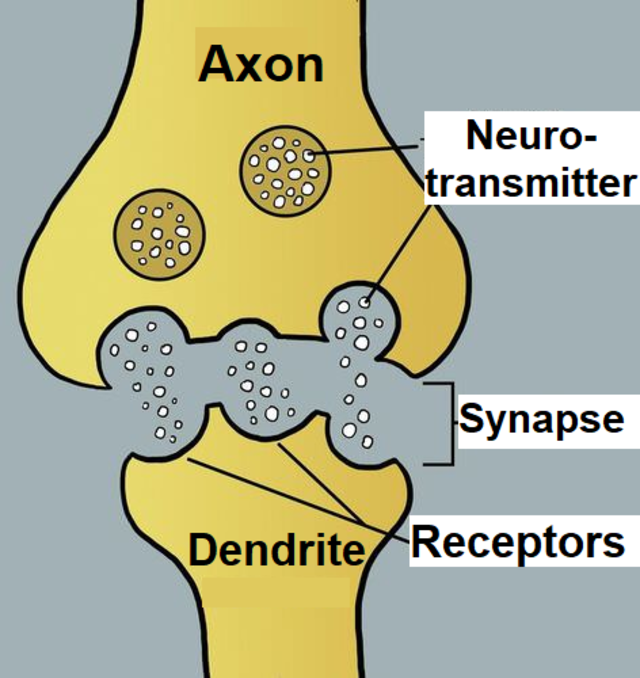
Once synthesized, ACh is carefully packaged into tiny bubbles called synaptic vesicles inside the nerve terminal. When an electrical signal, or action potential, travels down the nerve and reaches the terminal, it triggers these vesicles to fuse with the cell membrane. This fusion releases thousands of ACh molecules into the tiny gap between neurons, known as the synaptic cleft.
Receiving the Signal
Releasing ACh into the synapse is like sending a text message. For the message to be received, there has to be a phone on the other end to pick it up. In the nervous system, these receivers are called receptors. Cholinergic receptors are proteins on the surface of the next cell that are specifically shaped to bind with acetylcholine.
When ACh binds to its receptor, it causes a change in the receiving cell, passing the signal along. There are two main families of cholinergic receptors, named after chemicals that were first used to identify them: nicotinic and muscarinic.
| Receptor Type | How It Works | Common Locations |
|---|---|---|
| Nicotinic | Directly opens an ion channel, allowing ions like sodium to flow in. This causes a rapid, short-lived electrical response. | Nerve-muscle junctions, central nervous system, autonomic ganglia. |
| Muscarinic | Activates a more complex, multi-step process inside the cell (a G-protein coupled pathway). The response is slower and can last longer. | Organs stimulated by the parasympathetic nervous system (like the heart, lungs, and gut), central nervous system. |
The distinction is important because the type of receptor determines the effect of the acetylcholine signal. A signal at a nicotinic receptor in a muscle causes a quick contraction, while a signal at a muscarinic receptor in the heart can slow the heart rate.
Cleaning Up the Synapse
After a message is sent and received, it's crucial to end the signal. If acetylcholine lingered in the synaptic cleft, it would continuously stimulate the receptors, preventing any new, distinct signals from getting through. It would be like a phone that won't stop ringing.
The nervous system has a highly efficient cleanup crew for this job: an enzyme called acetylcholinesterase (AChE).
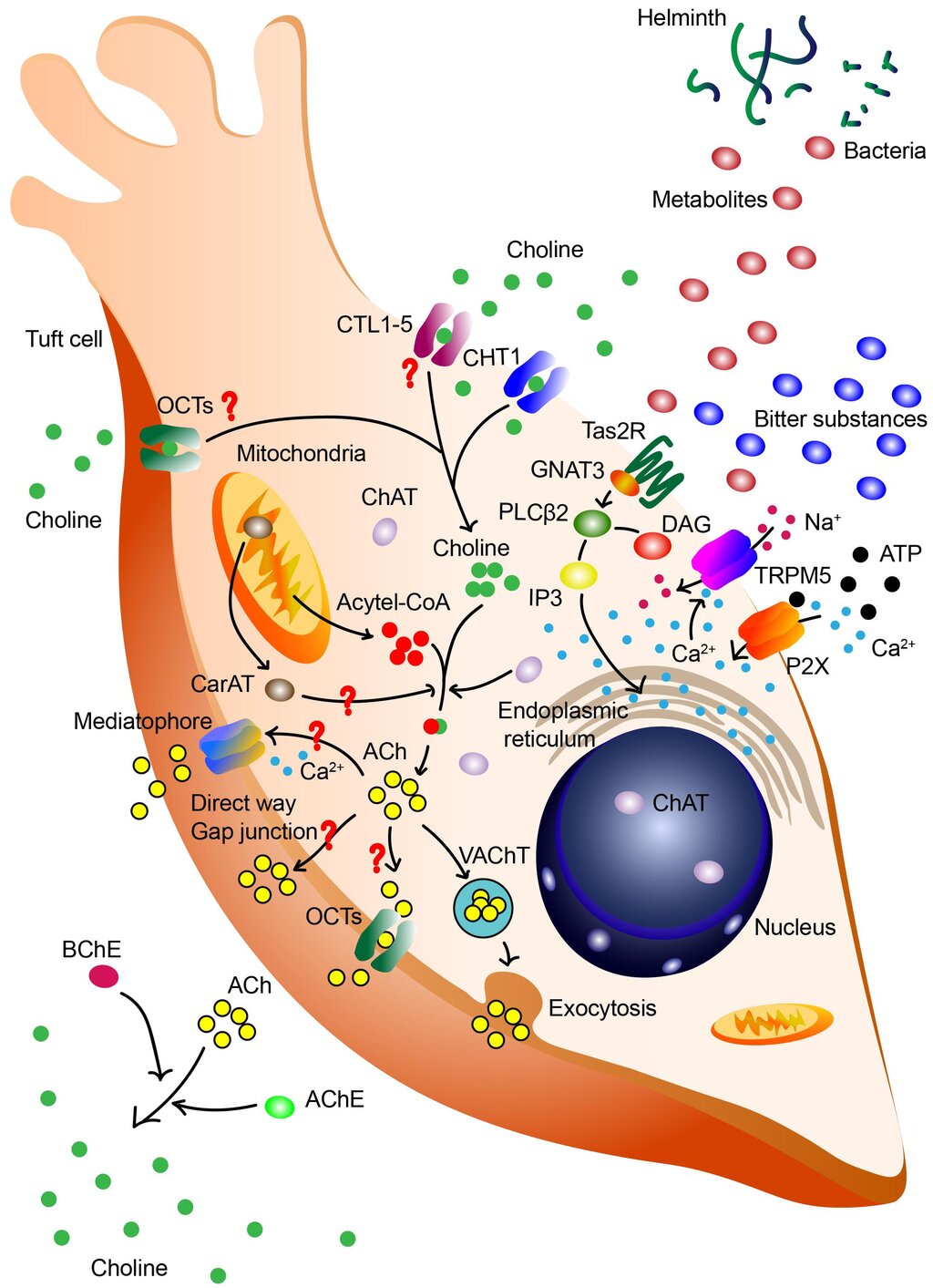
AChE resides in the synaptic cleft and works with incredible speed. It grabs onto acetylcholine molecules and breaks them down into their original components, choline and acetic acid. The signal is terminated almost as soon as it begins.
The choline is then reabsorbed by the presynaptic nerve terminal to be recycled into new acetylcholine, ready for the next signal. This process is both fast and efficient.
So what happens if this cleanup process is blocked? If acetylcholinesterase is inhibited, acetylcholine isn't broken down. It accumulates in the synapse, leading to excessive and prolonged stimulation of both nicotinic and muscarinic receptors. This overstimulation disrupts the normal flow of information in the nervous system.
What are the two primary components used by nerve cells to create acetylcholine?
What is the primary function of the enzyme acetylcholinesterase (AChE)?