Cholesterol Explained
Cholesterol Basics
Cholesterol Isn't Just One Thing
You’ve probably heard about cholesterol, often in the context of health and diet. But what is it, really? Cholesterol is a waxy, fat-like substance that’s found in every cell of your body. Your body needs it to perform important jobs, like making hormones, vitamin D, and substances that help you digest foods. While your liver produces all the cholesterol you need, you also get it from some of the foods you eat.
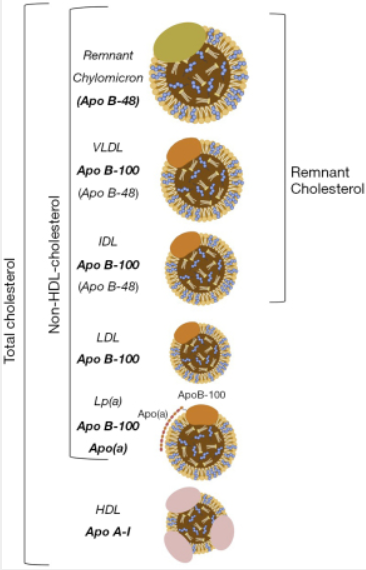
The key thing to understand is that cholesterol can't travel through your bloodstream on its own because it doesn't mix with blood, which is mostly water. To move around, it needs a carrier. These carriers are called lipoproteins.
lipoprotein
noun
A particle made of fat (lipid) and protein that transports fats like cholesterol and triglycerides through the bloodstream.
When people talk about their cholesterol levels, they're usually referring to the different types of lipoproteins carrying cholesterol in their blood. Let's break down the main players.
Meet the Lipoproteins
There are several types of lipoproteins, but two are especially important for your health: low-density lipoprotein (LDL) and high-density lipoprotein (HDL). You might have heard them called “bad” and “good” cholesterol, respectively. A third type of fat, triglycerides, is also measured in a standard cholesterol test.
LDL (Low-Density Lipoprotein): Often called “bad” cholesterol, LDL transports cholesterol particles throughout your body. Think of it as the delivery service. Its job is to drop off cholesterol at cells that need it.
HDL (High-Density Lipoprotein): Known as “good” cholesterol, HDL acts as a cleanup crew. It absorbs excess cholesterol from your tissues and blood vessels and carries it back to the liver, which then flushes it from the body.
Triglycerides: These are a different type of fat than cholesterol. When you eat, your body converts any calories it doesn't need to use right away into triglycerides. They are stored in your fat cells and released for energy between meals.
Why the Labels Matter
So why is one “good” and the other “bad”? It comes down to their function. LDL's job is delivery. When you have too much LDL cholesterol in your blood, it can build up on the walls of your arteries, a process that can lead to health problems down the road. That’s why it gets the “bad” label.
HDL, on the other hand, performs the crucial role of removing that excess cholesterol. A healthy level of HDL can help protect against artery blockage. This protective role earns it the “good” label.
| Type | Common Name | Primary Role |
|---|---|---|
| LDL | Bad Cholesterol | Delivers cholesterol to cells. |
| HDL | Good Cholesterol | Removes excess cholesterol and returns it to the liver. |
| Triglycerides | N/A | Stores unused calories to provide energy. |
While triglycerides aren't cholesterol, they are another important type of fat in your blood. High levels are often associated with the same factors that contribute to high cholesterol. Understanding these three components gives you a clearer picture of what's happening inside your circulatory system.
Ready to test your knowledge? Let's see what you've learned about the fundamentals of cholesterol.
What is a primary function of cholesterol in the human body?
Why is HDL (High-Density Lipoprotein) often referred to as “good” cholesterol?
Understanding these basic definitions is the first step in learning how to manage your cardiovascular health.