Cholesterol Explained
Cholesterol Basics
The Body's Building Block
Cholesterol gets a bad rap, but it's not the villain it's often made out to be. It's a waxy, fat-like substance that's essential for your body to function properly. Think of it less as a dangerous intruder and more as a fundamental building material.
Cholesterol, says Emily McGrath, a senior cardiac nurse at the British Heart Foundation (BHF), “is a fatty substance that is found naturally as part of your circulation”.
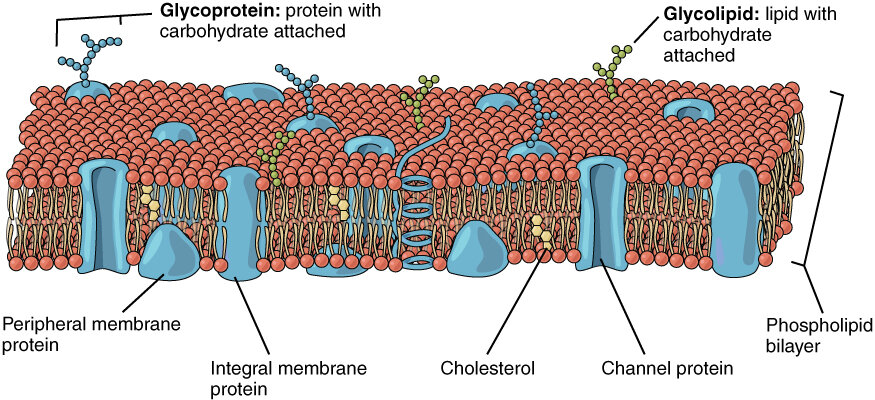
Every single one of your cells uses cholesterol. It’s a key component of cell membranes, the outer layer that holds each cell together. Without cholesterol, these membranes would be too fluid and flimsy, unable to protect their contents or function correctly. It provides the right amount of stiffness and stability.
Beyond its structural role, your body uses cholesterol as a precursor to make vital substances. This includes hormones like estrogen, testosterone, and cortisol, which regulate everything from your metabolism to your mood. It's also necessary for producing vitamin D when your skin is exposed to sunlight and for creating bile acids, which help you digest fats.
Where It Comes From
Your body has two ways of getting cholesterol: it makes its own, and it absorbs it from food. Your liver is the main production hub, manufacturing all the cholesterol your body needs to carry out its essential jobs. This internally-produced cholesterol is called endogenous cholesterol.
Your body produces most of the cholesterol it needs. The rest comes from the foods you eat.
The cholesterol you get from food is known as exogenous cholesterol. It's found only in animal-based products. Think meat, poultry, full-fat dairy products, and egg yolks. Plant-based foods like fruits, vegetables, and grains contain no cholesterol at all. Your body has a sophisticated system to regulate its cholesterol levels, often reducing its own production when dietary intake is high.
Traveling Through the Bloodstream
Since cholesterol is a fatty substance, it doesn't mix well with blood, which is mostly water. To travel through the bloodstream and get where it's needed, cholesterol hitches a ride on special particles called lipoproteins. These are like tiny transport ships made of fat (lipid) on the inside and protein on the outside.
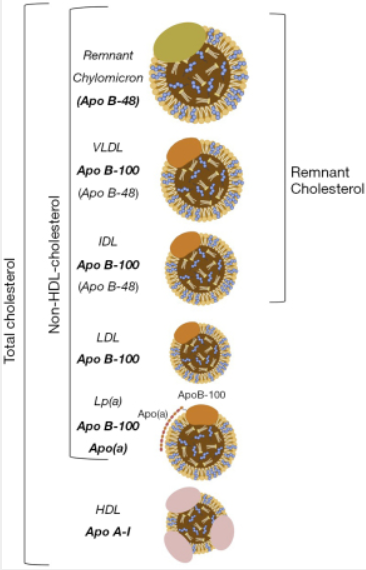
You can think of lipoproteins as the delivery trucks of the body. They pick up cholesterol from the liver and deliver it to cells that need it for building membranes or making hormones. There are several types of lipoproteins, each with a different job. While a certain amount of cholesterol is vital, problems can arise when there's too much of it circulating in these lipoprotein packages.
What is a primary function of cholesterol in the human body?
Your body uses cholesterol as a precursor to create other vital substances. Which of the following is NOT synthesized from cholesterol?