Cholesterol Explained
Cholesterol Basics
The Body's Unsung Hero
Cholesterol often gets a bad rap, but it’s a vital substance for your body to function. Think of it as a waxy, fat-like material found in every single one of your cells. It's not an enemy; in fact, life as we know it wouldn't be possible without it.
Cholesterol is a type of lipid, which is just a scientific term for a fat or fat-like substance. Its waxy texture allows it to perform many unique jobs inside our cells.
A Tale of Two Sources
So where do we get this essential material? Your body has a two-pronged approach for maintaining its cholesterol supply.
The first and primary source is your own body. Your liver is a cholesterol-producing powerhouse, manufacturing about 80% of the cholesterol you need. It expertly synthesizes this lipid to ensure your body has enough to carry out its essential functions. This is called endogenous cholesterol.
The second source is the food you eat. This is known as exogenous cholesterol. It’s found exclusively in animal-based products. Foods like meat, poultry, fish, eggs, and dairy products all contain cholesterol. Plant-based foods, such as fruits, vegetables, and grains, contain none.
Your body is quite smart about managing its cholesterol levels. The liver has a feedback system. If your dietary intake of cholesterol increases, your liver will typically produce less, and vice-versa. It’s a delicate balancing act to keep things running smoothly.
The Many Jobs of Cholesterol
Cholesterol isn't just floating around aimlessly; it's a busy molecule with several critical responsibilities.
Cell Membrane
noun
The semipermeable membrane surrounding the cytoplasm of a cell.
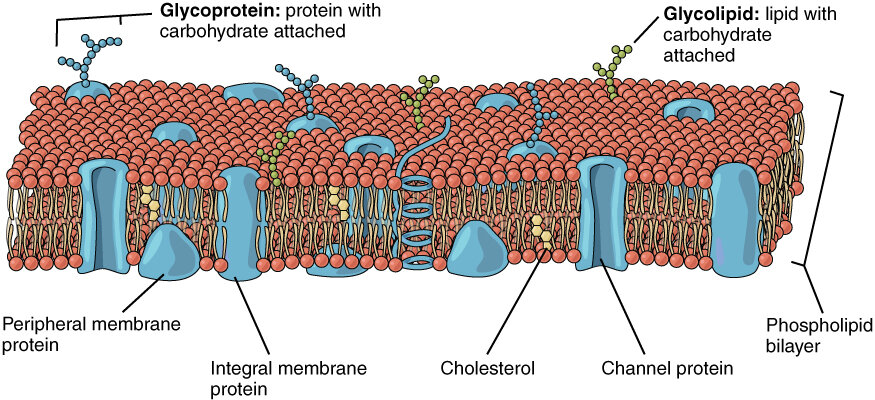
One of its main jobs is to provide structural support for your cell membranes. Every cell in your body is encased in a protective layer, the cell membrane. Cholesterol is a key component, nestled within this membrane. It helps maintain the membrane's integrity and fluidity, preventing it from becoming too rigid or too fluid. Think of it as the perfect mortar for a brick wall, providing both strength and flexibility.
Cholesterol is also the starting material for producing several essential substances. It serves as a precursor for:
-
Steroid Hormones: Your body uses cholesterol to make critical hormones like cortisol (which helps you respond to stress), aldosterone (which controls salt and water balance), and sex hormones like testosterone, estrogen, and progesterone.
-
Vitamin D: When your skin is exposed to sunlight, it converts a type of cholesterol into vitamin D. This vitamin is crucial for bone health and immune function.
-
Bile Acids: In the liver, cholesterol is converted into bile acids. These are essential for digestion, as they help your body absorb fats and fat-soluble vitamins from the food you eat.
From cellular structure to hormone production, cholesterol is a foundational building block for a healthy body.
So, while you might hear about the importance of managing cholesterol levels, it's crucial to remember that this substance is not inherently bad. It's a fundamental component of our biology, playing multiple roles that keep us healthy and functioning.