Chocolate Tap Dessert Business Startup
Market Research
Before You Bake
You have a fantastic idea for a dessert shop. The menu is in your head: rich chocolates, fresh fruits, and endless toppings. But before you fire up the ovens, you need to do some homework. This is called market research, and it's about understanding the world you're about to enter.
Market research helps you identify potential customers, evaluate competition, and determine the demand for specific products or services.
Think of it as creating a map. Without one, you're just wandering in the dark. With a good map, you can find the best path to success. It helps you answer critical questions: Who will buy my desserts? Who am I competing against? Where should I even set up shop? Let's start mapping.
Spotting the Trends
The dessert world is always changing. What was popular last year might be old news today. Your first step is to get a feel for the current landscape. Are people craving comfort-food classics, or are they looking for something new and exciting?
Today, many customers are looking for a balance. They want indulgent treats but are also more health-conscious. This means high-quality dark chocolate, desserts featuring fresh fruit, and options that cater to different dietary needs are increasingly popular. There's also a big trend towards 'Instagrammable' foods – desserts that look as good as they taste. People love to share unique and beautiful creations online.
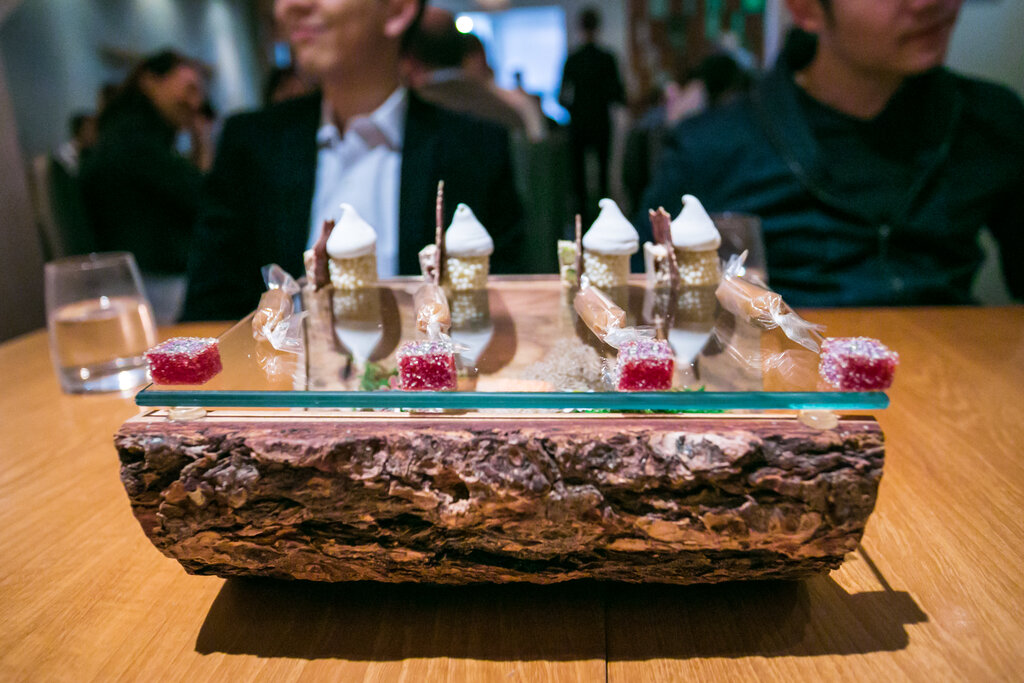
Understanding these trends helps you shape your menu. Maybe you'll focus on gourmet chocolate fondue with a huge selection of fresh, seasonal fruits. Or perhaps you'll offer customizable bowls where customers can mix and match bases, chocolates, and healthy toppings like nuts and seeds. Knowing what's popular gives you a starting advantage.
Finding Your Customers
You can't sell to everyone. Trying to appeal to every single person is a quick way to appeal to no one. Instead, you need to find your target demographic – the specific group of people most likely to love your dessert shop. Are you aiming for families with young children, university students on a budget, or young professionals looking for an evening treat?
Once you know who you're targeting, every decision becomes easier. A shop for families might need high chairs and a durable design. A spot for students should have free Wi-Fi and be affordably priced. A lounge for professionals would benefit from comfortable seating and a more sophisticated menu. Your target customer informs everything from your branding to your hours of operation.
Analyze the Competition
You won't be the only dessert game in town. It's crucial to know who your competitors are and what they offer. This isn't about copying them; it's about finding a way to stand out. Make a list of other bakeries, ice cream parlors, and cafes in your area. Visit them at different times of day. What are they doing well? Where are their weaknesses?
Pay attention to their menu, pricing, atmosphere, and customer service. Do they specialize in one thing, like cupcakes or frozen yogurt? Are they always busy, or often empty? Read their online reviews to see what customers love and hate. This information is gold. It can reveal a gap in the market that your business can fill.
| Competitor | Strengths | Weaknesses | Opportunity for You |
|---|---|---|---|
| The Corner Bakery | Great location, loyal morning crowd | Limited dessert options, closes early | Offer unique, high-quality evening desserts |
| FroYo Fun | Popular with kids, lots of toppings | Artificial flavors, often messy | Focus on all-natural ingredients and a cleaner space |
| Cafe Luxe | High-end coffee, nice ambiance | Desserts are expensive and pre-made | Provide freshly made, affordable gourmet desserts |
Find the Right Spot
Finally, all this research comes together when you evaluate potential locations. The perfect spot depends entirely on your target customer and the demand in that area. A location in a busy downtown area with lots of foot traffic from office workers is very different from a cozy corner in a residential neighborhood.
To assess a location, spend time there. Count the number of people walking by. Are they your target customers? Look for 'anchor' businesses that draw people in, like movie theaters, popular restaurants, or parks. A spot near a university could be great for a student-focused shop, while a location in a family-friendly suburb might be better for a family-oriented one. Also, consider practical things like parking, visibility, and the cost of rent. The right location makes it easy for your ideal customers to find you.
Now that you've done your research, you have a much clearer picture of the market. You know the trends, who you want to serve, what the competition looks like, and what makes a good location. This groundwork is essential for building a business that lasts.