Chlorophyll A Measurement in the Lab
Introduction to Chlorophyll a
The Green Engine of Life
The reason plants, algae, and cyanobacteria have their signature green color is a molecule called chlorophyll a. It’s the most important pigment for photosynthesis, the process that converts light energy into chemical energy. Without it, life as we know it would look very different.
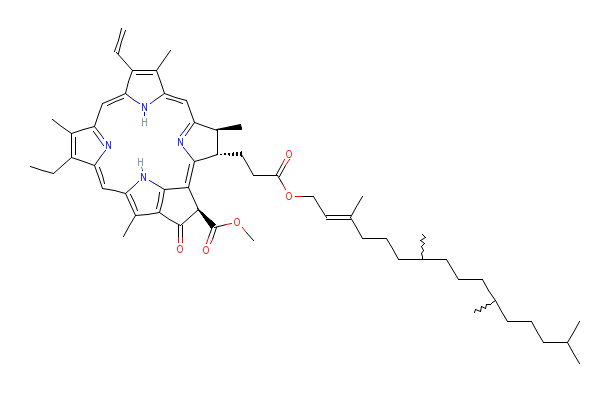
The structure of chlorophyll a is perfectly designed for its job. It consists of two main parts: a ring-like “head” and a long hydrocarbon “tail.”
The head is a porphyrin ring with a magnesium atom right in the center. This is the part of the molecule that actually absorbs sunlight. The long tail acts like an anchor, embedding the molecule within the thylakoid membranes inside chloroplasts, which are the photosynthetic factories of the cell.
Capturing Sunlight
Chlorophyll a is the primary workhorse in the first stage of photosynthesis, known as the light-dependent reactions. Think of it as a tiny solar panel. When sunlight strikes the molecule, it absorbs energy from the blue-violet and orange-red parts of the spectrum. The energy excites electrons within the pigment, kicking off a chain of reactions that ultimately produces energy-carrying molecules like ATP and NADPH.
Interestingly, chlorophyll a doesn't absorb green light very well. Instead, it reflects it. This is why our eyes perceive plants and algae as green.
The primary function of pigments in plants is photosynthesis, which uses the green pigment chlorophyll along with several red and yellow pigments that help to capture as much light energy as possible.
While chlorophyll a is the main event, other accessory pigments like chlorophyll b and carotenoids help out. They capture light at different wavelengths and pass the energy along to chlorophyll a, maximizing the amount of solar energy the organism can use.
A Sign of Healthy Waters
In aquatic ecosystems, from small ponds to vast oceans, the amount of chlorophyll a is a crucial health indicator. The primary producers in these environments are microscopic algae called phytoplankton. Since every phytoplankton cell contains chlorophyll a, measuring its concentration in the water gives scientists a direct estimate of the total amount of algae present.
This measurement, often referred to as algal biomass, tells a story about the water's condition. A balanced amount of phytoplankton forms the base of the food web, supporting everything from tiny zooplankton to large fish. However, an overabundance can signal a problem.
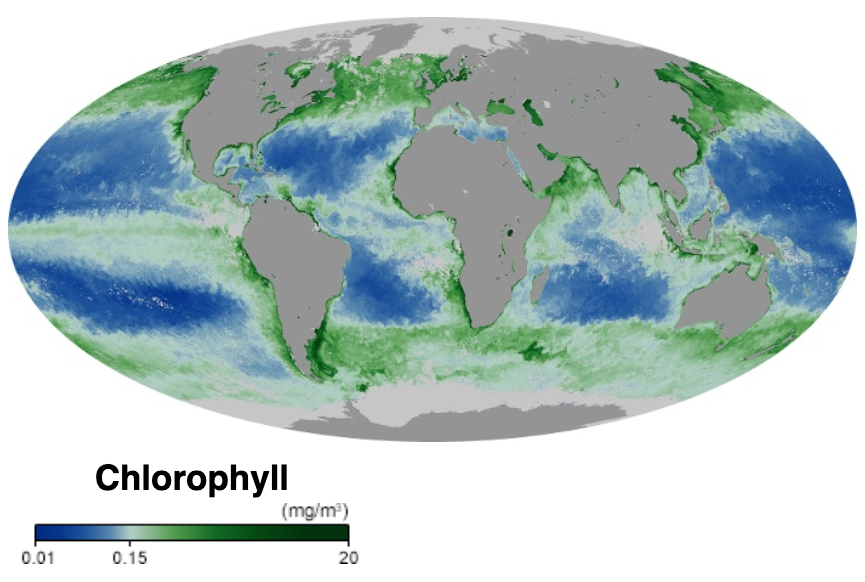
High concentrations of chlorophyll a often point to an excess of nutrients like nitrogen and phosphorus in the water, a condition known as eutrophication. This can be caused by agricultural runoff or wastewater discharge. While nutrients sound good, too many can lead to explosive algal blooms. These blooms can block sunlight from reaching plants deeper in the water and, when the algae die and decompose, deplete the water's oxygen, creating “dead zones” where fish and other aquatic life cannot survive.
Because of this direct link, scientists and environmental agencies routinely monitor chlorophyll a levels to assess water quality and the health of aquatic ecosystems.