Chinese Peptides Explained
Introduction to Peptides
What Are Peptides?
Peptides are short chains of amino acids, which are the fundamental building blocks of proteins. Think of amino acids like individual beads, and peptides as short strings of those beads. When the string gets very long and folds into a specific shape, it becomes a protein.
amino acid
noun
An organic compound containing both a carboxyl (—COOH) and an amino (—NH₂) group. They are the building blocks of peptides and proteins.
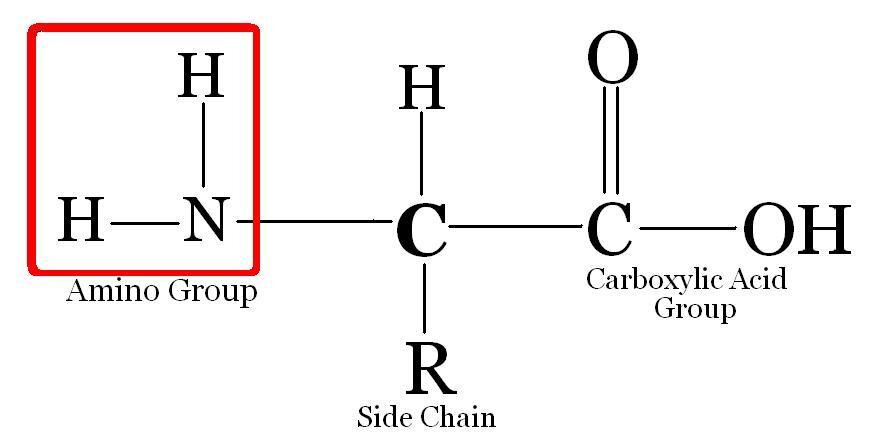
Every amino acid has a central carbon atom connected to four different groups: an amino group, a carboxyl group, a hydrogen atom, and a unique side chain, often called the 'R group'. This R group is what distinguishes one amino acid from another. There are 20 common types found in living organisms, each with a different side chain.
The Peptide Bond
Amino acids link together through a chemical reaction called a condensation or dehydration reaction. The carboxyl group of one amino acid reacts with the amino group of another. In the process, a molecule of water is released, and a strong covalent bond is formed between the two amino acids.
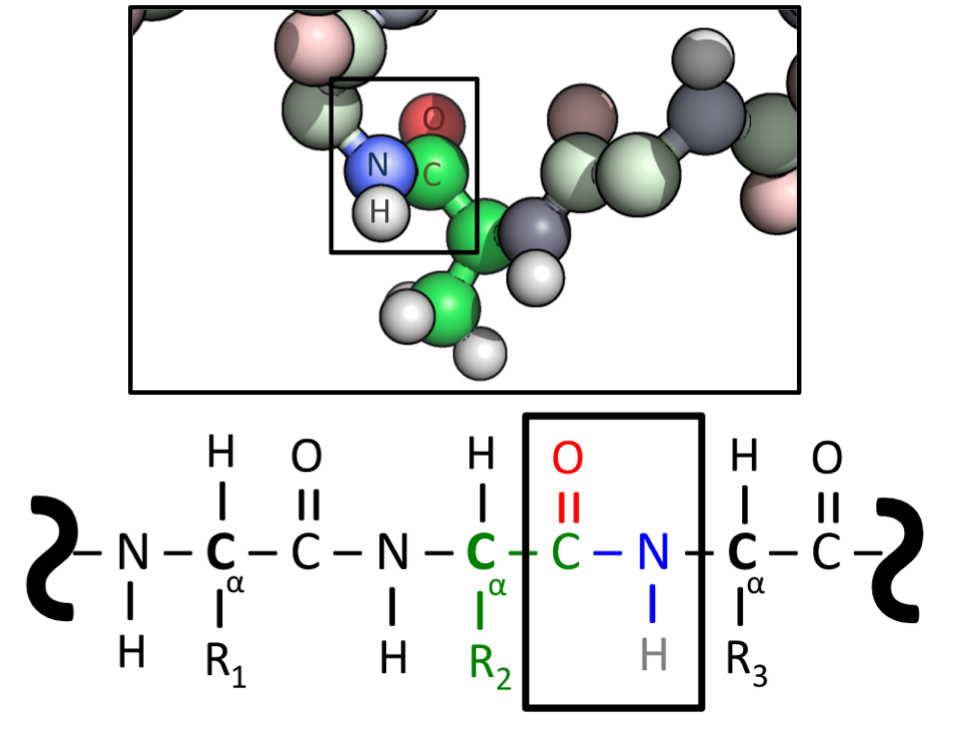
This special link between amino acids is called a peptide bond.
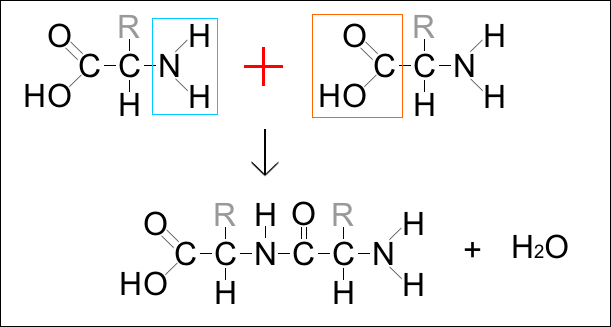
This process can repeat, adding more amino acids to the chain one by one. The resulting chain always has a free amino group at one end (the N-terminus) and a free carboxyl group at the other (the C-terminus). The backbone of the peptide consists of a repeating sequence of nitrogen, alpha-carbon, and carbonyl carbon atoms.
Classifying Peptides
Peptides are categorized based on how many amino acids they contain. This classification helps scientists understand their potential size and complexity.
| Name | Number of Amino Acids |
|---|---|
| Dipeptide | 2 |
| Tripeptide | 3 |
| Oligopeptide | 2-20 |
| Polypeptide | More than 20 |
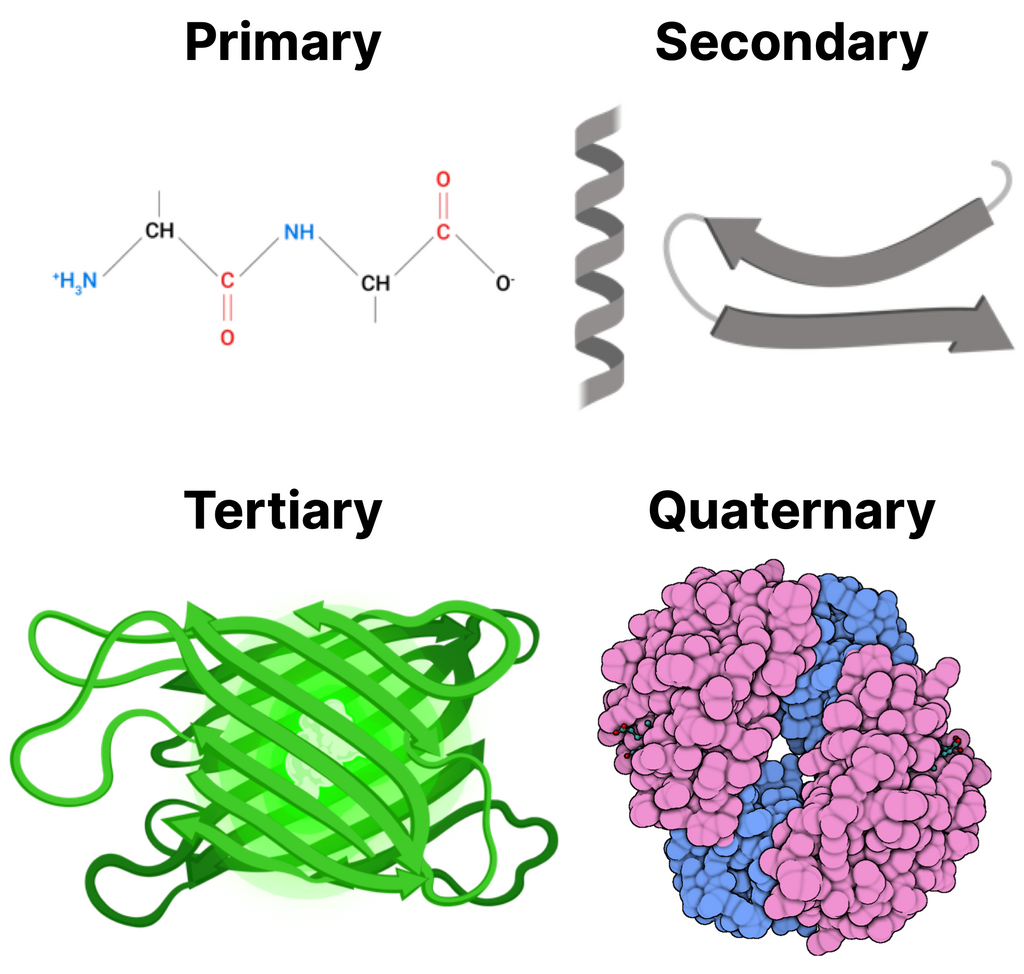
You might wonder what the difference is between a polypeptide and a protein. The line can be blurry, but generally, peptides with more than 50 amino acids are considered proteins. More importantly, proteins are polypeptides that have folded into a stable, specific three-dimensional structure, which is essential for their biological function. A polypeptide is the sequence, while a protein is the folded, functional molecule.
Biological Functions
Despite their simple structure compared to proteins, peptides are vital players in nearly every biological process. They act as messengers, carrying signals between cells, tissues, and organs.
Peptides can have such broad effects because they act as circulating hormones, neurotransmitters, and local regulators, playing a fundamental role in human development, reproduction, physiology, and behavior.
Here are a few of their key roles:
- Hormones: Many hormones are peptides. Insulin, for example, is a peptide hormone that regulates blood sugar levels.
- Neurotransmitters: Peptides like endorphins act in the brain to reduce pain and produce feelings of well-being.
- Antimicrobials: Some peptides are part of the immune system, defending the body against bacteria and other pathogens.
- Enzyme Inhibitors: They can block the action of specific enzymes, a function that is very useful in drug development.
How Peptides Are Made
In nature, peptides are synthesized inside cells through the process of protein biosynthesis. The genetic code in DNA is transcribed into messenger RNA (mRNA), which is then translated by ribosomes into a specific sequence of amino acids, forming a polypeptide chain.
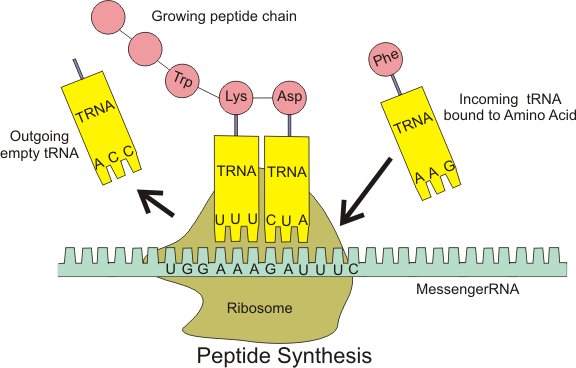
Scientists can also create peptides in the lab using methods of chemical synthesis. The most common technique is Solid-Phase Peptide Synthesis (SPPS). This method involves building the peptide chain step-by-step while one end is attached to a solid support, a bit like stringing beads onto a cord that's tied to a hook. This allows for precise control over the amino acid sequence and enables the creation of custom peptides for research, medicine, and biotechnology.

Before we move on, let's test your understanding of these core concepts.
What is the specific type of covalent bond formed between two amino acids during a condensation reaction?
Which component of an amino acid gives it its unique chemical properties and distinguishes it from other amino acids?
Understanding these basics of peptide structure, classification, and function provides a solid foundation for exploring their diverse and powerful roles in biology and medicine.