Chinese Medicine Fundamentals
Introduction to TCM
What is Traditional Chinese Medicine?
Traditional Chinese Medicine, or TCM, is a complete system of health and healing that has been developing for thousands of years. It’s not just about treating symptoms. Instead, TCM looks at the entire person—body, mind, and spirit—and sees health as a state of perfect balance. It views the human body as a miniature version of the surrounding universe, interconnected with nature and subject to its forces.
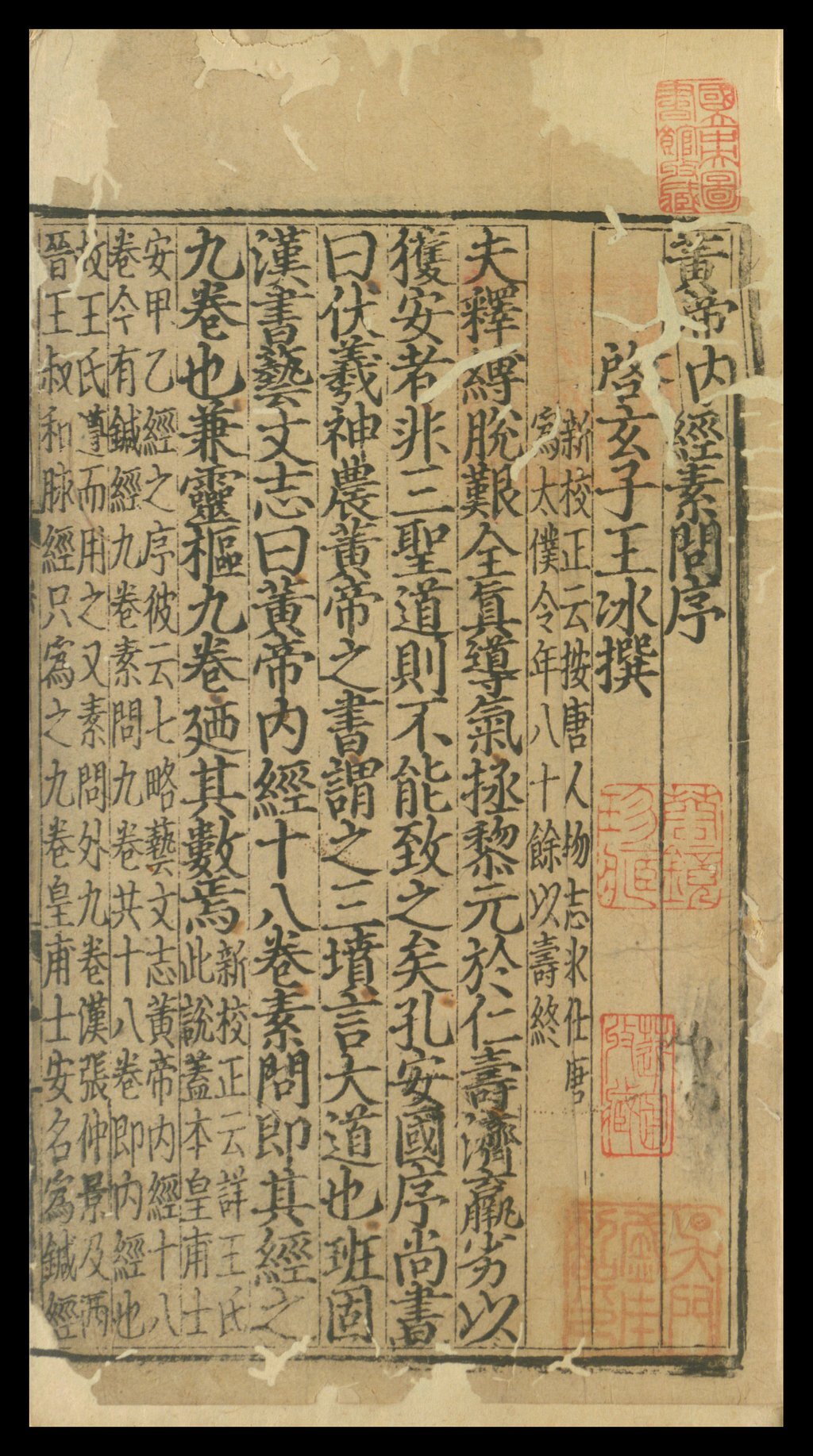
The core idea is that to be healthy, we must live in harmony with our environment and maintain balance within ourselves. Illness arises when this harmony is disrupted. This ancient practice offers a unique perspective on health, focusing on preventing disease just as much as treating it.
The Flow of Life Force
At the heart of TCM is the concept of Qi (pronounced "chee"). Think of Qi as the vital energy or life force that flows through all living things. It's the power that animates the body and fuels its functions, from breathing and circulating blood to thinking and feeling.
Qi
noun
The vital life force or energy that flows through the body, forming the basis of all physiological activity.
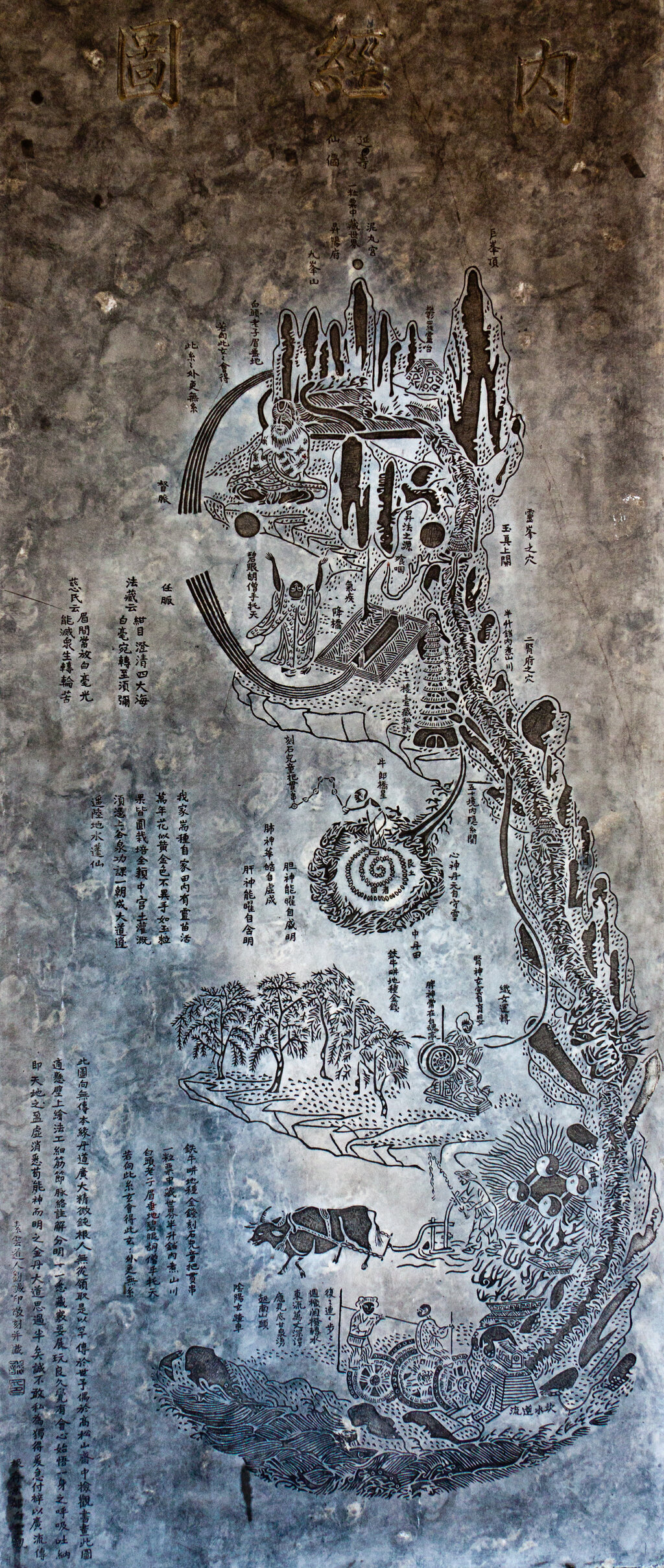
This energy travels through specific pathways in the body called meridians, much like water flowing through a network of rivers. When your Qi is abundant and flows freely, you feel healthy, vibrant, and balanced. However, if the flow of Qi becomes blocked, weak, or unstable, it can lead to pain, illness, and emotional distress. The goal of many TCM practices is to unblock these pathways and restore the smooth, strong flow of Qi.
A Balancing Act
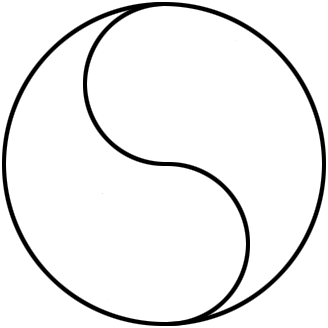
Another foundational idea in TCM is the theory of Yin and Yang. You've probably seen the symbol: a circle divided into two teardrop shapes, one black (Yin) and one white (Yang), each containing a dot of the opposite color. This symbol represents the interconnectedness and balance of opposing forces.
Yin and Yang aren't good and evil. They are complementary opposites that cannot exist without each other.
Yin is associated with qualities like cold, darkness, passivity, and femininity. Yang is associated with heat, light, activity, and masculinity. Everything in the universe has both Yin and Yang aspects. For example, night is Yin while day is Yang. Water is Yin, and fire is Yang.
In the body, health is a dynamic balance between these two forces. An excess of Yang might manifest as fever, inflammation, or high blood pressure, while an excess of Yin could appear as chills, fluid retention, or fatigue. TCM seeks to correct these imbalances to restore health.
The Rhythm of Nature
The Five Elements theory builds on the concepts of Qi and Yin-Yang. It provides a framework for understanding how different parts of the body and nature interact. The five elements are Wood, Fire, Earth, Metal, and Water. These aren't literal substances but rather representations of different phases of energy, or movements, in a cyclical pattern.
| Element | Season | Organ System (Yin) | Emotion |
|---|---|---|---|
| Wood | Spring | Liver | Anger |
| Fire | Summer | Heart | Joy |
| Earth | Late Summer | Spleen | Worry |
| Metal | Autumn | Lungs | Grief |
| Water | Winter | Kidneys | Fear |
These elements are in constant motion and interact in two main ways. In the Generating Cycle, each element nourishes the next: Wood fuels Fire, Fire creates Earth (ash), Earth produces Metal, Metal carries Water, and Water nourishes Wood. In the Controlling Cycle, each element regulates another to maintain balance: Wood parts Earth, Earth dams Water, Water douses Fire, Fire melts Metal, and Metal chops Wood.
By understanding these relationships, a TCM practitioner can see how an imbalance in one part of the body—say, the Liver (Wood)—can affect another, like the Spleen (Earth). This intricate web of connections helps explain how TCM views health holistically, where everything is part of a larger, interconnected system.
What is the primary goal of Traditional Chinese Medicine?
In TCM, the vital energy or life force that flows through pathways called meridians is known as _____.
These three pillars—Qi, Yin-Yang, and the Five Elements—form the theoretical foundation of Traditional Chinese Medicine. They provide a language and a framework for understanding the body's complex processes and its relationship to the world around it.