Chinese Legacy in Nevada City
Early Chinese Immigration
A Land of Unrest
In the mid-19th century, southeastern China was a region in turmoil. The ruling Qing Dynasty was weakening, facing both internal rebellion and external pressures from Western powers. For many people, especially in the coastal province of Guangdong, life was becoming increasingly difficult.
Political instability was widespread. The massive Taiping Rebellion (1850-1864), a devastating civil war, tore through the country, causing immense destruction and loss of life. On top of the violence, a series of natural disasters led to famine and widespread poverty. High taxes and limited economic opportunities left many families struggling to survive.
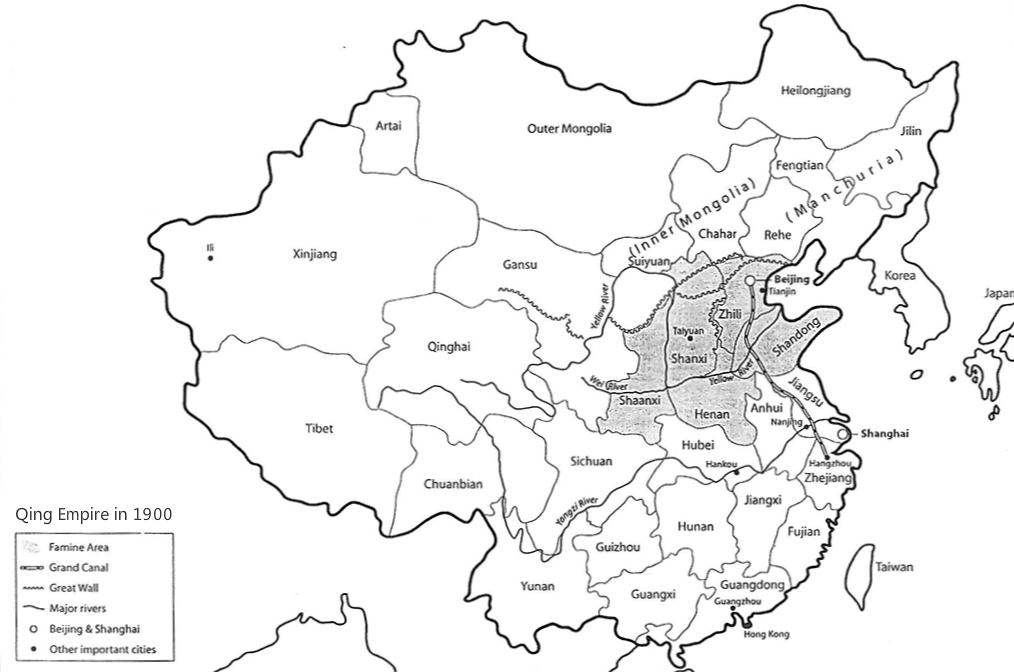
These desperate conditions created a powerful push factor, compelling many young men to look for opportunities abroad. They weren't looking to leave their homes forever, but to find a way to support their families and escape the chaos.
The Lure of Gold Mountain
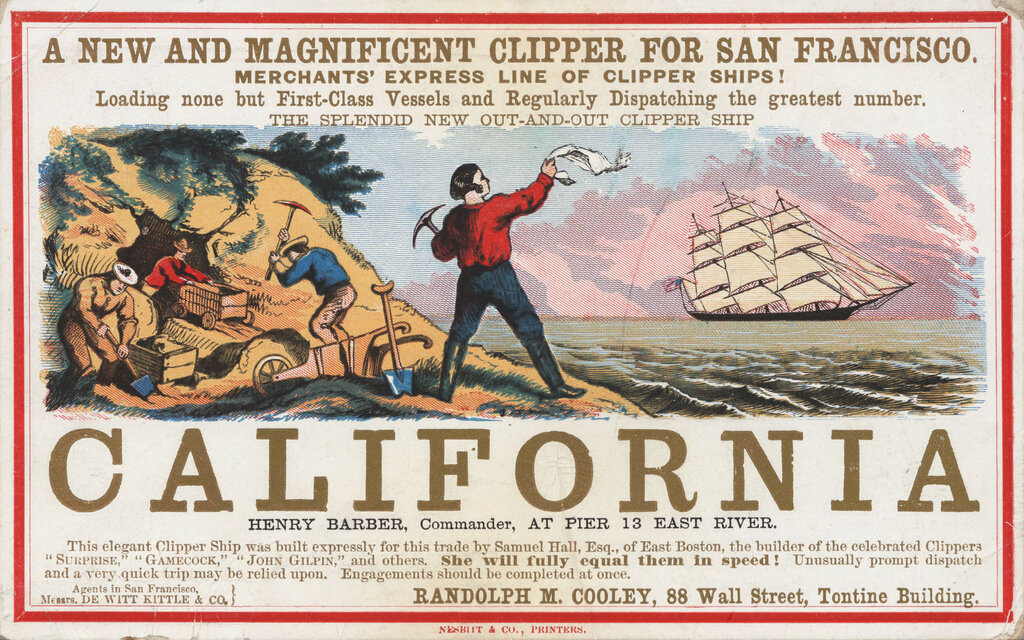
Just as conditions worsened in China, incredible news arrived in the port cities of Guangzhou (Canton) and Hong Kong. Gold had been discovered in California in 1848. Sailors and merchants brought tales of a land where a person could get rich quick, a place that came to be known as "Gam Saan" or "Gold Mountain."
Gold Mountain
For many in Guangdong, this was an irresistible pull. The dream of striking it rich offered a stark contrast to the poverty and uncertainty at home. Most who made the journey planned to work for a few years, send money back to their families, and eventually return to China with their newfound wealth. They saw it as a temporary solution to a desperate problem.
One of the most prevalent narratives traces its roots to Martinez, California, during the mid-1800s, amidst the exhilaration of the Gold Rush.
The Journey to California
The journey across the Pacific Ocean was long and difficult. The voyage could take anywhere from one to three months, depending on the ship and the weather. Most immigrants traveled in cramped, unsanitary conditions in the steerage section of steamships or sailing vessels.
Few could afford the price of a ticket, which was around $40–$50. To finance the trip, many relied on the "credit-ticket" system. Chinese brokers or American ship captains would pay for their passage. In return, the immigrant was bound by contract to work for the creditor for a set period to pay off the debt. This system allowed thousands to make the journey who otherwise couldn't, but it often trapped them in a cycle of debt upon arrival.
First Settlements
Upon arriving in California, most Chinese immigrants first landed in San Francisco. The city quickly developed the first Chinatown in the United States, centered around Sacramento Street. This area became a vital hub, offering a sense of community and support in an unfamiliar land. It was a place where new arrivals could find food they recognized, speak their native language, and connect with people from their home villages.
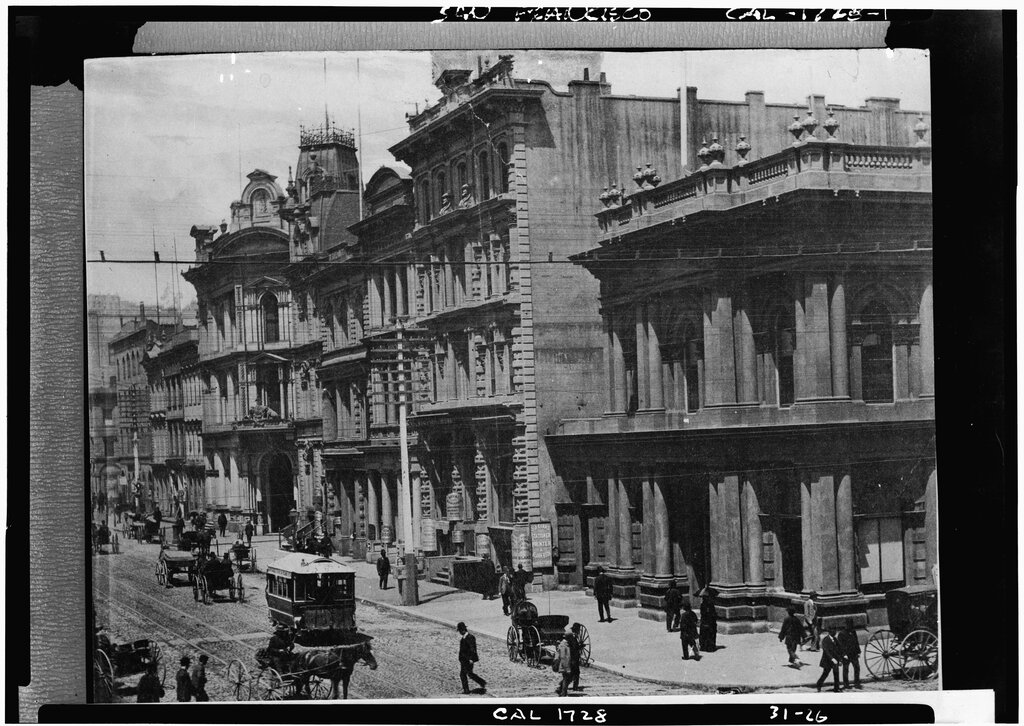
From San Francisco, many headed inland to the goldfields of the Sierra Nevada. They established small communities and mining camps throughout the region. These early settlements were essential for survival. Immigrants formed mutual aid societies and district associations (known as huiguan) based on their home regions in China. These organizations provided housing, job opportunities, and protection for their members, creating a crucial social safety net far from home.
What was a primary factor that pushed many people to leave southeastern China in the mid-19th century?
What does the term "Gam Saan," used by Chinese immigrants, translate to?