Chinese Cooking Essentials
Introduction to Chinese Cooking
Many Cuisines in One
To speak of “Chinese food” is like talking about “European food.” It’s a massive oversimplification. China is a vast country with a culinary history stretching back thousands of years. The food in the frigid north is completely different from the food in the tropical south. Geography, climate, and local ingredients have created dozens of distinct regional styles.
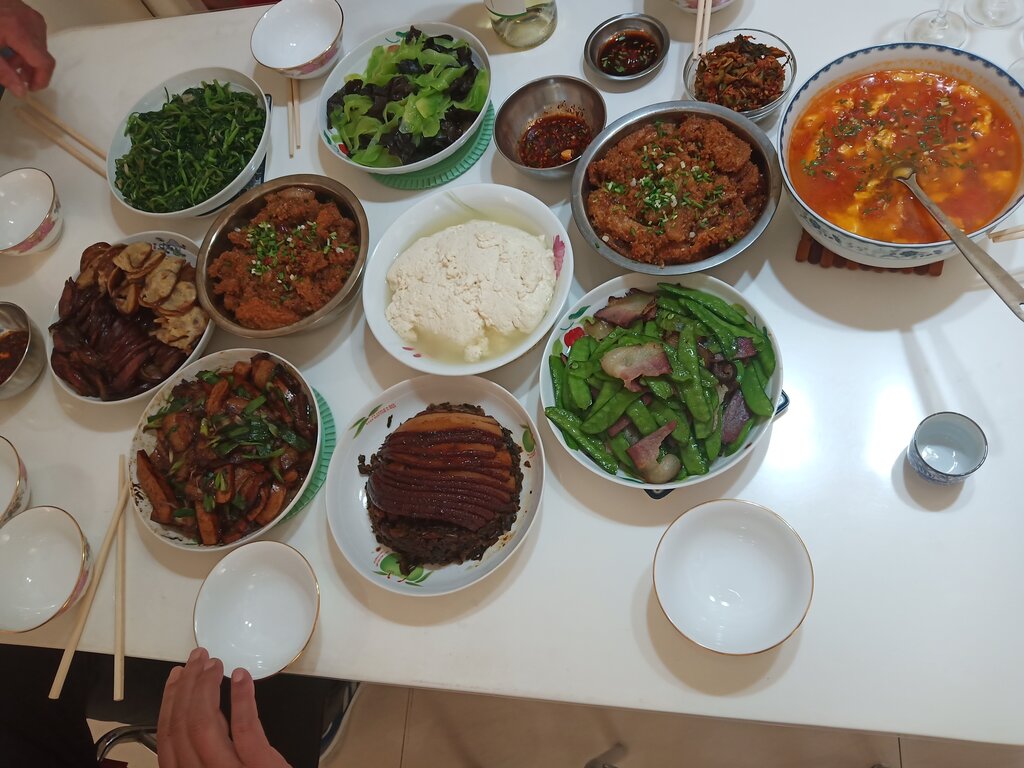
To make sense of this diversity, Chinese chefs and gourmands traditionally categorize the food into the “Eight Great Cuisines.” Each has its own personality and signature dishes. For example, Sichuan cuisine from the southwest is famous for its bold, fiery flavors from garlic and chili peppers. In contrast, Cantonese cuisine from the south emphasizes freshness and natural flavors, often using gentle cooking methods like steaming.
| Cuisine | Province | Flavor Profile |
|---|---|---|
| Sichuan (川菜) | Sichuan | Numbing & Spicy |
| Cantonese (粤菜) | Guangdong | Fresh, Natural, Mild |
| Jiangsu (苏菜) | Jiangsu | Fresh, Lightly Sweet, Meticulous |
| Zhejiang (浙菜) | Zhejiang | Mellow, Fresh, Not Greasy |
| Fujian (闽菜) | Fujian | Light, Savory, Umami (Seafood) |
| Hunan (湘菜) | Hunan | Hot & Sour, Savory |
| Anhui (徽菜) | Anhui | Earthy, Braised (Wild Herbs) |
| Shandong (鲁菜) | Shandong | Salty, Crispy, Savory (Soups) |
This is just one way to view the landscape of Chinese food. There are many other notable regional styles, each with its own story. The key takeaway is that there is no single “Chinese food,” but a world of different flavors to explore.
Building a Foundation
Despite the regional differences, many Chinese dishes are built from a shared pantry of core ingredients. Having these staples on hand is the first step to cooking Chinese food at home. You don't need a hundred different bottles and jars to start; a few key items will unlock a huge range of flavors.
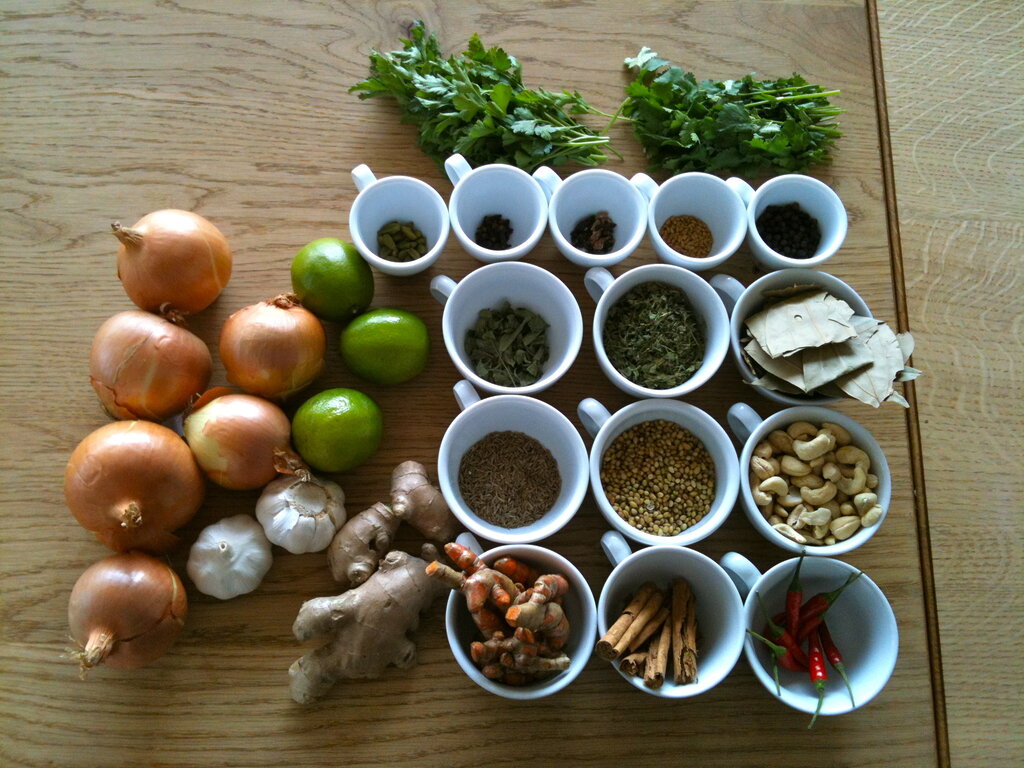
The most fundamental ingredients are the aromatics: ginger, garlic, and scallions. They form the flavor base for countless stir-fries, braises, and soups.
For sauces and seasonings, you'll want to have:
- Soy Sauce: Provides salty and savory (umami) flavors. Light soy sauce is for seasoning, while dark soy sauce is used more for color.
- Shaoxing Wine: A type of Chinese rice wine that adds depth and aroma.
- Rice Vinegar: Adds a bright, acidic tang. Black vinegar is maltier and more complex than white rice vinegar.
- Sesame Oil: Used as a finishing oil for its nutty aroma, not for high-heat cooking.
- Cornstarch: Essential for creating smooth sauces and velveting meats.
With just these basics, you can create a simple, classic sauce for a stir-fry or a marinade for meat and vegetables. They are the building blocks of Chinese cuisine.
The Art of Balance
Beyond ingredients, a core philosophy of Chinese cooking is balance. This isn't just about nutrition; it's about creating harmony in flavor, texture, color, and aroma. A single dish, and indeed an entire meal, should be a well-composed experience. No single element should overwhelm the others.
Think of a classic dish like Kung Pao Chicken. It balances the savory saltiness of soy sauce, the slight sweetness of sugar, the tang of vinegar, and the numbing heat of Sichuan peppercorns. It's a symphony of contrasting flavors.
Texture is just as important. A good stir-fry might combine tender chicken, crisp vegetables, and crunchy peanuts. This contrast keeps every bite interesting. The goal is to create a dish that is not just delicious, but satisfying on multiple levels. This principle of harmony is the subtle art behind great Chinese cooking.