China's Food Safety Landscape
Introduction to China's Food Safety Regulations
China's Food Safety Framework
At the heart of China's approach to food safety is the Food Safety Law of the People's Republic of China. This comprehensive law serves as the bedrock for all food-related regulations in the country. Its primary goal is straightforward: to ensure the safety of food and protect public health.
China's modern food safety system is a relatively recent development. For many years, the regulatory landscape was fragmented. However, a series of high-profile food safety incidents in the early 2000s spurred the government to take decisive action. This led to a major overhaul and the creation of a more centralized, science-based framework. The Food Safety Law has been revised several times since its initial passing, each time strengthening controls and increasing penalties for violations, reflecting a continuous effort to improve the system.
The law's scope is vast, covering the entire food supply chain—from the farm, through processing and packaging, all the way to the consumer's table.
Key Regulatory Bodies
Two main organizations are responsible for overseeing and implementing the Food Safety Law. Think of them as the enforcers and the scientists.
SAMR
noun
The State Administration for Market Regulation. This is the primary enforcement agency.
The State Administration for Market Regulation (SAMR) is the main watchdog. It's a super-ministry established in 2018 that consolidated the functions of several previous agencies. SAMR is responsible for the comprehensive supervision and management of everything from business registration to intellectual property, but a huge part of its mandate is food safety. It handles the registration of food producers, conducts inspections, investigates food safety incidents, and manages food recalls. If the Food Safety Law is the rulebook, SAMR is the referee on the field.
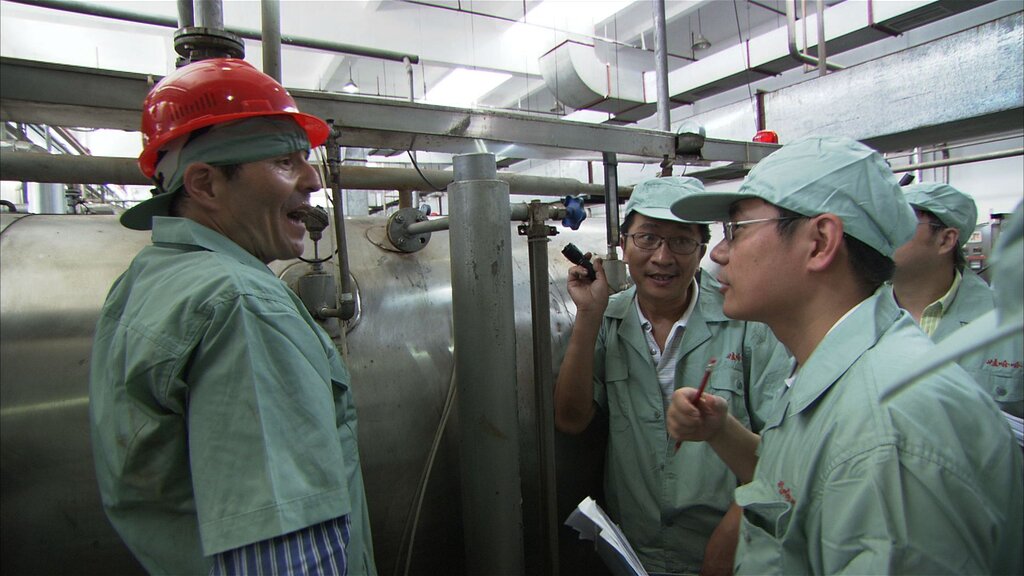
While SAMR handles enforcement, the scientific backbone of the system is the China National Center for Food Safety Risk Assessment (CFSA).
CFSA
noun
The China National Center for Food Safety Risk Assessment. This is the primary scientific body.
The CFSA is the technical institution responsible for conducting risk assessments of food products. Its experts analyze potential hazards, from chemical contaminants and pesticides to microbial pathogens. Based on this scientific evidence, the CFSA proposes national food safety standards. It also serves as the national hub for communicating risks to the public and other government agencies, ensuring that decisions are based on data, not just reaction.
Together, the Food Safety Law, SAMR, and the CFSA create a structure designed to be both comprehensive and responsive. The law sets the direction, SAMR ensures compliance, and the CFSA provides the necessary scientific grounding. Understanding these core components is the first step to navigating China's complex but crucial food safety landscape.
Ready to check your understanding?
What is the primary goal of the Food Safety Law of the People's Republic of China?
True or False: China's modern food safety regulatory system was fragmented for many years before a series of incidents prompted a major overhaul.
This framework establishes the foundation for all specific food regulations in China, which are built upon these core principles and institutions.