China Japan Political Relations
Historical Context
A Shift in Power
For centuries, China was the undisputed giant of East Asia, with Japan often living in its cultural shadow. But by the late 19th century, the tables had turned. Japan, through the Meiji Restoration, had rapidly modernized its military, government, and industry. In contrast, China's Qing Dynasty was struggling with internal rebellions and pressure from Western powers.
This new dynamic came to a head over Korea, a kingdom that had long been a tributary state of China. Japan saw Korea as crucial to its own security and economic interests and wanted to pull it from China's orbit. Tensions escalated until war broke out in 1894.
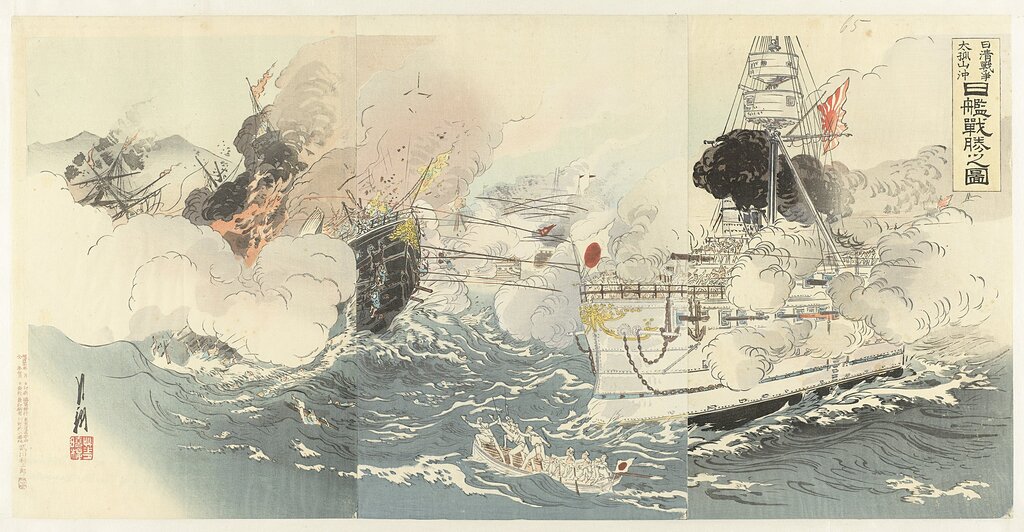
The First Sino-Japanese War (1894-1895) was a shock to the world. Japan's smaller but better-equipped and trained forces won a swift victory. The conflict ended with the Treaty of Shimonoseki in 1895. The terms were harsh for China: it had to recognize Korea's independence, pay a massive war indemnity, and cede Taiwan and the Liaodong Peninsula to Japan.
While international pressure forced Japan to return the Liaodong Peninsula, the war marked a dramatic shift. Japan was now a major imperial power, while China's weakness was exposed for all to see. This humiliation fueled revolutionary sentiment within China and set the stage for decades of conflict.
A War of Annihilation
In the decades that followed, Japan's imperial ambitions grew. It annexed Korea in 1910 and, driven by an expansionist military, invaded Manchuria in 1931, setting up a puppet state called Manchukuo. This was a direct challenge to Chinese sovereignty, but the conflict remained regional for several years.
Full-scale war erupted in 1937 following a clash between Chinese and Japanese troops at the Marco Polo Bridge near Beijing. This incident ignited the Second Sino-Japanese War, a conflict that would last eight years and become a major theater of World War II.
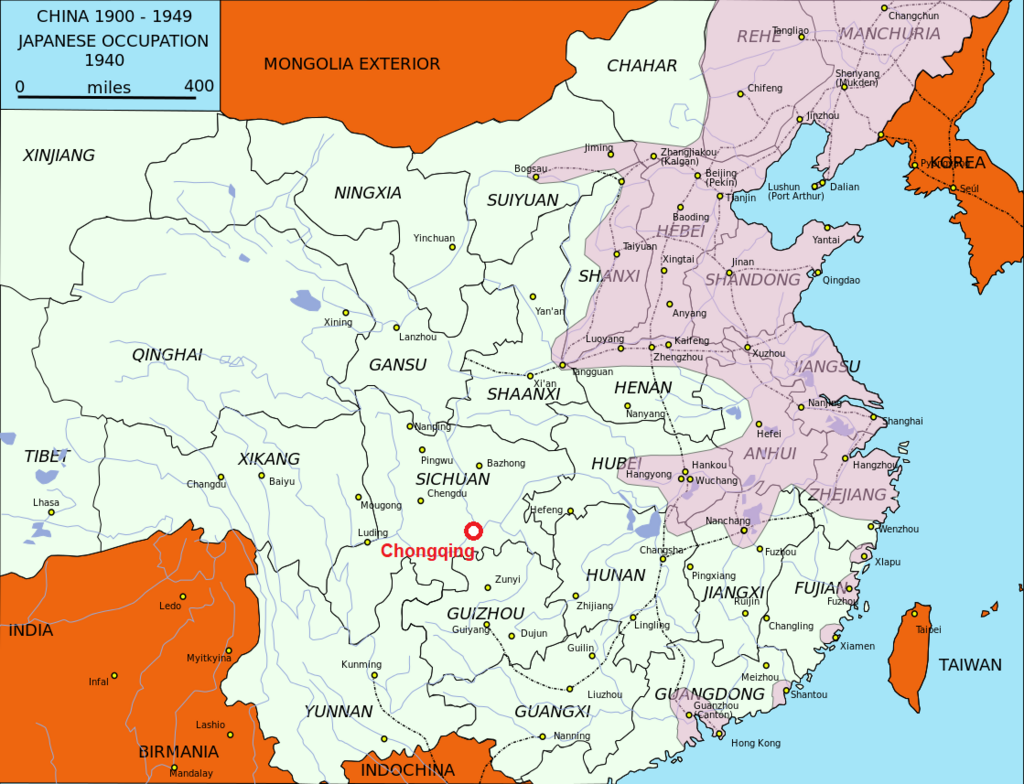
The war was devastating for China. Japanese forces quickly captured major cities, including the capital, Nanjing. The conflict was marked by extreme brutality and immense civilian suffering. The Chinese, though poorly equipped and divided between Nationalist and Communist factions, refused to surrender, fighting a long and costly war of resistance.
This wasn't just a war for territory; for many in China, it was a fight for national survival against an invader.
The Legacy of World War II
The Second Sino-Japanese War merged into the larger global conflict of World War II after Japan's attack on Pearl Harbor in 1941. China officially joined the Allies, receiving support from the United States and other nations in its fight against Japan.
The war finally ended with Japan's unconditional surrender in August 1945. For China, the end of the war meant the end of a long and brutal occupation. As part of the post-war settlement, Taiwan was returned to China, and Japan's empire was dismantled.
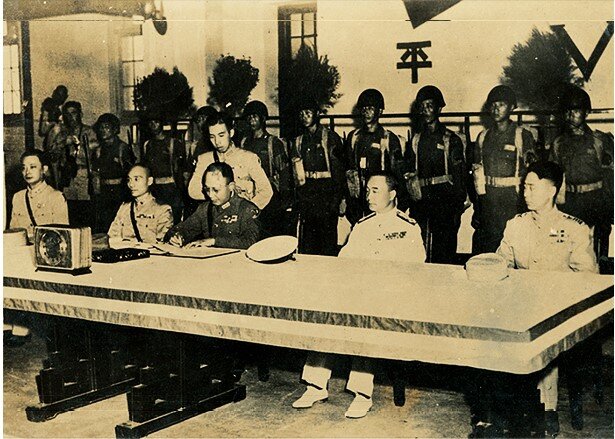
However, the victory was bittersweet. China was economically shattered and soon plunged back into civil war between the Nationalists and Communists. The legacy of the Second Sino-Japanese War left deep and lasting scars. The memory of the conflict, the immense loss of life, and the brutality of the occupation created a foundation of bitterness and mistrust that continues to influence relations between China and Japan to this day.
What was the primary point of contention that led to the outbreak of the First Sino-Japanese War (1894-1895)?
Which of the following was NOT a term of the Treaty of Shimonoseki that ended the First Sino-Japanese War?