China India Relations Explained
Ancient Interactions
The Silk Road: More Than Silk
The Silk Road wasn't a single road, but a vast network of trade routes that connected the East and West for centuries. While we often think of it as a path for Chinese silk to reach Rome, it was also the primary bridge between two of the world's oldest civilizations: China and India. For over a thousand years, this network of caravan trails and sea lanes was a bustling highway for goods, ideas, and people.
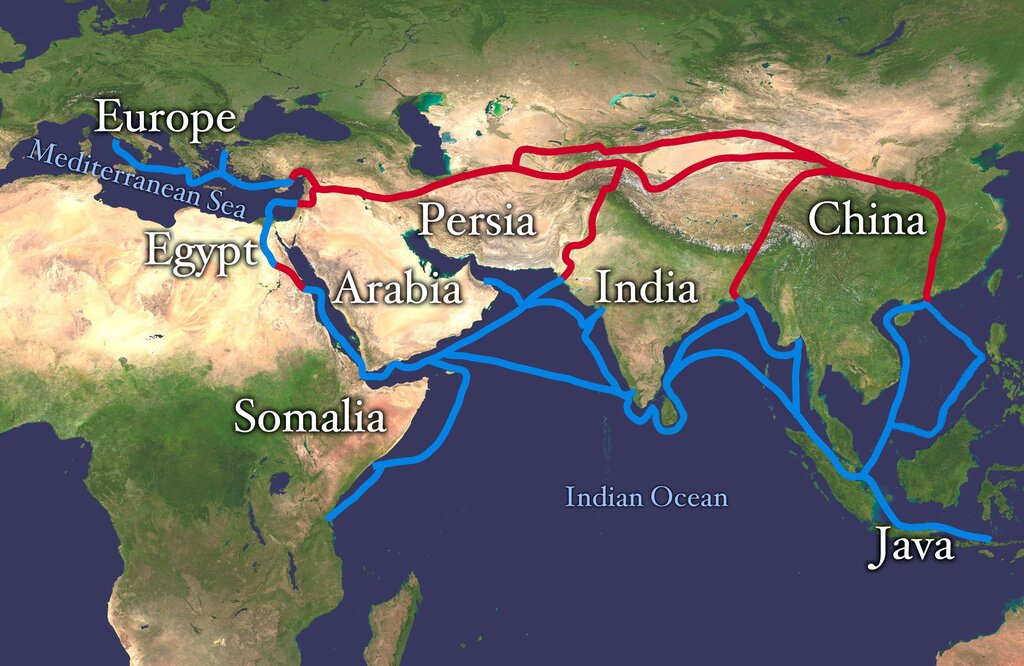
Merchants traveled treacherous deserts and high mountain passes, carrying more than just luxury goods. From China came silk, paper, and porcelain. From India, traders brought cotton textiles, spices like pepper and cinnamon, and precious stones. This exchange enriched both economies, but the most transformative trade wasn't in physical goods. It was in ideas.
The Journey of Buddhism
The most significant idea to travel the Silk Road eastward was Buddhism. Originating in India around the 5th century BCE, its message of compassion and enlightenment began to spread. Indian monks and missionaries, carrying sacred texts, journeyed along the same routes as the merchants. They established monasteries in oasis towns, which became vibrant centers of learning and art.
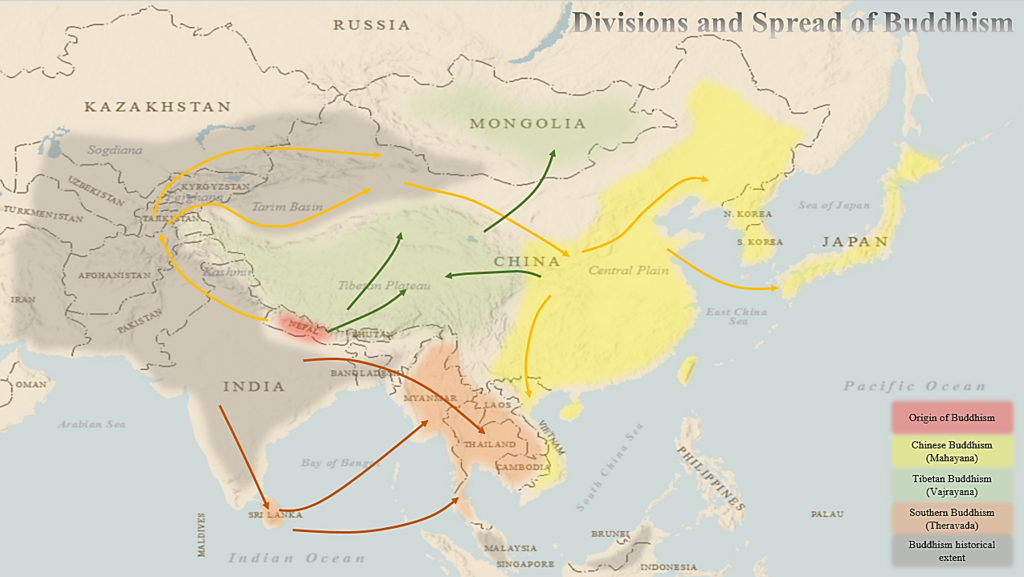
By the 1st century CE, Buddhism had reached China. It offered new philosophical perspectives and spiritual comfort, resonating with many people during a period of political instability. Chinese monks, like the famous Xuanzang in the 7th century, made the difficult pilgrimage to India to study, collect scriptures, and bring back more authentic teachings. Their efforts led to a massive project of translating Buddhist texts into Chinese, a monumental task that profoundly shaped Chinese language and thought.
This transmission wasn't just a simple transfer of religion. It was a deep, centuries-long cultural conversation that transformed both societies.
A Fusion of Cultures
The flow of ideas and beliefs sparked a remarkable fusion in art and literature. As Buddhism traveled, its artistic styles blended with local traditions. One of the most striking examples is Gandharan art, from a region in modern-day Pakistan and Afghanistan. It combined Indian Buddhist themes with Greco-Roman artistic styles, a legacy of Alexander the Great's campaigns. These depictions of the Buddha, with realistic facial features and flowing robes, heavily influenced the Buddhist art that later developed in China.
Indeed in the crucial period between the end of antiquity and the high middle ages, you can make at least as good a case for India being the cultural and intellectual centre of Asia, influencing and changing the course of religious, artistic and cultural life in the regions around it, not least China itself.
Literary exchange was just as important. The translation of Buddhist sutras introduced new concepts and stories into Chinese literature. The travelogues of Chinese pilgrims who visited India, like Xuanzang's Journey to the West, provided a detailed look at Indian society, geography, and customs. These accounts became classics of Chinese literature, inspiring stories and plays for centuries to come.
These ancient connections created a shared heritage. Let's review some key concepts from these early interactions.
What was the most significant non-material good exchanged between India and China along the Silk Road?
The Gandharan art style, known for its realistic depictions of the Buddha, is a direct result of the blending of Indian Buddhist themes with which other artistic tradition?
The early interactions between India and China demonstrate how trade can be a powerful vehicle for more than just economic exchange. Along the Silk Road, goods, philosophies, and artistic styles intertwined, laying a foundation of shared culture that would endure for millennia.