China An Overview
Geographical Features
A Land of Tiers
China's geography is often described as a great staircase, descending from west to east. This three-step ladder of terrain shapes everything from the climate to where people live. The highest step is in the west, a colossal platform of mountains and plateaus. The middle steps are a mix of smaller mountains, basins, and plateaus. The lowest step is the eastern coast, a region of fertile plains and river deltas.
This dramatic change in elevation has a huge impact on climate. The high mountains in the west block moisture-rich air from the Indian Ocean, creating vast deserts and arid grasslands. As the elevation drops towards the east, the climate becomes more hospitable, influenced by the Pacific Ocean.
The Mountainous West
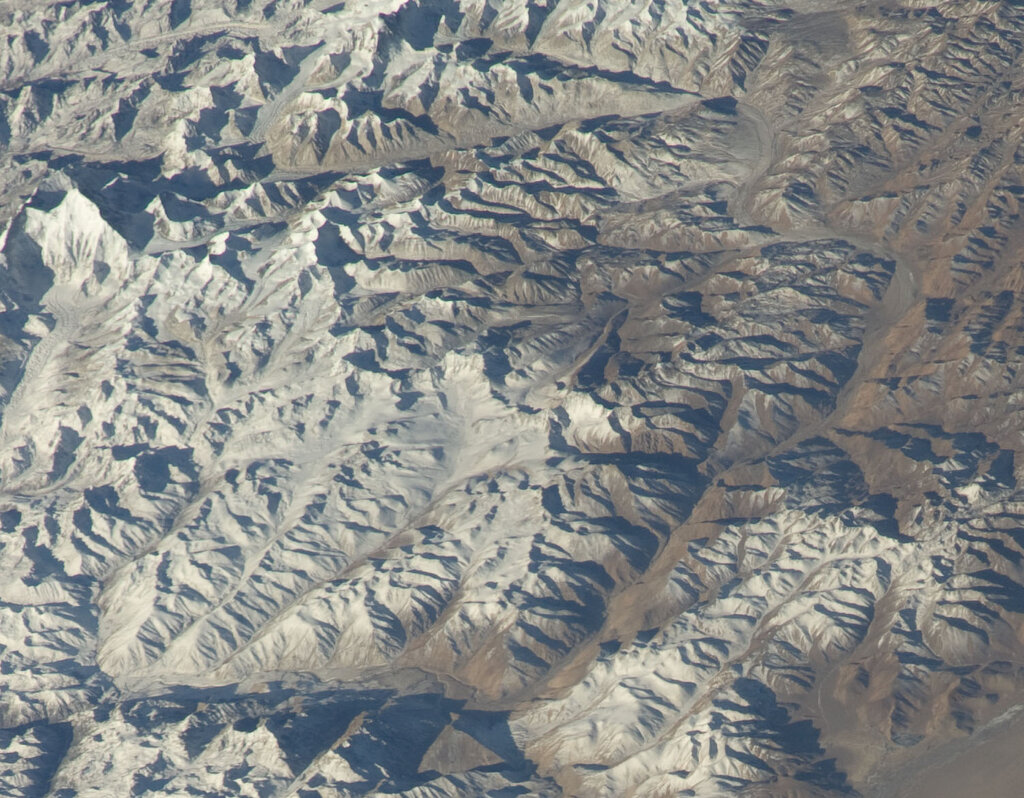
The top step of China's staircase is dominated by some of the world's most formidable mountain ranges. The Himalayas form a natural southern border, their towering peaks creating a rain shadow that keeps the Tibetan Plateau cold and dry. Further north, the Kunlun Mountains slice across the west, separating the Tibetan Plateau from the Tarim Basin, home to the Taklamakan Desert.
Further east, the Taihang Mountains run north to south, forming a natural barrier between the central plateaus and the vast North China Plain. These ranges aren't just geographical features; they have historically channeled migration, trade, and military campaigns.
Lifelines of a Nation
Flowing down from the western highlands are China's great rivers, which have nourished its people for millennia. The Yangtze River (Chang Jiang) is the longest in Asia, winding its way through the heart of southern China. Its basin is warm, wet, and incredibly fertile, making it the country's primary rice-growing region. It's also a major transportation artery, connecting the interior to the coast.
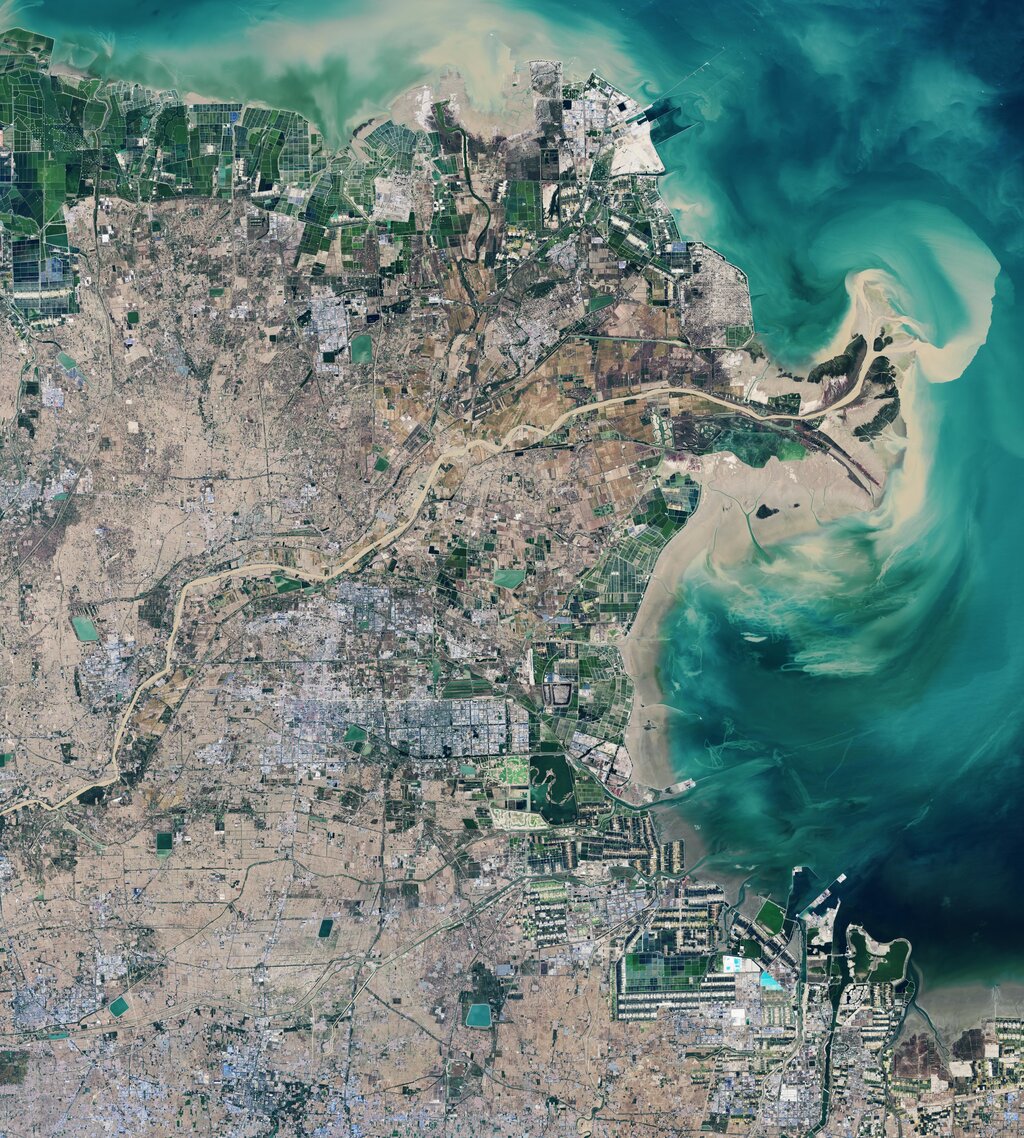
The Yellow River (Huang He) flows through the north. It gets its name from the fine, yellow, wind-blown silt called loess that it carries from the Loess Plateau. This sediment created the ultra-fertile North China Plain, earning the river the title "cradle of Chinese civilization." However, the same silt clogs the riverbed, causing catastrophic floods that also give it the name "China's Sorrow."
In the far south, the Pearl River (Zhu Jiang) and its tributaries create a vast, intricate delta. This region's long growing season and access to the sea have made it a powerhouse of agriculture and trade for centuries.
Fertile Lowlands
The great rivers built China's most important agricultural lands and population centers. The North China Plain, built from the Yellow River's sediment, is one of the most densely populated areas on Earth. Its fertile soil is ideal for growing wheat, millet, and sorghum. For thousands of years, this plain has been the political and cultural heart of China.
To the southwest lies the Sichuan Basin, a large, fertile lowland enclosed by mountains on all sides. This protective barrier gives the basin a mild, humid climate, perfect for agriculture. Known as the "Province of Abundance," its rich soil supports a large population and has made it a vital food-producing region throughout Chinese history.
This interplay of mountains, rivers, and plains created two distinct agricultural zones: a wheat-and-millet culture in the dry north and a rice culture in the wet south.
These geographical patterns profoundly influenced settlement. People naturally gravitated to the fertile river valleys and coastal plains of the east, where food was abundant and transportation was easier. The rugged, arid terrain of the west supported far fewer people, who often lived as nomadic herders rather than settled farmers. This east-west population imbalance is a defining feature of China to this day.
China's geography is often described as a "three-step staircase." In which direction does the terrain generally descend?
The Yellow River (Huang He) is known as both the "cradle of Chinese civilization" and "China's Sorrow." Why did it earn the latter nickname?
From the highest mountains to the lowest plains, China's geography is a story of dramatic contrasts that have shaped its long history.