Children's Science Explained
Introduction to Children's Science
Science Is Child's Play
When we think of science, we often picture laboratories and complex equations. But for a child, science is much simpler. It's the act of dropping a spoon from a high chair over and over, just to see what happens. It’s asking “why is the sky blue?” or poking a worm after it rains. Children's science is the natural process of observing, questioning, and experimenting to make sense of the world.
Every child is born a scientist. They have an innate curiosity that drives them to explore their surroundings. This exploration isn't random; it's a systematic, if messy, investigation. They test hypotheses—If I stack these blocks, will they fall?—and draw conclusions from the results. This process is the foundation of scientific thinking, and it happens long before they ever step into a classroom.
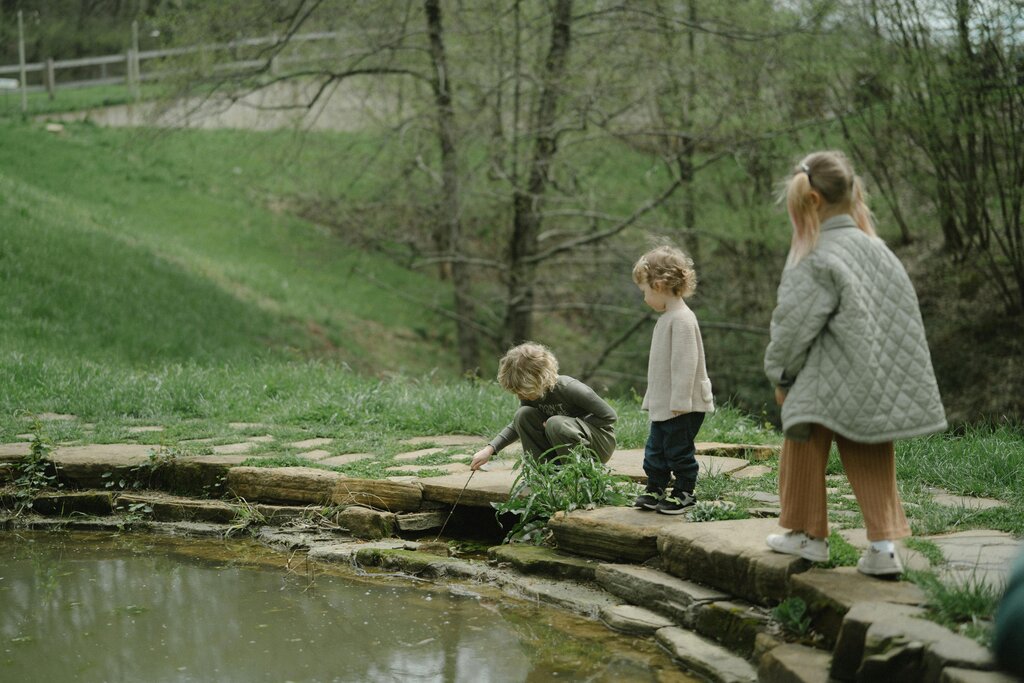
This natural investigation often looks like simple fun. We call it play. For a child, play is serious work. It’s how they test the limits of their world and themselves. Through play, they develop crucial cognitive skills like problem-solving and critical thinking. When a child figures out how to make a tower of blocks taller without it collapsing, they're learning about balance, gravity, and structural integrity. Play is their laboratory.
Play is the natural way that young children learn best – everything from math to language to emotions and social ideas emerge through play.
Play also builds social and emotional skills. When children build a fort together, they learn to negotiate, collaborate, and share a common goal. They learn to handle frustration when their creation tumbles and experience the joy of shared success. These are skills just as important as understanding any scientific principle.
Tools for Discovery
The tools for a child's scientific exploration aren't beakers and microscopes. They are often much simpler. Educational toys are objects that encourage open-ended play and experimentation. These aren't necessarily expensive or electronic; some of the best learning tools are the most basic.
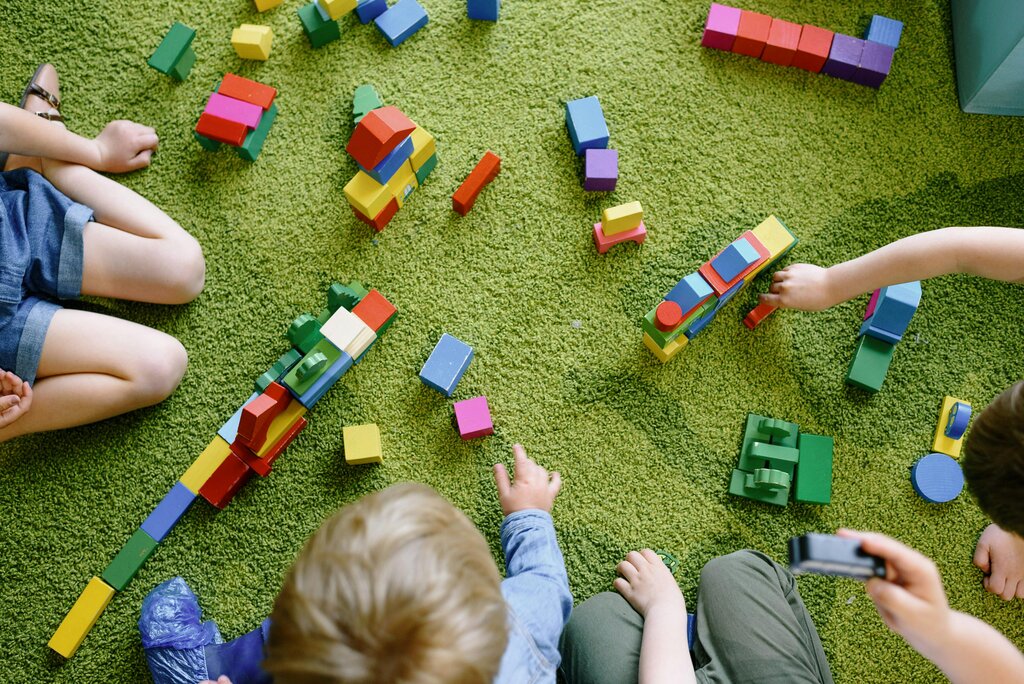
Think about a set of wooden blocks. With them, a child can explore geometry, balance, and gravity. A tub of water with cups and funnels becomes a lesson in volume and fluid dynamics. Art supplies like clay and paint allow for experiments with color mixing, texture, and states of matter. The key is that these toys don't have a single, prescribed way to be used. They invite creativity and problem-solving.
The best tools for learning don't have a right or wrong answer. They simply create an opportunity to ask, 'What if?'
Creating a Space to Explore
A child's environment plays a huge role in their scientific development. A supportive learning environment isn't about having the latest gadgets. It’s about creating a safe space—both physically and emotionally—where curiosity is encouraged and questions are welcomed.
This means allowing for a bit of mess. Science can be untidy. It means responding to the endless stream of "why" questions not with annoyance, but with more questions, like "What do you think?" This simple shift turns a one-way transfer of information into a collaborative investigation. It shows a child that their ideas have value and that the process of discovery is more important than having the right answer immediately.
Start by creating a safe and stimulating environment for your child to explore.
Ultimately, fostering a young scientist is about nurturing their natural sense of wonder. It's less about teaching facts and more about encouraging a way of thinking. By championing their curiosity and providing simple tools for exploration, we help them build a foundation for a lifetime of learning and discovery.
According to the text, what is the foundation of a child's scientific thinking?
The text describes play as a child's "serious work." What primary function does play serve in their scientific development?