Children's Book Subscription Box
Understanding Child Development
The Growing Reader
Children aren't just small adults. Their brains and social skills are constantly evolving, and these changes dramatically affect how they interact with the world, including how they read. Understanding these developmental stages is key to picking books that will truly resonate.
Cognitive Development
noun
The growth of a child’s ability to think and reason. It includes processes like memory, problem-solving, and decision-making.
We can think about development in a few key areas: cognitive, social, and emotional. Cognitively, a child is learning how to process information. Socially and emotionally, they're figuring out who they are and how to relate to others. Let's walk through the major stages.
Infants and Toddlers (0-3 years)
For the youngest children, the world is a sensory experience. They learn by touching, tasting, seeing, and hearing. Their cognitive development is focused on the immediate environment. A major milestone here is object permanence—the understanding that things still exist even when they can't be seen.
Emotionally, this is a time of forming strong attachments to caregivers. Trust and security are paramount. Their social world is small, centered on family.
At this age, books are toys. They need to be durable, colorful, and tactile. The story is less important than the experience of turning a page, pointing at a picture, or even chewing on the cover.
Their reading interests reflect these realities. They love board books with simple, high-contrast images of faces, animals, and familiar objects. Repetitive, rhyming text is comforting and helps with early language acquisition. Interactive books with flaps to lift or textures to touch are perfect for their sensory learning style.
Preschoolers (3-5 years)
The preschool years are marked by an explosion of imagination and language. Cognitively, children at this stage are still very concrete in their thinking. They often see the world from their own perspective and believe that inanimate objects can have feelings. This is the age of magical thinking.
Socially, they are beginning to play with other children, learning to share and take turns. Emotionally, they are starting to identify their own feelings and develop empathy, though they still need a lot of help navigating big emotions like frustration or jealousy.
The goal is to peek interest and to cultivate a love of reading from the onset.
This developmental stage makes them prime candidates for stories with clear plots, simple conflicts, and satisfying resolutions. They love books about making friends, learning new skills (like potty training), and navigating first experiences like going to school. Fantasy, silly characters, and talking animals are big hits, tapping into their blossoming imaginations.
School-Age Children (6-12 years)
Once children enter school, their cognitive abilities take a leap forward. They begin to think more logically and can understand cause and effect. They can follow more complex plots and grasp abstract concepts like justice and fairness. Their memory improves, allowing them to remember details from previous chapters.
Their social world expands significantly. Friendships become central, and they start to understand social hierarchies and group dynamics. They are developing a stronger sense of self and are interested in their own abilities and achievements.
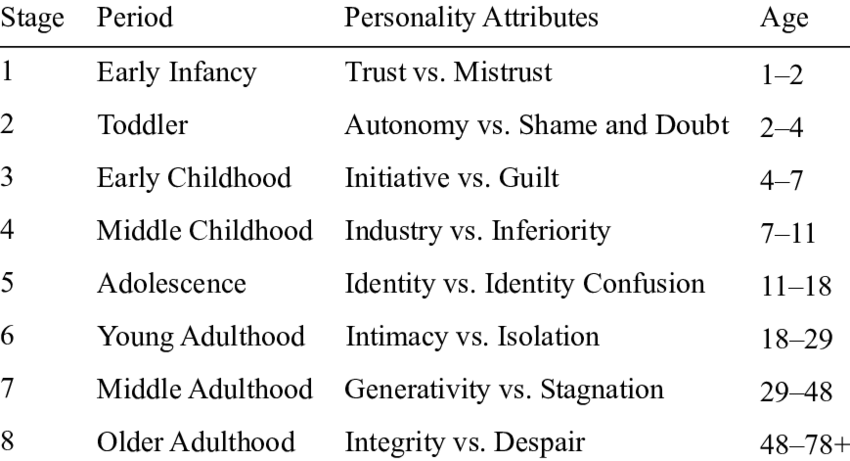
Reading interests branch out. Early chapter books and series become popular, as they offer a sense of mastery and a chance to revisit familiar characters. Kids this age enjoy stories about school, friendships, and adventure. Non-fiction also becomes appealing, as they develop hobbies and want to learn facts about everything from dinosaurs to outer space. They are also ready for stories that explore more complex emotions and moral dilemmas, as long as they are presented in an age-appropriate way.
Adolescents (13+ years)
Adolescence brings the ability to think abstractly and hypothetically. Teens can grapple with complex themes like identity, morality, and social justice. They can understand satire, metaphor, and other sophisticated literary devices.
This is a period of intense social and emotional growth, focused on figuring out who they are and where they fit in the world. Peer relationships are incredibly important, and they are often exploring their own identity separate from their family. They feel things deeply and are drawn to stories that reflect their own emotional intensity.
Teens want to see themselves in books. They are looking for authentic voices and stories that tackle the real challenges and questions they face.
Their reading tastes become highly diverse and personal. Many are drawn to young adult (YA) fiction that explores themes of identity, first love, social issues, and dystopian futures. They can appreciate complex characters with flaws and intricate, non-linear plots. Non-fiction about history, science, and current events also finds an audience, as teens seek to understand the wider world and their place in it.
Time to see what you've learned. This quiz will test your knowledge of how a child's developmental stage influences their reading habits.
A parent is looking for a book for their 7-year-old child who has just started reading independently. Based on their developmental stage, which type of book would be most appropriate?
The concept of "object permanence" is a key cognitive milestone for the youngest children. How does this relate to their experience with books?
By meeting children where they are—cognitively, socially, and emotionally—we can provide them with reading experiences that are not just educational, but also deeply engaging and meaningful.