Children's Book Illustration with Pencil and Watercolor
Introduction to Children's Book Illustration
Pictures Tell the Story
In a children's book, illustrations do more than just decorate the page. They are a vital part of the narrative, often telling as much of the story as the words themselves. For the youngest readers who can't yet decipher text, the pictures are the story. They set the tone, reveal a character's feelings, and build the world the story lives in.
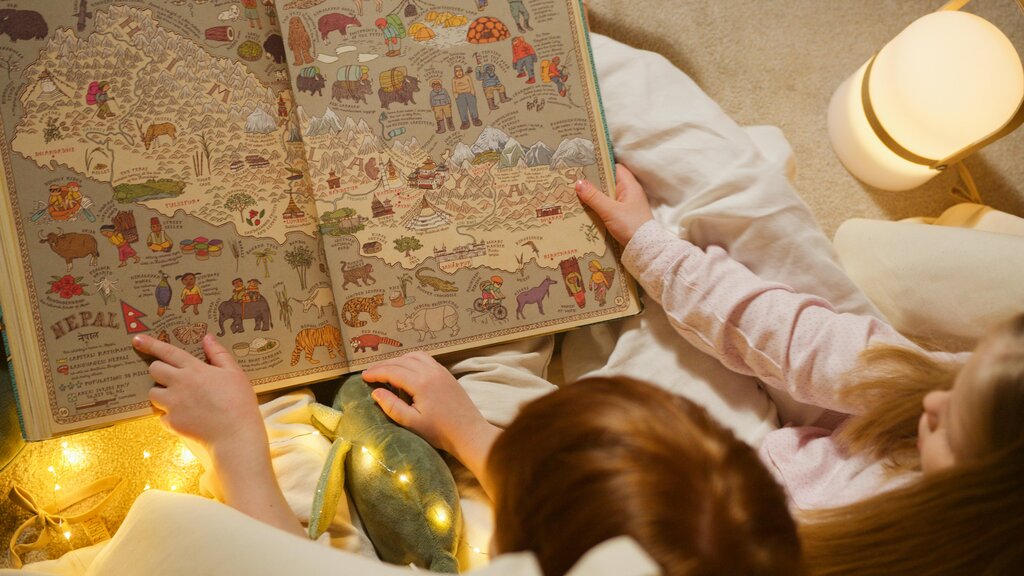
In picture books, illustrations drive the story.
An illustration can show the mischievous glint in a fox's eye or the vast, lonely landscape a character must cross. It works hand-in-hand with the text to create a complete emotional experience. The goal is to create images that not only capture attention but also deepen the reader's connection to the narrative and its characters.
Know Your Reader
Who are you drawing for? An illustration that delights a seven-year-old might confuse a toddler. Understanding the developmental stage of your audience is key to creating effective illustrations.
Children’s books are often categorized by age groups, and each group has different expectations, language requirements, and developmental stages.
Different age groups process visual information differently. For babies and toddlers, high-contrast images and simple, recognizable shapes are best. Preschoolers enjoy vibrant colors and expressive characters that clearly show emotion and action. As children get older, they can appreciate more detailed and complex scenes that add extra layers to the story.
| Age Group | Focus of Illustrations |
|---|---|
| 0-2 years (Board Books) | Simple shapes, bold lines, high contrast, recognizable objects. |
| 3-5 years (Picture Books) | Clear actions, expressive characters, vibrant and engaging scenes. |
| 6-8 years (Early Readers) | More detail, sequence of events, visual clues that support the text. |
Styles and Mediums
There is no single "right" way to illustrate a children's book. Styles can range from whimsical and cartoonish to stylized and painterly. The chosen style should match the story's tone. A funny, lighthearted story might call for a cartoon style, while a classic fairytale might feel more at home with soft, detailed paintings.
The medium you use is a big part of your style. Many illustrators work digitally, but traditional mediums remain incredibly popular for their unique textures and warmth. Let's look at two of the most common starting points: pencil and watercolor.
Pencil is perfect for sketching out ideas and creating foundational drawings. It allows for control and detail, from soft, smudgy shading to crisp, clean lines. Many final illustrations begin as simple pencil sketches to establish the composition and character poses.
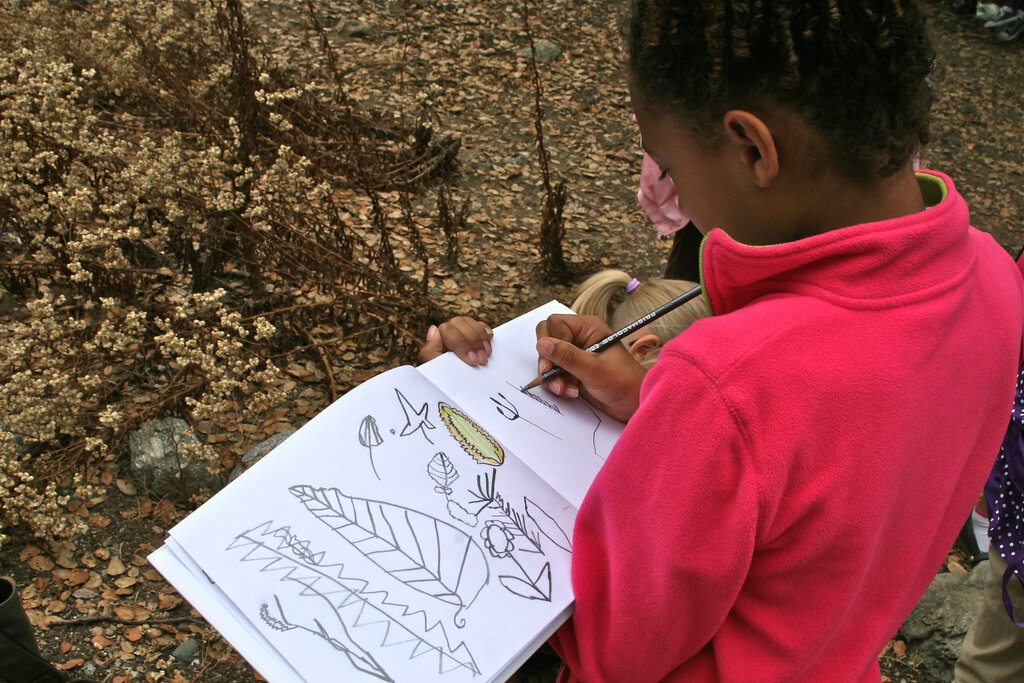
Watercolor is another favorite in children's literature for its soft, luminous quality. It can create a dreamy and gentle feel, which is perfect for many types of stories. Learning to control the flow of water and pigment is a fundamental skill. Watercolors can be used for light washes of color or built up in layers for more depth and vibrancy.
Watercolor illustrations give children’s books a dreamy and surreal effect.
Often, illustrators combine these techniques. A detailed pencil drawing might be overlaid with soft watercolor washes. This hybrid approach leverages the strength of both mediums: the precision of line work and the expressive beauty of paint.
Time to test your knowledge.
What is the primary role of illustrations in a children's book, according to the text?
According to the text, the choice of illustration style should primarily be guided by the story's tone.
This foundation in storytelling, audience awareness, and basic techniques is the first step. Next, you'll learn how to develop those initial ideas into memorable characters.