Child Safeguarding Essentials
Introduction to Child Safeguarding
What is Child Safeguarding?
Child safeguarding is the proactive effort to protect children from all forms of harm, abuse, neglect, and exploitation. It’s not just about reacting to problems after they occur; it's about creating environments where children can thrive safely.
Think of it as building a fence at the top of a cliff, rather than placing an ambulance at the bottom. The goal is to prevent harm before it has a chance to happen. This involves being aware of risks, promoting children's well-being, and ensuring that anyone who works with or around children is suitable for that role.
Safeguarding
verb
The action of protecting someone or something from harm or damage.
Safeguarding applies everywhere children are present: at home, in schools, at sports clubs, in community centers, and online. It's a universal responsibility.
Why It Matters
Children are inherently vulnerable. They rely on adults to protect them, guide them, and advocate for their needs. When that trust is broken, the impact can be devastating and last a lifetime. Harm in childhood can affect a person's mental and physical health, their ability to form relationships, and their overall future.
A safe environment is essential for healthy development. It allows children the freedom to learn, play, and grow without fear. When children feel secure, they are more likely to be confident, resilient, and able to reach their full potential.
Every child has the right to grow up in a safe and nurturing environment, free from harm and fear.
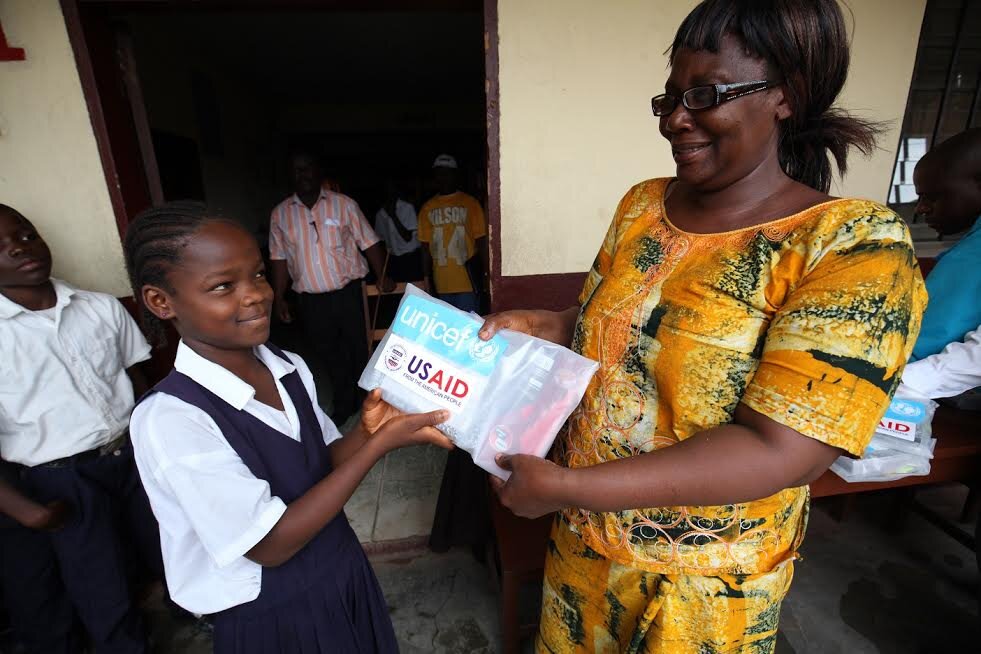
Everyone Has a Role
Child safeguarding is a collective responsibility. It requires the active participation of everyone in a child's life, from immediate family to the broader community. No single person or group can do it alone.
Individuals and organizations both have critical duties. While a parent's role is different from a school's, both are essential pieces of the same protective network.
| Group | Key Responsibilities |
|---|---|
| Individuals | Provide a safe home environment, be aware of risks, and listen to children's concerns. |
| Organizations | Implement clear safeguarding policies, conduct background checks, and provide training. |
| Communities | Promote a culture of safety and awareness, and support families and children. |
Organizations that work with children, like schools or youth clubs, have a formal duty of care. This means they must take active steps to keep children safe. This often includes creating a child safeguarding policy, appointing a dedicated safeguarding lead, and establishing clear procedures for staff and volunteers to follow.

Now that you have a foundational understanding of what safeguarding is and why it's so important, let's check your knowledge.
The text uses the analogy of "building a fence at the top of a cliff, rather than placing an ambulance at the bottom." What does this analogy best illustrate about child safeguarding?
Where does the responsibility for child safeguarding apply?
Understanding these core principles is the first step in creating a safer world for children. It’s a shared duty that makes a profound difference.