Child Mental Health Assessment and Counseling for Social Workers
Introduction to Child Mental Health
What Is Child Mental Health?
Child mental health is more than just the absence of a disorder. It’s a child's ability to learn, enjoy life, build healthy relationships, and bounce back from challenges. Think of it as the foundation for a child's overall development, shaping how they experience the world, manage emotions, and interact with others.
Just like physical health, mental health exists on a spectrum. All children have good days and bad days. It's normal for a child to feel sad, angry, or worried sometimes. These feelings become a concern when they persist, disrupt daily life, and prevent a child from reaching important developmental milestones.
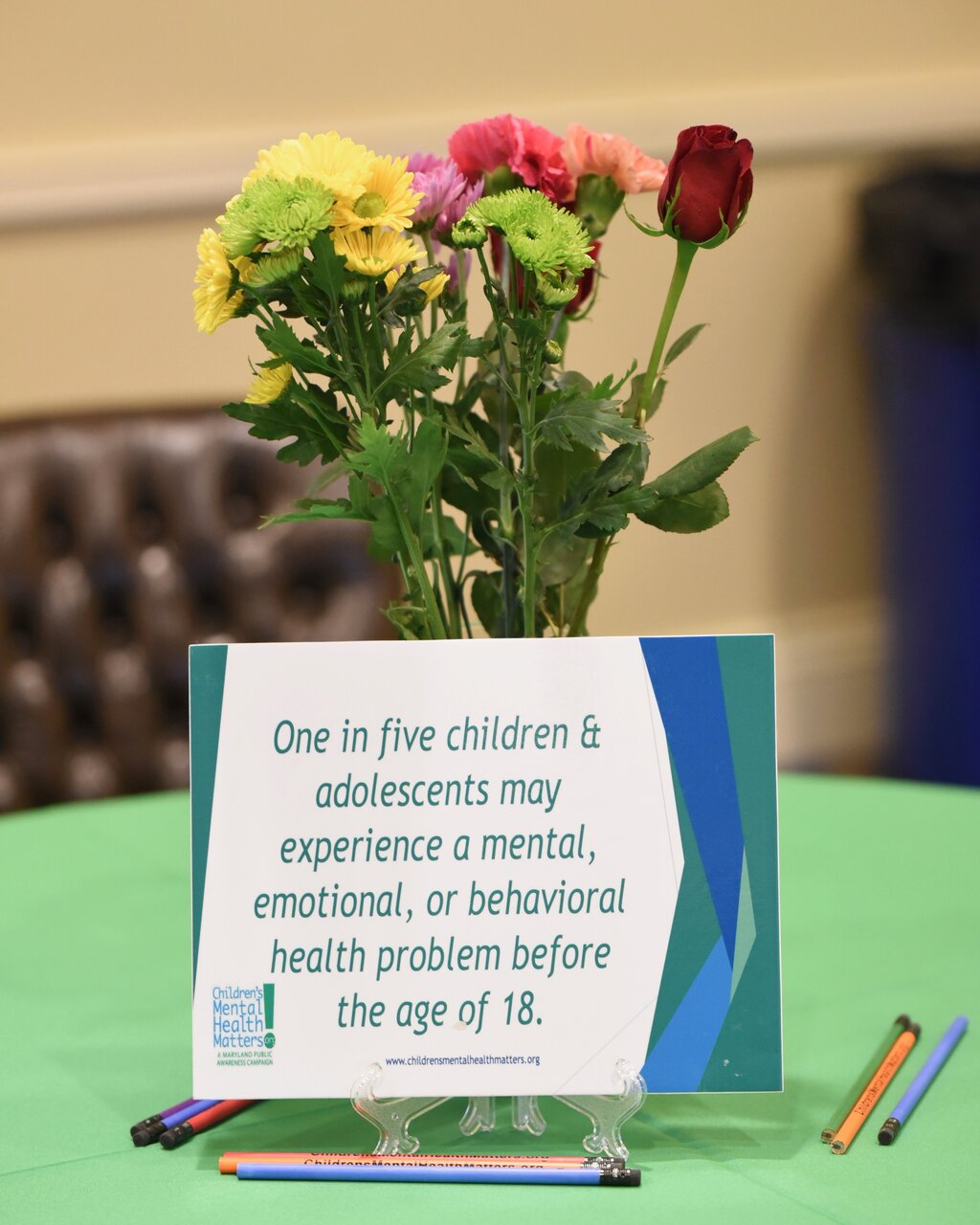
A child's mental well-being is a key ingredient for their future success and happiness. When children are mentally healthy, they are better equipped to handle life's ups and downs, succeed in school, and form positive connections with family and friends.
Familiarise yourself with typical developmental milestones to set realistic expectations, which can alleviate stress and help you focus on supporting your child's unique journey.
Developmental Milestones
Developmental milestones are skills most children can do by a certain age. They include physical abilities like walking, social skills like sharing, and cognitive skills like learning the alphabet. These milestones are not a rigid checklist, but they offer a general guide to a child's progress.
milestone
noun
A significant stage or event in the development of something.
Observing these milestones helps us understand if a child's development is on track. When a child's mental health is struggling, it can delay or disrupt their ability to reach these key markers. For example, a child with severe anxiety might struggle to make friends (a social milestone) or participate in class (a cognitive milestone). This interplay between mental health and development is crucial.
Common Challenges
Several mental health conditions can appear during childhood. Recognizing their signs is the first step toward getting a child the support they need. These aren't just phases or bad behavior; they are real health issues that require attention and care.
Here are a few common disorders found in children:
| Disorder | Key Characteristics |
|---|---|
| Anxiety Disorders | Persistent fears, worries, or shyness that interfere with school, home, or play. This can include separation anxiety or specific phobias. |
| ADHD | Difficulty with attention, hyperactivity, and impulse control. A child might struggle to sit still, follow directions, or stay organized. |
| Depression | Ongoing sadness, irritability, and loss of interest in activities. May also involve changes in sleep, appetite, or energy levels. |
| Conduct Disorder | A pattern of behavior that violates the rights of others or major societal norms. This can include aggression, destruction of property, or deceitfulness. |
It's important to remember that only a qualified professional can diagnose a mental health disorder. These descriptions are simply to provide a general understanding.
The Ripple Effect
A child's mental health doesn't exist in a vacuum. It has a profound impact on every aspect of their life, from their grades at school to their relationships with family. Untreated mental health issues can lead to long-term difficulties, including poor academic performance, social isolation, and an increased risk for substance use later in life.
Conversely, supporting a child's mental well-being creates positive ripples. A child who feels secure and understood is more likely to be engaged in learning, form strong friendships, and contribute positively to their family. This foundational support is what allows them to grow into resilient and capable adults.
Now, let's check your understanding of these core ideas.
Which statement best defines child mental health?
Child mental health exists on a spectrum, and it's normal for all children to have good and bad days.
Understanding these fundamentals of child mental health is the first step in recognizing when a child might need help and knowing how that support can shape their entire life.