Child Labor in 18th Century Dannemora Mines
Introduction to 18th Century Swedish Mining
The Age of Iron
In the 18th century, Sweden was a European powerhouse, and its strength was forged in iron. The nation's vast mineral wealth, particularly its high-quality iron ore, was the engine of its economy and the foundation of its military might. This wasn't just about digging rocks out of the ground; it was about supplying the raw material for the cannons, swords, and tools that defined the era.
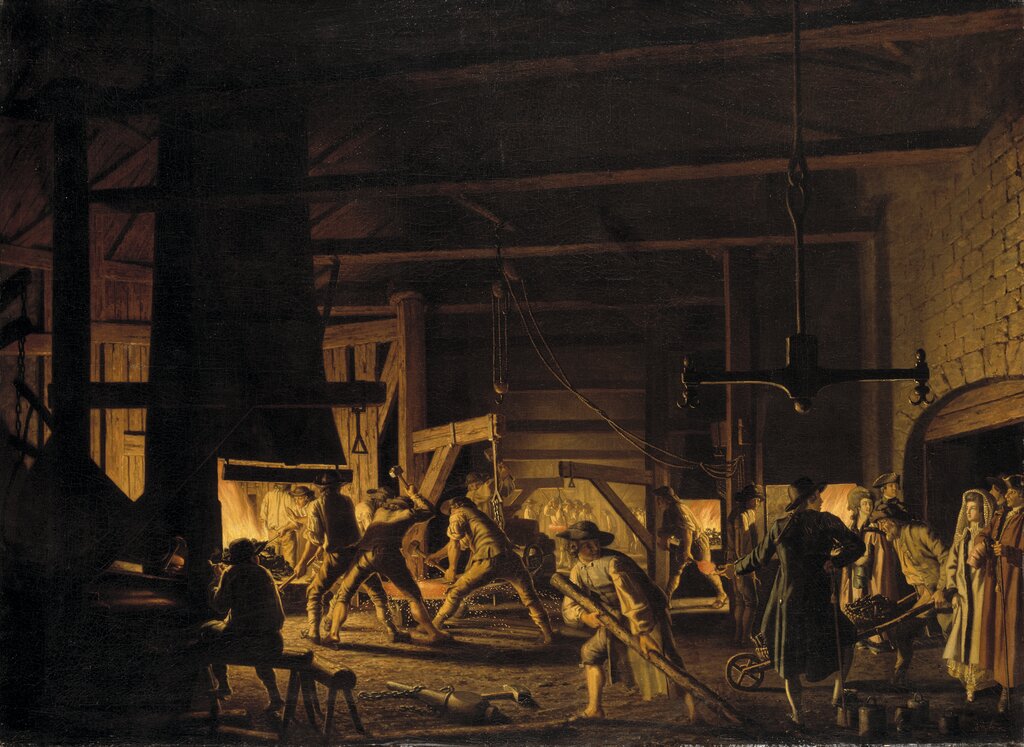
Swedish iron was prized across the continent. While copper had been a major export in the previous century, by the 1700s, iron ore was king. The process was immense, requiring not just miners but also vast forests for charcoal, powerful water wheels to pump out the mines, and a network of foundries and forges to turn the ore into usable metal.
The Dannemora Mines
At the heart of this industry were the Dannemora mines, located in Uppland, north of Stockholm. They were legendary. The iron ore extracted from Dannemora was exceptionally pure, with very low levels of phosphorus and sulfur. This made it perfect for producing blister steel, the highest quality steel available at the time.
This high-grade product, known as "oregrounds iron," was in high demand, especially by England's burgeoning steel industry in places like Sheffield.
The mines themselves were massive, open pits, plunging deep into the earth. For centuries, they were the most important iron ore mines in Sweden, and their output directly influenced the European arms race and the early stages of the Industrial Revolution. Owning a share in Dannemora was a ticket to immense wealth.
A Foundation of Wealth
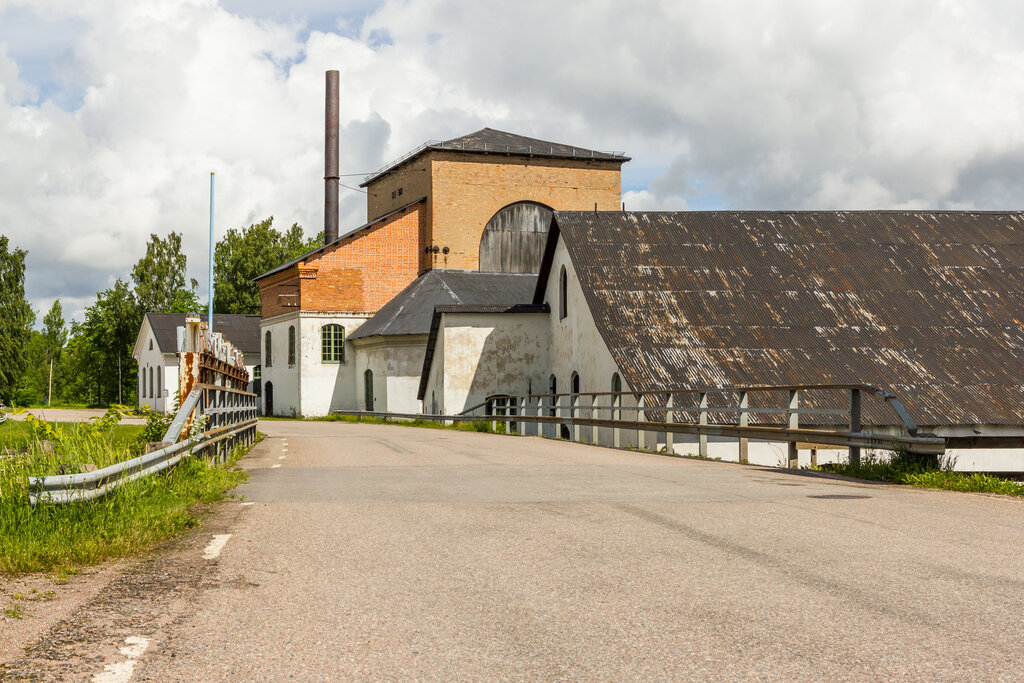
The economic impact was profound. Iron exports were Sweden’s largest source of income, funding the state and enriching a class of wealthy industrialists and aristocrats. Entire communities, known as bruk, sprang up around the ironworks. These were more than just factories; they were self-contained villages with housing, a church, and a manor house for the owner.
This system created a clear social structure. At the top were the wealthy owners of the ironworks. Below them were various craftsmen, and at the bottom was the large workforce of miners and laborers. The wealth generated by the mines didn't just stay in Sweden—it connected the remote Swedish forests and mines to the wider world economy, making the nation a key player in international trade.
Let's check your understanding of Sweden's 18th-century mining industry.
What was the most important mineral driving Sweden's economy and military strength in the 18th century?
The iron ore from the Dannemora mines was particularly valued because of its:
This thriving industry, built on the unique quality of its ore, set the stage for Sweden's development. But this national prosperity depended entirely on the grueling labor performed deep within the mines.