Chief of Protocol Handbook
Introduction to Protocol
What Is Protocol?
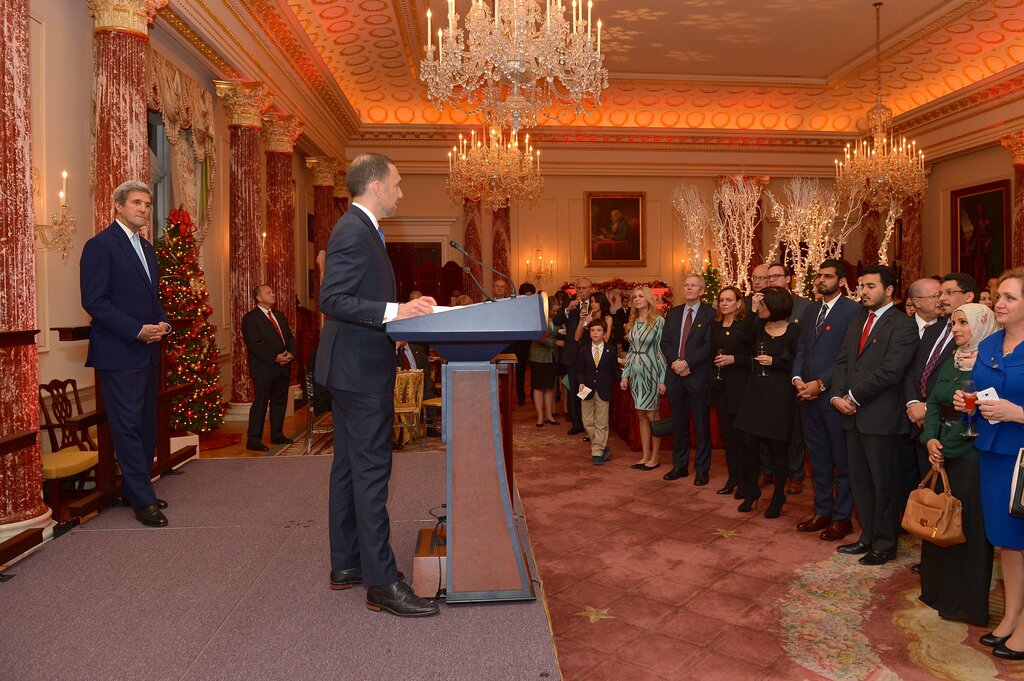
In international relations, protocol is the set of rules and customs that guide how countries and their representatives interact. Think of it as the official etiquette of diplomacy. It's not just about being polite; it’s a shared language of respect and procedure that allows for smooth, predictable, and effective communication between nations.
Protocol ensures that interactions are handled with the proper degree of formality and respect, regardless of the size or power of the countries involved.
These rules cover everything from the proper way to address an ambassador to the seating arrangement at a state dinner, and even the order in which flags are flown. Following protocol signals respect and serious intent. Ignoring it can cause misunderstandings or even international incidents. It creates a stable framework where diplomacy can happen, minimizing friction and focusing attention on the substantive issues at hand.
A Brief History
The idea of diplomatic etiquette is ancient. Early empires sent emissaries to one another, and these interactions were governed by established customs to ensure the messengers' safety and the clarity of their communications. For centuries, these practices were largely informal and varied widely between cultures.
Modern diplomatic protocol began to take shape in Europe. A major turning point was the Congress of Vienna in 1815. After years of war, European powers met to reorganize the continent. To avoid disputes over status and precedence, which could derail negotiations, they established a formal, standardized system of diplomatic ranks and rules. This created a common ground for international relations.
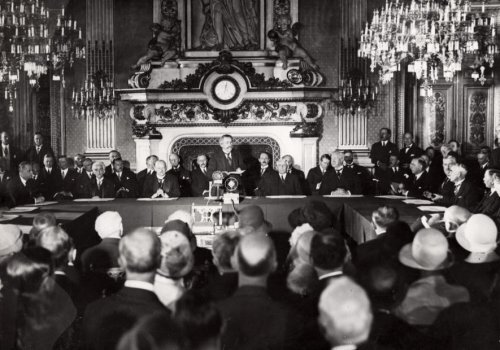
These principles were further refined over time, culminating in the 1961 Vienna Convention on Diplomatic Relations. This treaty, now accepted by nearly every country in the world, codifies the rules of protocol and the privileges and immunities of diplomatic missions. It is the bedrock of modern diplomacy.
Core Principles
Diplomatic protocol is built on several foundational principles that ensure fairness and order in the international system. These ideas guide how states conduct themselves on the world stage.
Sovereignty
noun
The principle that each state has supreme authority over its own territory and is independent of external control.
One of the most important principles is the sovereign equality of states. In the eyes of protocol, all states are equal, regardless of their size, wealth, or military power. A small island nation's ambassador is treated with the same respect and given the same courtesies as the ambassador from a global superpower. This ensures that every nation has a voice.
Another key principle is reciprocity. This means that states treat each other as they are treated. If one country extends a particular courtesy or privilege to another's diplomats, it expects the same treatment in return. Reciprocity creates a powerful incentive for all countries to adhere to the rules, as failing to do so could result in their own representatives being treated poorly.
Finally, protocol establishes a clear order of precedence. This is the system of ranking that determines seniority among diplomats. For example, ambassadors are ranked according to the date they presented their credentials to the host country. This rule eliminates potential arguments over who gets priority at official functions and ensures a clear, predictable order.
By providing a common set of rules, protocol serves as the essential lubricant for the machinery of international relations. It builds trust, prevents conflict over minor issues, and allows diplomats to focus on the critical work of negotiation and cooperation.
What is the primary function of diplomatic protocol in international relations?
Which historical event was a major turning point for creating a formal, standardized system of diplomatic ranks and rules in Europe?
These foundational concepts are what allow the complex web of global interactions to function on a daily basis.