Chicken Breeding Basics
Chicken Breeds
Not All Chickens Are Alike
When you picture a chicken, a specific image might come to mind. But in reality, there's a huge variety of chicken breeds, each developed over time for different reasons. Just like dog breeds, chicken breeds have unique temperaments, appearances, and, most importantly, purposes. Some are fantastic egg-layers, while others are prized for their meat. Some try to do a bit of both.
The foundation of successful poultry farming begins with selecting the right breed for your specific purpose.
Understanding these differences is the first step in choosing the right flock for your goals. Whether you're looking for a steady supply of fresh eggs for your kitchen, raising birds for meat, or want a self-sufficient backyard flock, there’s a breed that’s right for you.
Bred for Eggs
If your main goal is a basket full of fresh eggs, you'll want to look at breeds known as layers. These chickens are the egg-laying champions of the poultry world. They are typically smaller, lighter birds that don't eat as much as larger breeds. This makes them very efficient, as they convert their feed into eggs rather than building a large, muscular body.
Leghorns are a classic example. They are prolific layers of white eggs and are one of the most popular commercial breeds. Other great layers include the Rhode Island Red, which lays brown eggs, and the Ameraucana, famous for its blue-shelled eggs.
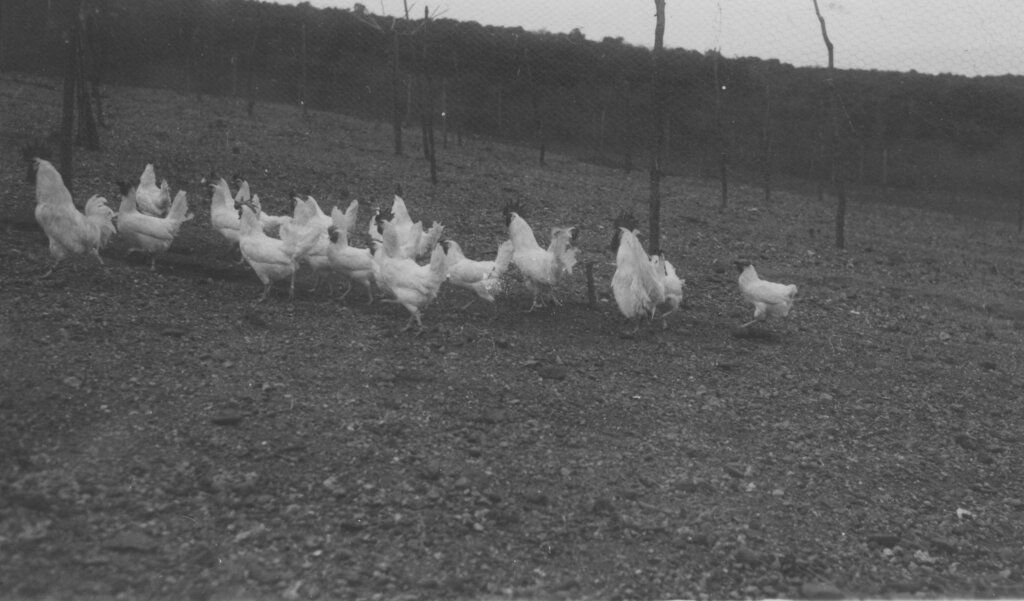
While these birds are egg-laying powerhouses, they generally aren’t the best choice for meat. Their lean frames mean there isn't much to them once they've finished their laying cycle.
Built for Meat
On the other end of the spectrum are meat breeds, often called "broilers." These birds have been selectively bred for rapid growth and a large, stocky build. They are designed to reach a substantial size in just a few weeks.
The most common meat chicken is the Cornish Cross, a hybrid developed specifically for commercial meat production. They grow incredibly fast and develop large pectoral muscles, which is the breast meat. Because they put all their energy into growth, they are not active foragers and are typically kept in controlled environments.
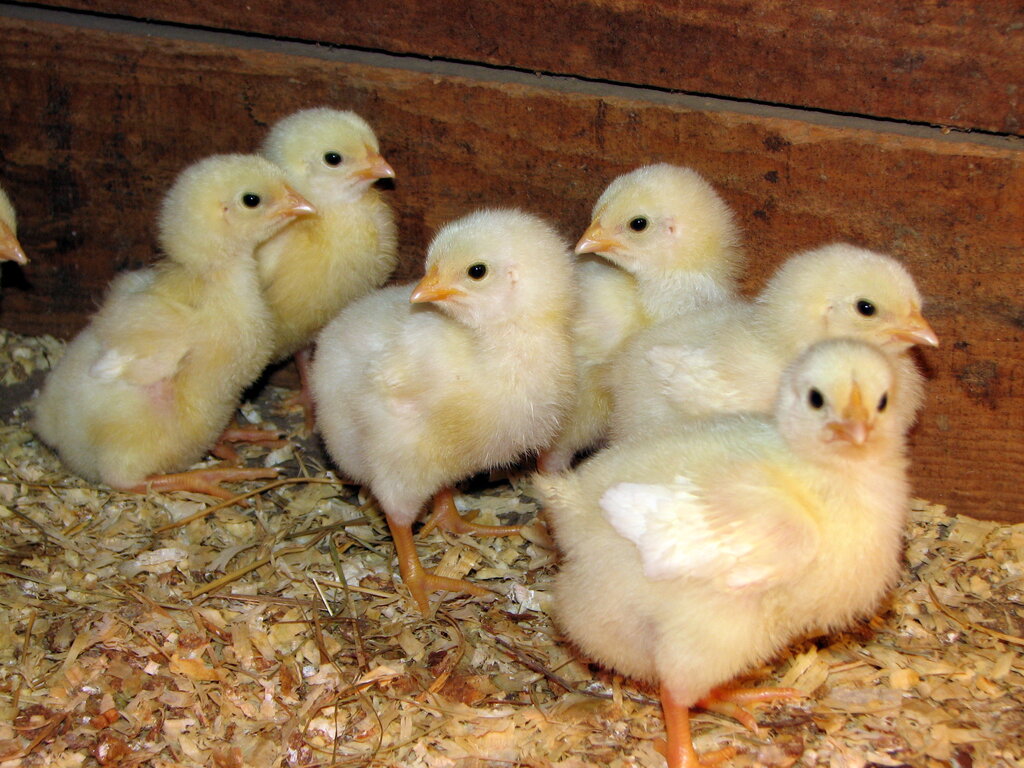
Their focus on rapid growth means they aren't suited for long-term egg laying. They are a specialized breed for a single purpose: efficient meat production.
The Best of Both Worlds
For many small-scale farmers and backyard chicken keepers, dual-purpose breeds offer the perfect compromise. These chickens provide a respectable number of eggs each year and also grow large enough to be a good source of meat. They are often hardier and more self-sufficient than specialized breeds.
Dual-purpose breeds tend to be excellent foragers, happy to scratch around for insects and plants, which can supplement their diet. They are the traditional homestead chicken, valued for their versatility.
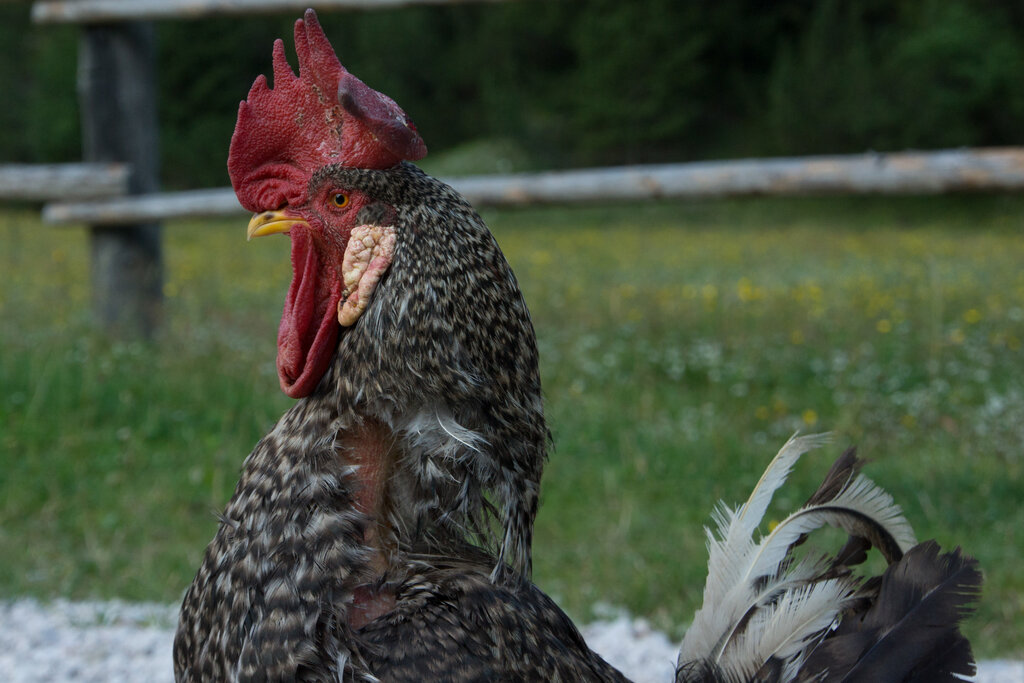
Popular dual-purpose breeds include the Plymouth Rock, Wyandotte, Orpington, and Sussex. They won't lay as many eggs as a Leghorn or grow as fast as a Cornish Cross, but they provide a sustainable balance of both.
Choosing the Right Breed
So, how do you decide? The first question to ask is what you primarily want from your chickens: eggs, meat, or both. Your answer will immediately narrow down the options.
Beyond that, consider your climate. Some breeds are more cold-hardy, like the Wyandotte with its thick feathers and small comb, while others, like the Leghorn, are better suited to heat. Also think about temperament. If you have children, you might want a calm, friendly breed like the Orpington. Finally, consider your space. Active foragers need more room to roam, while some breeds are content in smaller enclosures.
Thinking about your goals, climate, and space will help you select a breed that thrives in your care and meets your needs.
Let's review some key terms before you test your knowledge.
Ready to see what you've learned about chicken breeds?
What is the primary characteristic of chicken breeds referred to as "layers"?
A backyard chicken keeper wants a self-sufficient flock that provides a good number of eggs but can also be used for meat. Which type of breed best suits their needs?
Choosing the right breed is a foundational decision that shapes your entire experience with raising chickens. By matching a breed's characteristics to your goals, you set yourself up for a productive and rewarding venture.